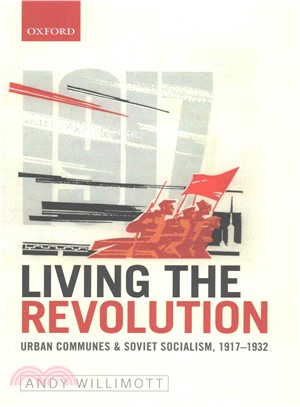
Living the Revolution offers insight into the world of the early Soviet activists. At the heart of this book are a cast of fiery-eyed, bed-headed youths determined to be the change they wanted to see
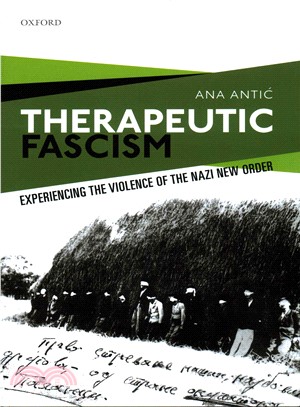
During World War Two, death and violence permeated all aspects of the everyday lives of ordinary people in Eastern Europe. Throughout the region, the realities of mass murder and incarceration meant t
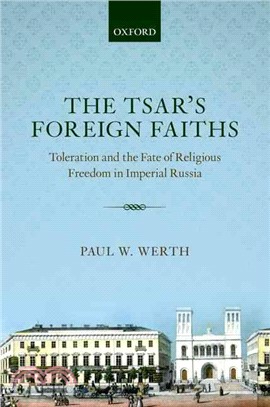
The Russian Empire presented itself to its subjects and the world as an Orthodox state, a patron and defender of Eastern Christianity. Yet the tsarist regime also lauded itself for granting religious
Diplomacy has never been a politically-neutral research field, even when it was confined to merely reconstructing the backgrounds of wars and revolutions. In the nineteenth century, diplomacy was inte
The birth of the Greek nation in 1830 was a pivotal event in modern European history and in the history of nation-building in general. As the first internationally recognized state to appear on the ma
Across Europe the late nineteenth century marked a period of rapid economic change, increased migration, religious conflict, and inter-state competition. In Germany, these developments were further ac
"After Empires describes how the end of colonial empires and the changes in international politics and economies after decolonization affected the European integration process. Until now, studies on E
The Turkish Republic was formed out of immense bloodshed and carnage. During the decade leading up to the end of the Ottoman Empire and the ascendancy of Mustafa Kemal Ataturk, virtually every town an
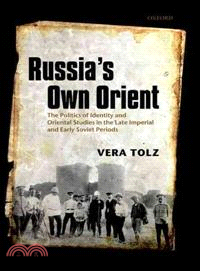
Russia's own Orient examines how intellectuals in early twentieth-century Russia offered a new and radical critique of the ways in which Oriental cultures were understood at the time. Out of the ferme