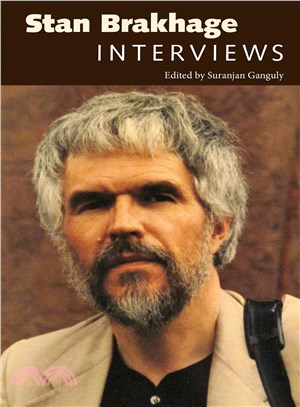
A new collection of interviews, including eleven original interviews from the first edition and nine new interviews, with the most popular director in American cinema history
Collected interviews with the director of such iconic films as Anticipation of the Night, Dog Star Man, Scenes from Under Childhood, Mothlight, and Text of Light
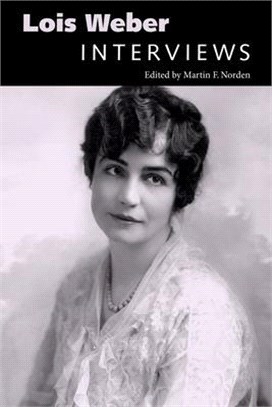
Lois Weber (1879-1939) was one of early Hollywood's most successful screenwriter-directors. A one-time Church Army worker who preached from street corners, Weber began working in the American film ind
Lois Weber (1879-1939) was one of early Hollywood's most successful screenwriter-directors. A one-time Church Army worker who preached from street corners, Weber began working in the American film ind
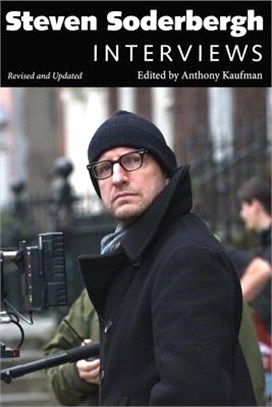
The long and prolific career of Steven Soderbergh (b. 1963) defies easy categorization. From his breakout beginnings in 1989 with sex, lies, and videotape to 2013, when he retired from big-screen movi
Jeffrey Jacob "J. J." Abrams (b. 1966) decided to be a filmmaker at the age of eight after his grandfather took him on the back-lot tour of Universal Studios. Throughout his career, Abrams has dedicat
Jeffrey Jacob "J. J." Abrams (b. 1966) decided to be a filmmaker at the age of eight after his grandfather took him on the back-lot tour of Universal Studios. Throughout his career, Abrams has dedicat
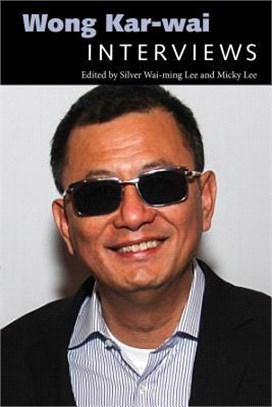
Fans and critics alike perceive Wong Kar-wai (b. 1958) as an enigma. His dark glasses, his nonlinear narrations, and his high expectations for actors all contribute to an assumption that he only makes
David O. Russell (b. 1958) boasts a diverse body of work as a writer and director, spanning multiple genres and featuring radically differing aesthetic styles. While his early work comically explored
David O. Russell (b. 1958) boasts a diverse body of work as a writer and director, spanning multiple genres and featuring radically differing aesthetic styles. While his early work comically explored
American filmmaker John Cassavetes (1929-1989) made only nine independent films during a quarter century, but those films affected the cinema culture of the 1960s to the 1980s in unprecedented ways. W
After a robust career in the Netherlands as the country's most successful director, Paul Verhoeven (b. 1938) built an impressive career in the United States with such controversial blockbusters as Rob
Margarethe von Trotta (b. 1942) entered the film industry in the only way she could in the 1960s—as an actress. Throughout her career, von Trotta added thirty-two acting credits to her name; however,
Blake Edwards (1922–2010) was a multitalented, versatile director constantly exploring who he was, not only in filmmaking but also in life. Often typecast as a comedy director, he also created western
Though he has made only five films in two decades—Strictly Ballroom, William Shakespeare’s Romeo + Juliet, and the Oscar-nominated films Moulin Rouge!, Australia, and The Great Gatsby—Australian write
Fans and critics alike perceive Wong Kar-wai (b. 1958) as an enigma. His dark glasses, his nonlinear narrations, and his high expectations for actors all contribute to an assumption that he only makes
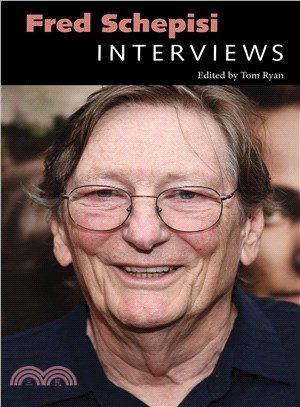
In the New Yorker, Stephen Schiff has described Fred Schepisi (b. 1939) as “probably the least-known great director working in the mainstream American cinema—a master storyteller with a serenely muscu
In this volume, editor Suranjan Ganguly collects eight of Stan Brakhage’s most important interviews in which the filmmaker describes his conceptual frameworks; his theories of vision and sound; the im
Martin Scorsese (b. 1942) has long been considered one of America’s greatest cinematic storytellers. Over the last fifty years he has created some of the most iconic moments in American film, never af