P.S. Allens edition of the correspondence of Erasmus, published in twelve volumes between 1906 and 1958, initiated a new epoch in the study of both Renaissance humanism and the Reformation.
This festschrift for the eminent historian of ideas, Marcia Colish, reflects both the breadth of her interests and the profound scholarship of her work. The editors, Nederman (political science, Texas
John Gower wrote at the same time as Chaucer, whom he knew, and on many of the same subjects. Although well known and respected in his time and after, he has often been relegated to a paragraph in Cha
In an earlier biography, Blythe (U. of Memphis) traces the life and writings of Italian student of Thomas Aquinas and eventually bishop of Torcello, Tolomeo (ca.1236-ca.1327), and here offers a compan
This lovely volume presents a group of 11 articles and case studies describing the multiple meanings and uses of liturgical texts from the Carolingian period into the twelfth century. Notable is the f
Uncertainty is often assumed to be a modern condition, says Flanagan (history, U. of Adelaide, Australia), and contrasted with confident Victorian values or with the faith of earlier periods. But she
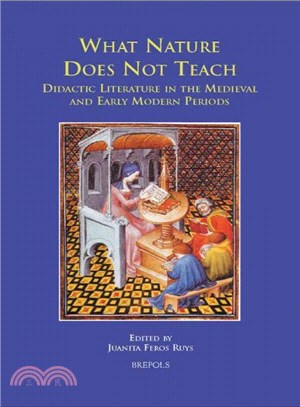
All literature is written with the intent of imparting understanding. However, some are more openly didactic, from books of manners to travel guides to how rulers should conduct themselves. Ruys (Cent
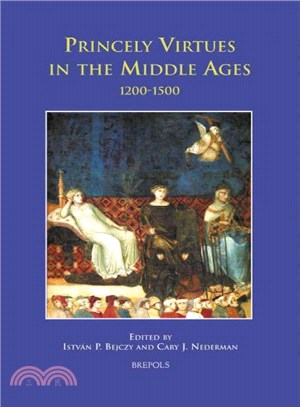
An international group of scholars examines the concept of the "good ruler" through the late Middle Ages. Bejczy, recently in the history department of the University of Nijmegen and Niederman (politi
Taliadoros (history, Monash U.) finds the roots of Vacarius to be in his legal works, which both inform and locate his theological topics ranging from Christology to heresy and the sacramental matters
The series takes its name from the journal, and continues its goal of publishing interdisciplinary scholarship on the intellectual culture and history of Europe from the end of the classical Roman age
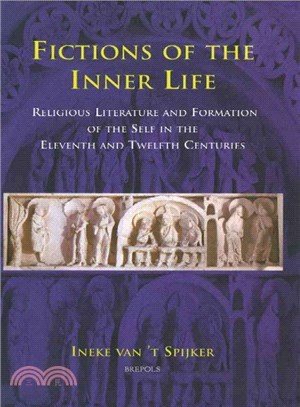
Van 't Spijker (U. of Cambridge) focuses on the work of Peter Damian, Hugh of Saint-Victor, Richard of Saint-Victor, and William of Saint-Thierry to explore how the theme of self-knowledge manifested
Northwestern University Press is pleased to announce the release of a new volume in its journal addressing late medieval culture (ca. 1300-1550). Discourses of Power: Grammar and Rhetoric in the Middl