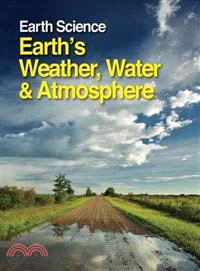
Designed for lower-level undergraduate or high school students, these two volumes provide three to six pages of entries on 125 subjects ranging from acid rain and deposition to the Yellow River. Each
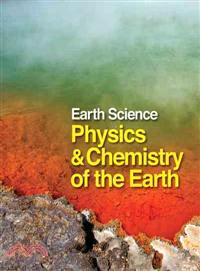
Intended for high school and undergraduate students, this two-volume set is one of four related sets (the others: Earth's Surface and History, Earth Materials and Resources, and Earth's Weather, Water
For high school and college students, and their instructors, this two-volume set presents 150 signed essays, arranged alphabetically. Each essay occupies about four pages and is structured with a brie
Introduces fossils, describing what they are, the different kinds, how they are formed, where they can be found, what they teach about the origins of life on Earth, and how scientists determine their
Introduces glaciers, describing what they are, where they can be found, what causes them, their parts, how they move, different kinds, and their effects on the Earth.
Introduces fault lines, describing the the layers in the Earth, tectonic plates and how their movements can cause earthquakes, different types of faults, and how knowing about faults can help people p
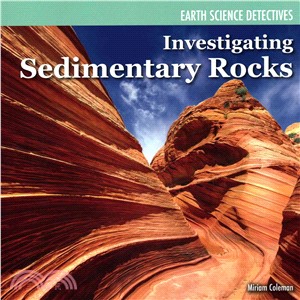
Introduces sedimentary rocks, describing the three types, what they are, their formation, identifying them, fossils, and different layers and what they reveal about Earth's history.
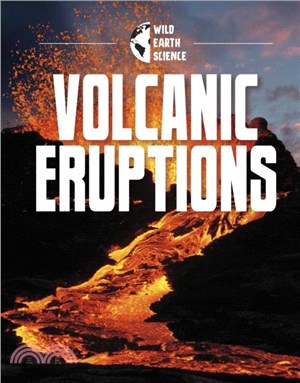
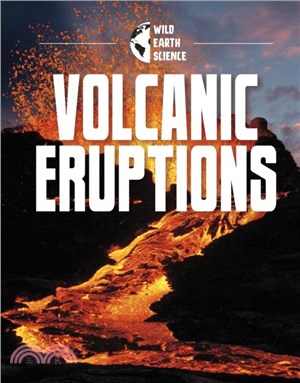
Earth’s mighty volcanoes offer more than a spectacular show when they explode. They’re also clues about what happens deep inside Earth’s surface. The text presents essential science concepts, such as
One of the most influential works by a world authority on soils and their formation. This advanced treatise on theoretical soil science, long considered a masterpiece of scientific methodology offers
This book takes readers on a dive to explore the amazing underwater habitats and landforms of Earth’s oceans. Readers will take a journey from the deepest part of the ocean—the Mariana Trench—to the M
The history of Earth can be explored through the sediments that cover its lands and the layers they’ve formed over time. How did they get there in the first place? The answer is erosion. Readers will
Fossils give us a glimpse into the past. Readers will enjoy learning about different kinds of fossils, how they form, and where they can be found. From the bones left by huge mastodons to the imprints
Do you know what a group of islands is called? It’s an archipelago! This book explores islands in all their forms, with a focus on Next Generation Science Standards. Readers learn how islands and arch
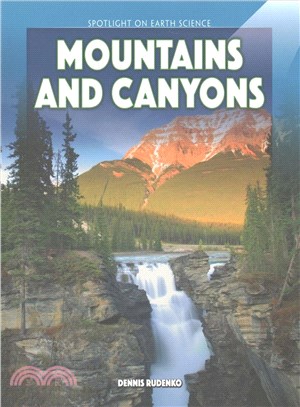
Mountains and canyons are some of the most breathtaking landforms on Earth. This book explores the earth science concepts behind the formation of mountains and canyons, and the ways in which they shap
Earth’s surface is broken up into numerous big pieces called plates. Believe it or not, these plates are constantly on the move. This book explores the exciting earth science topic of plate tectonics.
Volcanic eruptions happen both over land and underwater. This book introduces readers to the science behind volcanoes. How do they form? Why do they erupt? What are the consequences of a volcanic erup
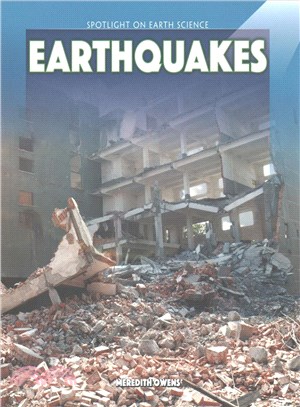
Earthquakes are incredible forces of nature. They shake the ground and topple buildings and bridges. They can even cause other natural disasters such as tsunamis. This book takes an in-depth look at t