In memoirs, Arab writers have invoked solitude in moments of deep public involvement. Focusing on Taha Hussein, Sonallah Ibrahim, Assia Djebar, Latifa al-Zayyat, Mahmoud Darwish, Mourid Barghouti, Edw
Six years before the Egyptian revolution of January 2011, many young Egyptians had resorted to blogging as a means of self-expression and literary creativity. This resulted in the emergence of a new l
In this novel and pioneering study Maya I. Kesrouany explores the move from Qur'anic to secular approaches to literature in early 20th-century Egyptian literary translations, asking what we can learn
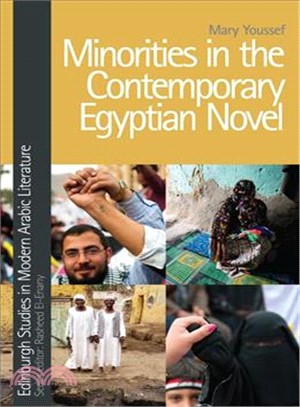
During colonial times the Egyptian novel invoked a sovereign nation-state and basked in its perceived unity. After independence the novel began to profess disenchantment with state practices and unequ
Conspiracy theory in the Arab World has come to be associated with the rhetoric of Islamist extremists and authoritarian regimes. Yet its principle tropes - omnipotent secret societies, impending apoc
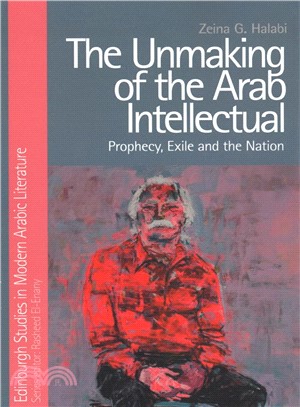
In this book Zeina G. Halabi examines the figure of the intellectual as prophet, national icon, and exile in contemporary Arabic literature and film. Staging a comparative dialogue with writers and cr
The late President of Egypt, Gamal Abdel Nasser (1918-1970), has been represented in many major works of Egyptian literature and film, and continues to have a presence in everyday life and discourse i
In memoirs, Arab writers have invoked solitude in moments of deep public involvement. Focusing on Taha Hussein, Sonallah Ibrahim, Assia Djebar, Latifa al-Zayyat, Mahmoud Darwish, Mourid Barghouti, Edw
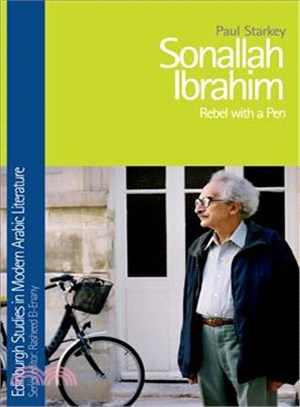
This book provides an introduction not only to the works of Sun'Allah Ibrahim, but also, more generally, to the modern literature of Egypt (and elsewhere in the Arab world) over a 40-year period, in i
The depiction of Arab intellectuals in literature has transformed from their 19th-century representation as promoters of aesthetic modernism and emancipation ideologies to the current questioning of s
The late President of Egypt, Gamal Abdel Nasser (1918-1970), has been represented in many major works of Egyptian literature and film, and continues to have a presence in everyday life and discourse i
Sonallah Ibrahim is one of the most important Arabic novelists of the modern era, with an unrivalled reputation for independence and integrity among contemporary Egyptian writers. Here, each of the au
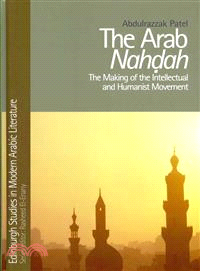
Explores the influences that triggered the Arabic awakening, the 'nahdah', from the 1700s onwards. To understand today's Arab thinking, you need to go back to the beginnings of modernity: the nahdah o
Sufi characters -- saints, dervishes, wanderers -- occur regularly in modern Arabic literature. A select group of novelists interrogates Sufism as a system of thought and language. In the work of writ
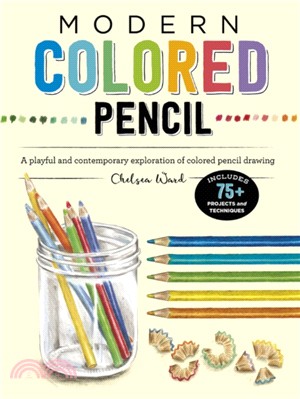
Learn to use colored pencils and watercolor pencils to create vibrant, exciting works of art!Modern Colored Pencil delves into all the basic techniques and concepts required to create fresh, colorful
Modern Acrylic delivers the simple concepts and painting techniques you’ll need to create exciting and expressive works of art. With Modern Acrylic, artists, illustrators, art students, and art
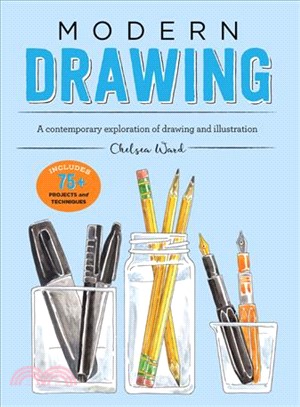
The Modern series from Walter Foster Publishing offers a fun, fresh approach to working with traditional art media. This isn’t a dry instruction manual; it’s a contemporary guide filled wi
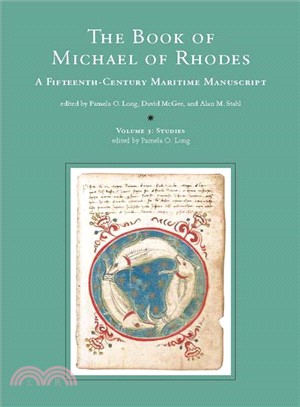
Essays explore the world of Michael of Rhodes, examining the historical context, thediscovery of his manuscript, and Michael's knowledge of mathematics, shipbuilding, navigation, andother topics.
In recent decades crime fiction has enjoyed a creative boom. The genre has acquired a global reach, illuminating different corners of the world and spreading through the use of various cultural media.