瀏覽紀錄
TOP
企業採購
登入
會員專區
購物車
0
通知
0
紅利兌換
客服中心
領券專區
藝文講座
學習平台
0
0
全部
商品名稱
ISBN
作者
出版社/品牌
促銷活動
書展
叢書
系列
標籤
代碼
商品代碼
商品館分類
繁體書
簡體書
外文書
電子書
港版書
文具選物
紅利兌換
GO
進階搜尋
熱搜:
115上學期參考書
、
開學季推薦
、
Bluey盒書
、
小學生國語辭典
、
紅樓夢心理學(上冊)
、
絕對超級大雨傘
、
最新綜合六法全書
、
新基本小六法
、
2027年故宮大月曆
、
東野圭吾
暢銷榜
新品
推薦
中文
外文
簡體
三民東大
電子書
親子
文具選物
漫畫
教科考用
NEW
紅利積點抵現金,消費購書更貼心
165反詐騙
💡 邁向小一的第一步!給孩子一本「查得到自信」的專屬辭典,輕鬆跨越閱讀關卡!🚀
篩選商品
關閉
縮小範圍
關鍵字
商品名稱
作者
出版社/品牌
包含
排除
篩選商品
商品類型
外文書
(1)
商品狀態
可訂購
(1)
無庫存
(1)
商品定價
$200~$399
(1)
出版日期
2017年以前
(1)
裝訂方式
平裝
(1)
出版社/品牌
Compass Point Books
(1)
作者
Darlene R. Stille/ Farhana Hossain (ILT)
(1)
搜尋結果
/
Exploring Science: Earth Science
篩選
系列:Exploring Science...
顯示
並排
列表
排序
相關性(高→低)
相關性(低→高)
出版日(新→舊)
出版日(舊→新)
定價(高→低)
定價(低→高)
共
1
筆
第
1
/ 1
頁
滿額折
1.
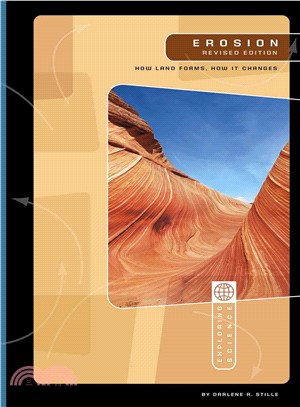
Erosion ─ How Land Forms, How It Changes
出版日:
2016/08/01
作者:
Darlene R. Stille
;
Farhana Hossain (ILT)
出版社:
Compass Point Books
裝訂:
平裝
Describes the process of erosion, including how the power of wind, water, and glaciers have changed the Earth's surface. Includes information on fossils.
優惠價:
79
301
無庫存
共
1
筆
第
1
頁
暢銷榜
客服中心
收藏
瀏覽紀錄
會員專區
加入會員
會員登入
客服中心
領券專區
首頁
網站導航
暢銷榜
新品
中文書
外文書
簡體書
三民東大
親子館
文具禮品
漫畫館
教科考用
政府出版
香港出版
大學出版
得獎作品
套書
紅利兌換
加價構
主題書展
三民書局
關於我們
門市專區
藝文講座
學習平台
異業合作
圖書採購/編目
人才招募
禮券兌換處
瀏覽器資訊
三民網路書店服務
會員服務條款
資訊安全警語
隱私權政策
新手購書
圖書分類
中國圖書館分類
空中大學購書
好站連結
企業會員專區
加入企業會員
服務條款
會員須知
圖書目錄下載
三民・東大・弘雅三民
小山丘童書(0-6歲)
兒童・青少年(7歲以上)
古籍圖書目錄
古典圖書目錄
畢業禮品