Space missions take years to plan. But they also take years to execute, so special robots are used to study deep space instead of astronauts. Pluto is so far away, the New Horizons probe took 10 years
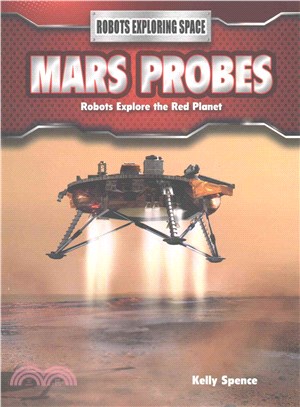
In 1976, Viking 1 became the first spacecraft from Earth to land on Mars. For the first time, scientists were able to see the surface of the red planet. Since then, NASA and other space organizations
Scientists first started talking about sending a robot to orbit Saturn in the 1980s. However, it wasn’t until 1997 that the Cassini Probe launched. Readers learn not only about how the probe was built
What’s the difference between an asteroid and a planet? Scientists struggled with this question for many years with regard to Ceres. Today, it’s called a “dwarf planet” and because of the Dawn Probe,
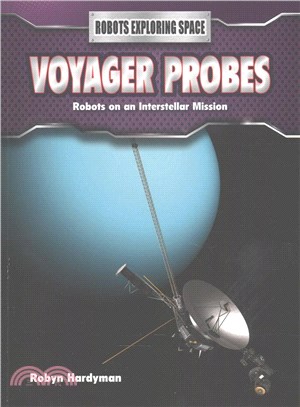
NASA has now sent a robot beyond our solar system, and another is on its way. Through detailed, fascinating main content and sidebars, readers learn about the process of creating the technology for th
It fell from the sky as it re-entered Earth's atmosphere. The Columbia space shuttle is a sight that will never be forgotten. What caused this national tragedy? How did it change the future of space f
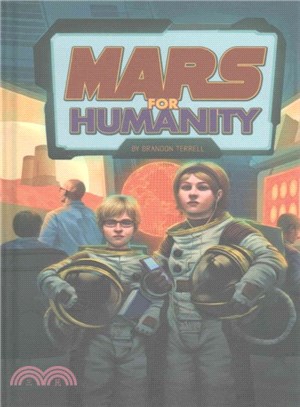
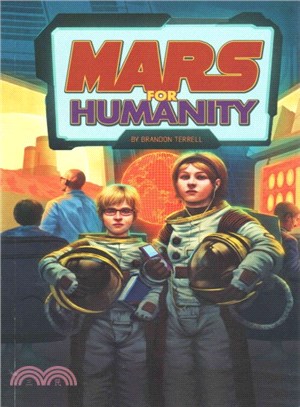
Eleven-year-old twins Lila and Max are leaving Earth to reunite with their parents on Mars. It's nearly fifty years in the future, and the Earth is dying. The damages caused by global warming are too
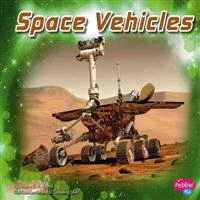
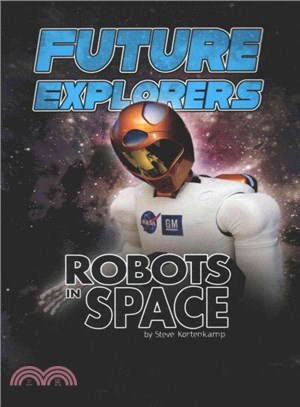
There's no air in space. But robots don't care! Learn more about how these mechanical robonauts can help us understand more about the solar system in which we live.
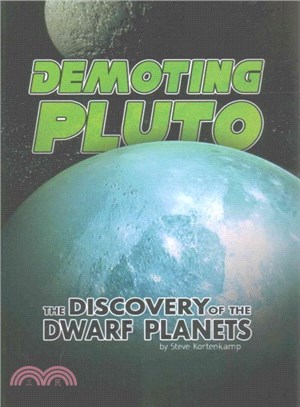
When is a planet not a planet? Dwarf planets orbit the sun, are solid bodies, and are not moons. But they are not considered regular planets. Learn more about these spherical oddities and why Pluto is
Eleven-year-old twins Lila and Max are leaving Earth to reunite with their parents on Mars. It's nearly fifty years in the future, and the Earth is dying. The damages caused by global warming are too
With reflective clouds, Venus appears to be the brightest planet in the night sky. Young students will read about the discovery of Venus, its harsh environment, and the ways it has been explored.
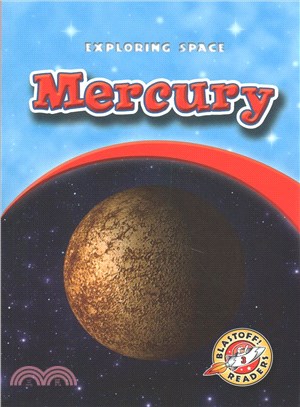
The planet Mercury has highs around 800 °F and lows around -280 °F. Students will learn about Mercury’s discovery, physical characteristics, and the environment that supports these extreme temperature
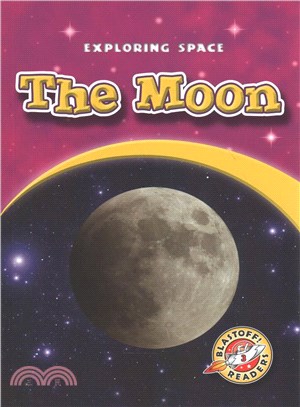
The moon is the largest object in the night sky. Young readers will learn about the moon’s phases, surface, and how humans have explored our closest space neighbor.
The sun radiates light, heat, and energy at the center of the solar system. Eager students will explore how the sun works and its relationship to Earth and the other planets.
Jupiter is the largest planet in the solar system. It is known for its giant spinning storm called the Great Red Spot. Young students will learn all about Jupiter’s discovery, storms, moons, and how t
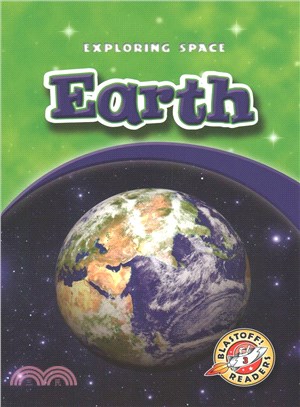
Earth is the only planet in the solar system known to support life. Children will explore our home’s water, atmosphere, and the diverse land features that make Earth a beautiful place to live!
The planet Uranus has a bright blue-green color because of methane gas in its atmosphere. Young children will learn about the discovery of Uranus, how it has been explored, and why it is tilted on its
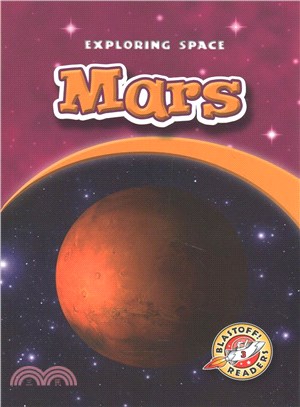
Mars is known as the red, rocky planet. It has many volcanoes, including the solar system’s largest one. Eager readers will learn about the physical features of Mars and its place in the solar system.
Neptune is the farthest planet from the sun. It takes 165 Earth years to complete a single orbit! Young students will learn about the discovery of Neptune, its moons, and the information gathered by V
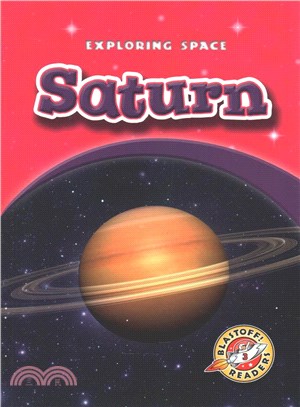
Saturn has the largest and most complex ring system of any planet in the solar system. Young learners will read about Saturn’s discovery, its physical traits, and how the sixth planet in the solar sys
Space shuttles bring astronauts into and out of space. Children will learn about the history of space shuttles, the advanced technology aboard, and how these vehicles perform their missions.
Astronauts live and work on space stations that orbit Earth. Young readers will read about space station parts, the first space stations, and the International Space Station.
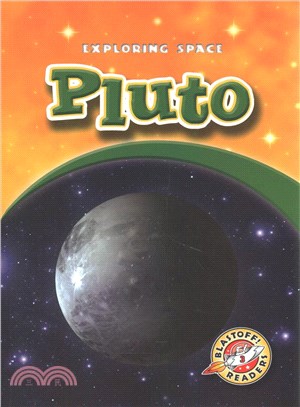
Pluto is a dwarf planet with three known moons—Hydra, Nix, and Charon. Children will explore Pluto’s physical features, its position in the solar system, and why it is no longer considered a planet.
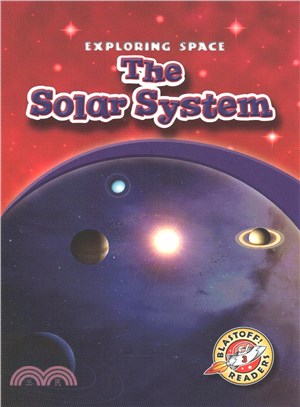
The solar system is made up of planets, moons, asteroids, comets, meteoroids, and more. Young readers will learn about the bodies that make up the solar system and how they interact with each other.
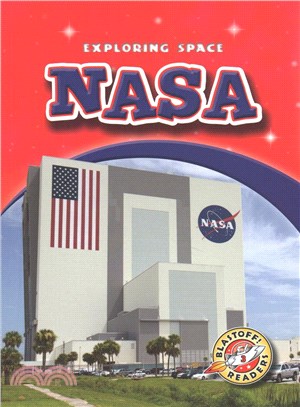
The United States accelerated the space race in 1958 by forming NASA. Eager readers will learn about the history of NASA and its many manned and unmanned missions.
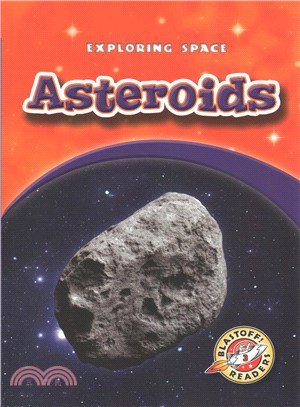
There are millions of asteroids in the solar system. They range in size from less than 1 mile to 584 miles across! Students will discover how asteroids form, where they are located in the solar system
People must go through difficult training to become astronauts. Kids will learn how astronauts prepare for life in space, complete their missions, and survive above the atmosphere.
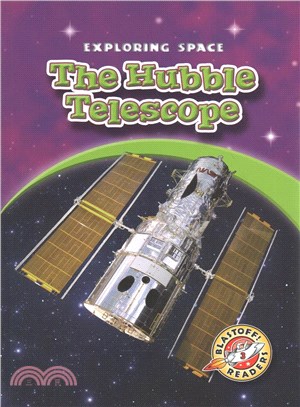
The Hubble Telescope travels at 17,500 miles per hour to capture fascinating images of space. Young learners will read about the creation of the Hubble Telescope and the ways we use it to learn more a