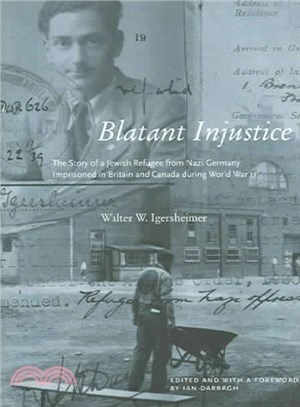
George Reinitz was twelve years old when he and his family were taken from Szikszó, Hungary, and deported to Auschwitz, where many of his family members were killed. He experienced the horrors of
In 1951, Alvin Cramer Segal, at the age of eighteen and without a formal education, started working in the factory of his stepfather’s company in Montreal. Today he is the chairman and chief executive
Whether they live alone or together, in a hive or in a hole in the ground, bees do some of the most important work on the planet: pollinating plants.What’s the Buzz? celebrates the magic of bees—from
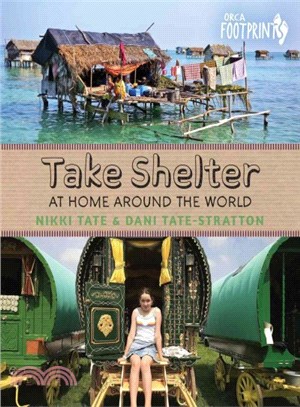
A roof, a door, some windows, a floor. All houses have them, but not all houses are alike. Some have wings (airplane homes), some have wheels (Romany vardoes), some float; some are made of straw, some
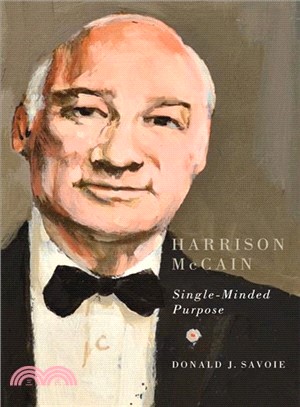
The only rival to Harrison McCain’s entrepreneurial success was his deep attachment to his Maritime roots. From McCain’s beginnings in Florenceville, New Brunswick, the early mentorship he received fr
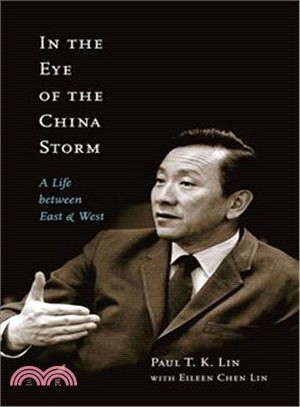
"Born in Vancouver in 1920 to immigrant parents, Lin became a passionate advocate for China while attending university in the United States. With the establishment of the People's Republic, and growin
Georges and Pauline Vanier follows their lives and travels across the world - from Canadian military life to the League of Nations, from the inner circles of British government to their harrowing esca
Picture a busy avenue. Now plant trees along the boulevard, paint a mural by the empty lot, and add a community garden. Set up benches along the sidewalks and make space for kids' chalk drawings, and
We're all connected to the ocean, and the ocean to us. The ocean provides half the oxygen we breathe; it feeds us, creates our weather and provides us with water. But we haven't been as kind to the oc
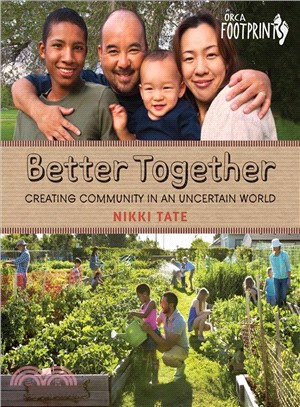
Better Together explores how people gather in groups of all kinds to fulfill the basic human need for companionship. From the smallest units of parents, siblings and friends to global organizations th
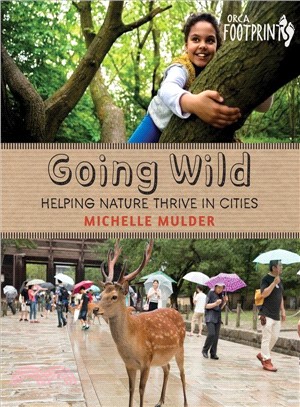
Going wild. We don't see it as a good thing. And why would we? For most of our time on earth, humanity has been running from lions and other wilderness dangers. We've worked hard to make our local lan
The Indian Removal Act of 1830 marks a dark time in American history regarding the new country's relationship with the Native American population. The Act called for the "voluntary or forcible removal
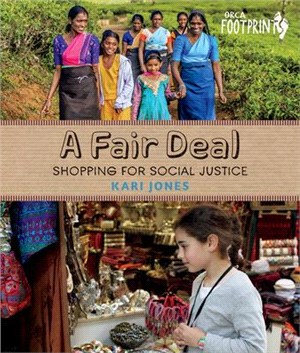
Fair trade is not about spending more money or buying more stuff. It's about bringing justice to people around the world. In A Fair Deal: Shopping for Social Justice, Kari Jones provides a history of
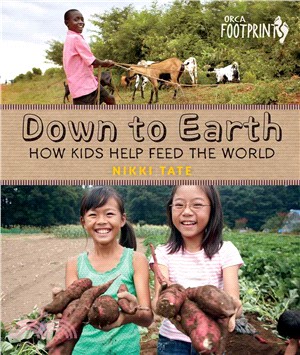
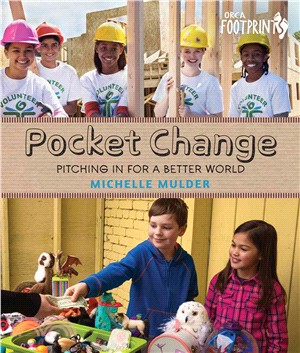
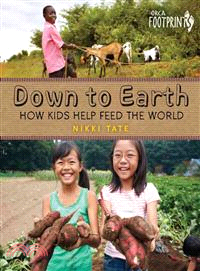
Kids all over the world help collect seeds, weed gardens, milk goats and herd ducks. From a balcony garden with pots of lettuce to a farm with hundreds of cows, kids can pitch in to bring the best and
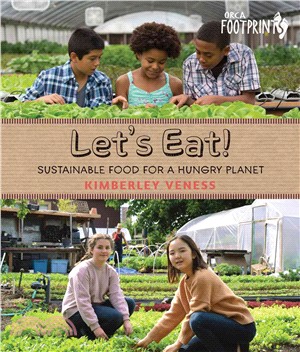
All the food you eat, whether it's an apple or a steak or a chocolate-coated cricket, has a story. Le's Eat uncovers the secret lives of our groceries, exploring alternative—and sometimes bizarre—farm
Until a few hundred years ago, people were embarrassed to buy bread in a store. Families took pride in making almost everything they owned. These days, many people take pride in buying as much as poss
Once Alabama was admitted as a state of the United States of America on December 4, 1819, a great wave of immigrants from other states and countries came by flat-boats, pack-horses, covered wagons and
Pedal It! celebrates the humble bicycle—from the very first boneshakers to the sleek racing bikes of today, from handlebars to spokes to gear sprockets—and shows you why and how bikes can make the wor
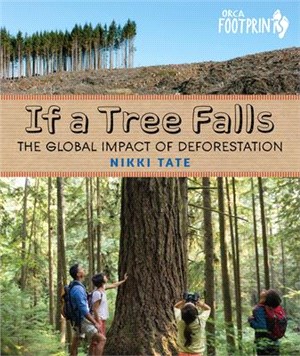
Most of us see trees every day, and too often we take them for granted. Trees provide us with everything from food, fuel and shelter to oxygen and filtered water.Deep Roots celebrates the central role
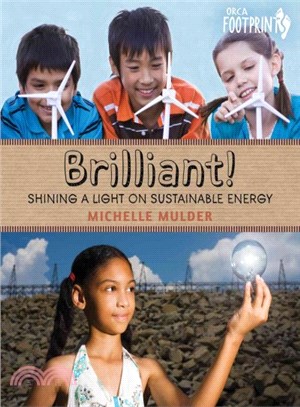
Did you know that cars can run on french-fry grease or that human poop can be used to provide power to classrooms? Kids in Mexico help light up their houses by playing soccer, and in the Philippines,
When independence from Britain was won in 1776, a great westward movement of Americans began. Historians refer to this movement west as the Great Migration. Tough it was only a territory, Alabama's po
Prior to statehood, Alabama was a vast wilderness with a large Native American population. It is only natural that when new immigrants from other states arrived, conflicts over the land would arise. S
They felt the lure of the frontier and struck out for unknown territory that would become Alabama, bringing with them only very few implements to survive. From Tennessee, North Carolina, South Carolin
Before statehood, travelers to the future state of Alabama faced a formidable task as they threaded their way through the vast wilderness down paths of what was then mainly Native American land.Until
From the time of the discovery of America through the time of De Soto's daring expedition, restless, resolute, and adventurous men crossed oceans in pursuit of their destiny.Alabama Footprints - Explo
Did you know that cars can run on french-fry grease or that human poop can be used to provide power to classrooms? Kids in Mexico help light up their houses by playing soccer, and in the Philippines,
Pedal It! celebrates the humble bicycle—from the very first boneshakers to the sleek racing bikes of today, from handlebars to spokes to gear sprockets—and shows you why and how bikes can make the wor
Kids all over the world help collect seeds, weed gardens, milk goats and herd ducks. From a balcony garden with pots of lettuce to a farm with hundreds of cows, kids can pitch in to bring the best and
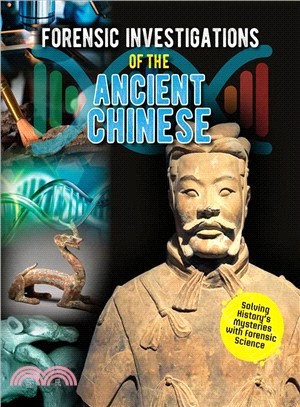
"What can modern DNA analysis of skeletons tell us about the lifestyle, diet, and beliefs of the Maya? How can new mapping t.echnology uncover previously hidden Mayan cities and structures? Can we use
"How can modern forensic tools help solve the mystery of ancient Aztec skull masks? What can we learn about Aztec life from the forensic analysis of their art? Can chemical analysis teach us about how