This volume contains three rhetorical treatises dating probably from the reign of Diocletian (AD 285–312) that provide instruction on how to compose epideictic (display) speeches for a wide variety of
The Loeb Classical Library series Fragmentary Republican Latin continues with oratory, an important element of Roman life from the earliest times, essential to running public affairs and for advancing
The Loeb Classical Library series Fragmentary Republican Latin continues with oratory, an important element of Roman life from the earliest times, essential to running public affairs and for advancing
The Loeb Classical Library series Fragmentary Republican Latin continues with oratory, an important element of Roman life from the earliest times, essential to running public affairs and for advancing
This is the eleventh and final volume in the Loeb Classical Library’s complete edition of Hippocrates’ invaluable texts, which provide essential information about the practice of medicine in antiquity
Hesiod describes himself as a Boeotian shepherd who heard the Muses call upon him to sing about the gods. His exact dates are unknown, but he has often been considered a younger contemporary of Homer.
Hesiod describes himself as a Boeotian shepherd who heard the Muses call upon him to sing about the gods. His exact dates are unknown, but he has often been considered a younger contemporary of Homer.
Quintus Smyrnaeus’ Posthomerica, the only long mythological epic to survive in Greek from the period between Apollonius’ Argonautica (3rd century BC) and Nonnus’ Dionysiaca (5th century AD), fills in
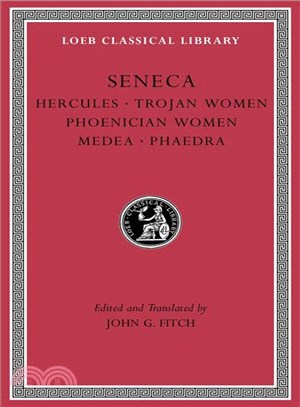
Seneca is a figure of first importance in both Roman politics and literature: a leading adviser to Nero who attempted to restrain the emperor’s megalomania; a prolific moral philosopher; and the autho
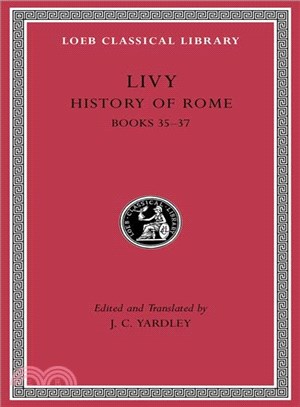
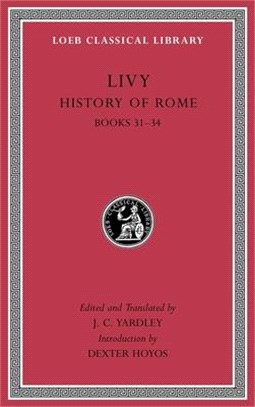
Livy (Titus Livius), the great Roman historian, was born at Patavium (Padua) in 64 or 59 BC, where after years in Rome he died in AD 12 or 17. Livy’s history, composed as the imperial autocracy of Aug
Seneca is a figure of first importance in both Roman politics and literature: a leading adviser to Nero who attempted to restrain the emperor’s megalomania; a prolific moral philosopher; and the autho
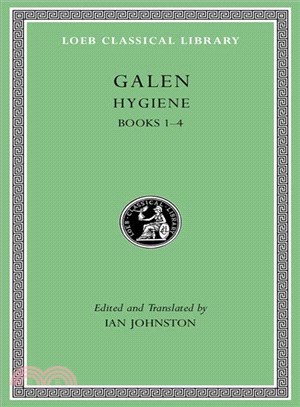
Galen of Pergamum (129–?199/216), physician to the court of the emperor Marcus Aurelius, was a philosopher, scientist, medical historian, theoretician, and practitioner who wrote forcefully and prolif
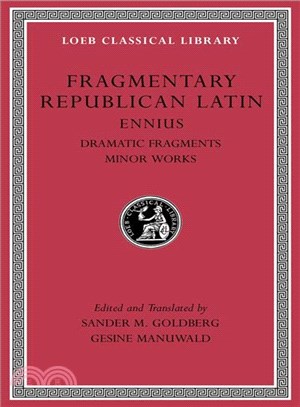
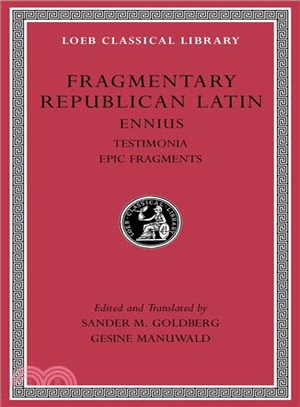
Quintus Ennius (239–169 BC), widely regarded as the father of Roman literature, was instrumental in creating a new Roman literary identity and inspired major developments in Roman religion, social org
Livy (Titus Livius), the great Roman historian, was born at Patavium (Padua) in 64 or 59 BC where after years in Rome he died in AD 12 or 17. Livy’s history, composed as the imperial autocracy of Augu
Quintus Ennius (239–169 BC), widely regarded as the father of Roman literature, was instrumental in creating a new Roman literary identity and inspired major developments in Roman religion, social org
Galen of Pergamum (129–?199/216), physician to the court of the emperor Marcus Aurelius, was a philosopher, scientist, medical historian, theoretician, and practitioner who wrote forcefully and prolif
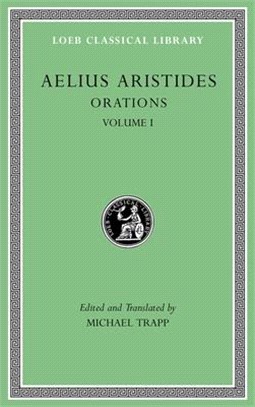
Publius Aelius Aristides Theodorus was among the most celebrated authors of the Second Sophistic and an important figure in the transmission of Hellenism. Born to wealthy landowners in Mysia in 117, h
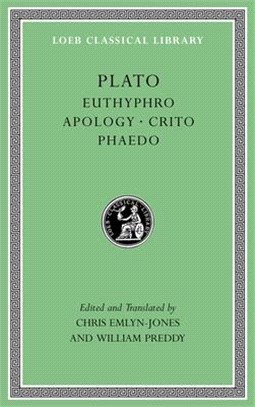
Plato of Athens, who laid the foundations of the Western philosophical tradition and in range and depth ranks among its greatest practitioners, was born to a prosperous and politically active family c
Livy (Titus Livius), the great Roman historian, was born at Patavium (Padua) in 64 or 59 BC, where after years in Rome he died in AD 12 or 17. Livy’s history, composed as the imperial autocracy of Aug
Apuleius, one of the great stylists of Latin literature, was born ca. 125 AD in Madauros to a politically prominent family and received an elite education in the provincial capital Carthage and at Ath
The fragments and testimonia of the early Greek philosophers (often labeled the Presocratics) have always been not only a fundamental source for understanding archaic Greek culture and ancient philoso
Volume VI of the nine-volume Loeb edition of Early Greek Philosophy includes the later Ionian and Athenian thinkers Anaxagoras, Archelaus, and Diogenes of Apollonia, along with chapters on early Greek
The fragments and testimonia of the early Greek philosophers (often labeled the Presocratics) have always been not only a fundamental source for understanding archaic Greek culture and ancient philoso
The fragments and testimonia of the early Greek philosophers (often labeled the Presocratics) have always been not only a fundamental source for understanding archaic Greek culture and ancient philoso
The fragments and testimonia of the early Greek philosophers (often labeled the Presocratics) have always been not only a fundamental source for understanding archaic Greek culture and ancient philoso
The fragments and testimonia of the early Greek philosophers (often known as the pre-Socratics) have always been not only a fundamental source for understanding archaic Greek culture and ancient philo
The fragments and testimonia of the early Greek philosophers (often known as the pre-Socratics) have always been not only a fundamental source for understanding archaic Greek culture and ancient philo