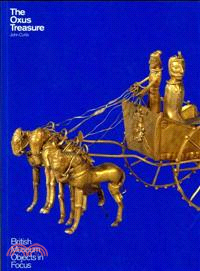
In May 1880, Captain F.C. Burton, a British political officer in Afghanistan, rescued a group of merchants who had been captured by bandits while travelling between Kabul and Peshawar. With them was a
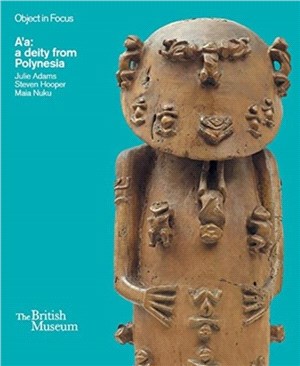
This world-renowned sculpture is a unique figure in Polynesian art. An image of a deified ancestor, A''a was created sometime before 1821 on the island of Rurutu. Thirty dynamic figures stud his body,
Curators at the British Museum, Williams is responsible for early medieval coinage, and Agar for the continental early medieval collection. They describe the January 2007 discovery of the Viking hoard
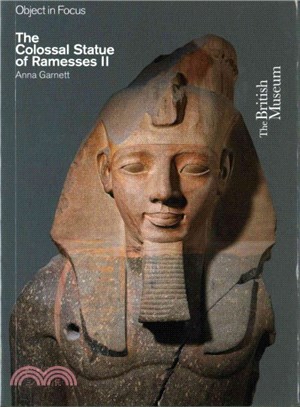
Ramesses II, King of Egypt (1279–1213 BC) ascended the throne as the third king of the Nineteenth Dynasty at the age of twenty-five. In his sixty-seven year reign he probably built more temples and si
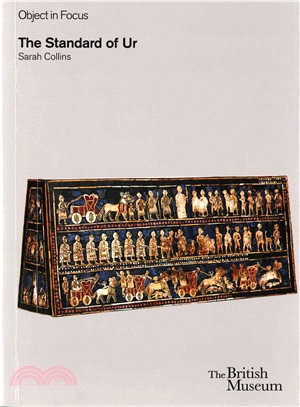
The Standard of Ur is one of the most famous objects to be discovered from ancient Mesopotamia. This beautifully illustrated short introduction tells the story of discovery and significance of this sp
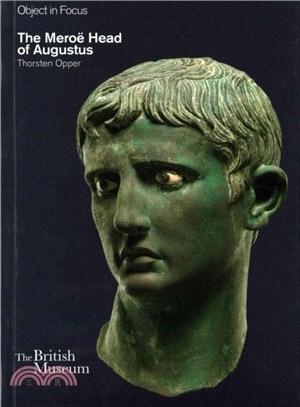
Made from Bronze with eyes inlaid with glass pupils set in metal rings, the ''Meroe Head'' is a magnificent portrait of Julius Caesar''s great nephew and adopted heir Augustus (63 BC-AD 14). Once form
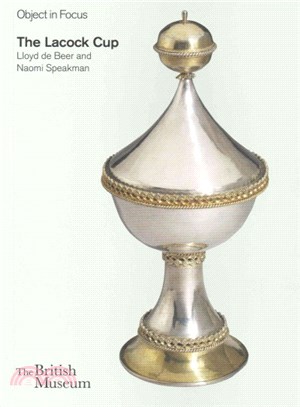
For 400 years the Lacock Cup had been used as a chalice at a Wiltshire church. But it was once the centrepiece of the high table of a rich local nobleman.
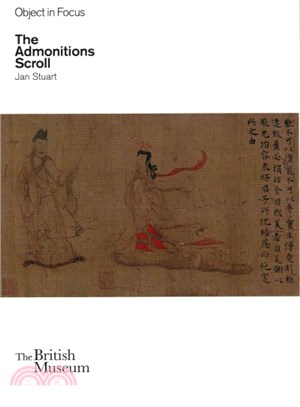
This accessible and beautifully illustrated book, explores the context and meaning of the painted scenes and accompanying text of the Admonitions Scroll and provides a fascinating insight into Chinese
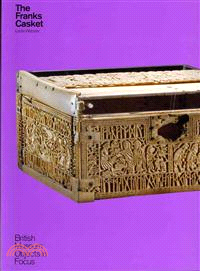
The whale-bone box known as the Franks Casket has intrigued and puzzled viewers since its discovery in the nineteenth century in France. Made in northern England in the eighth century ad, the sides an
In 1942, while ploughing a field near Mildenhall in Suffolk, eastern England, Gordon Butcher stumbled upon a hoard of 34 silver objects that he turned over to his boss and owner of the land, Sydney Fo
The Discobolus or discus-thrower is a marvellous classical piece of sculpture that over time has come to mean different things to different people. Originally cast in bronze by the fifth-century BC sc
'The Great Wave'' is a colour woodblock print designed by Japanese artist Hokusai in around 1830. The print, of which numerous multiples were made, shows a monster of a wave rearing up and about to co
Made in gold and enamel and decorated with precious stones, the Holy Thorn Reliquary depicts the salvation of mankind through the sacrifice of Christ. It was commissioned around 1400-10 by Jean, duc d
In 1866 a figurative sculpture of two reindeer swimming was discovered in France. Being the oldest example of sculpture to date, this 13,000 year old work represents the emergence of art in human hist
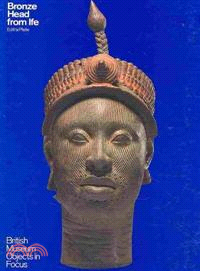
Part of the British Museum''s Objects in Focus series, this compact book offers a well illustrated guide to the crowned bronze head unearthed at Ife in Nigeria in 1938. It places the head in its histo
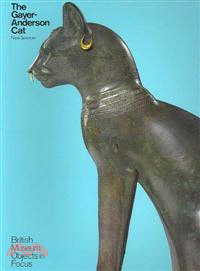
The Gayer-Anderson Cat has been one of the most admired objects at the British Museum since its arrival in 1947. A superb example of ancient metal craftsmanship, its elegant form, gold jewellery and e
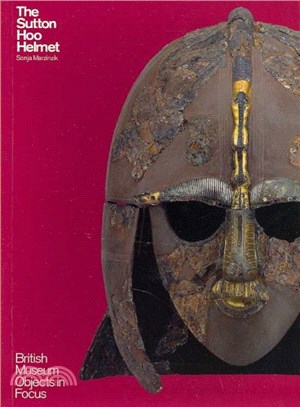
A warrior''s face - the strong brows inlaid with red garnets, the nose and mouth gilded and its surface tinned a silvery colour - this is how the Sutton Hoo helmet once appeared to those who saw it. T
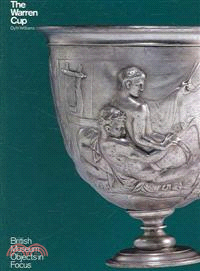
When The Warren Cup, a fine Roman art work of the first century, was acquired by the British Museum in 1999, great controversy arose partly because of the price, but mostly because of the explicit hom
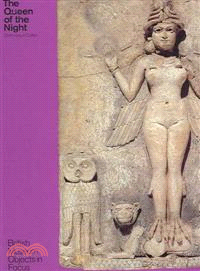
This large Old Babylonian plaque, found in southern Iraq, was made between 1800 and 1750 B.C., and probably stood in a shrine. Named the ''Queen of the Night'', the mysterious figure could be the demo
The Rosetta Stone contains a decree written three times in Greek, Demotic and hieroglyphic that provided the key to the mysterious hieroglyphic script of ancient Egypt, and opened up 3,000 years of th
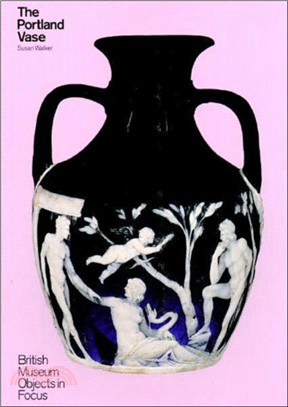
The Portland Vase, probably made during the reign of the Roman emperor Augustus (27 BC-AD 14), has been considered the most beautiful cameo glass vessel surviving from antiquity. A work of outstanding
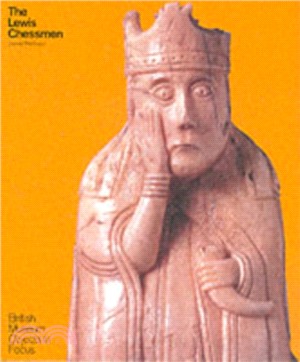
The Lewis chessmen were found hidden on the Isle of Lewis, Scotland, in the early nineteenth century. Probably made in Norway around AD 1150-1200, they consist of elaborately worked walrus ivory in th