Presents a history of light, noting such scientists as Empedocles, Isaac Newton, and Thomas Edison, and discussing such topics as refraction, telescopes, electronic light, and lasers.
Presents a history of the scientific knowledge of the solar system, sharing stories of scientists who worked theories, describing how they tested them, and discussing the impact they had on how it is
Looks at the history of gravity, covering such topics as the scientists who contributed theories, the controversies surrounding those theories, how the theory of gravity was developed and tested, and
Bones are the framework of our bodies, but they are much more than that.This book looks at the functions of bones: what they are made of, how they connect to muscles, and how joints work.
Heart, lungs, kidneys, stomach—all these organs keep our bodies working, but what really goes on inside them? This book explores beneath the surface to find out how our organs work.
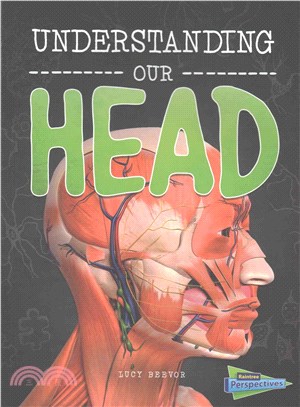
How do our eyes and ears work? What do our noses do? This book explores the anatomy of the human head. From hair and skin down to muscle and bone, find out how each part works, and how it is all contr
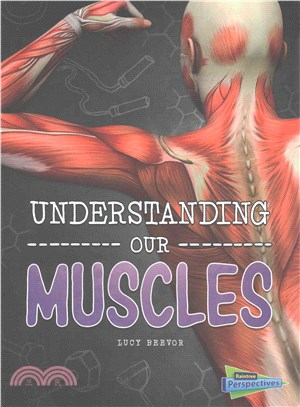
Without muscles we would not be able to move. Muscles keep our digestive system working too, and our heart is a large muscle that works all the time. This book looks at how muscles, tendons and nerves
Presents information about minerals, describing where they are found, their division into different families, how they change over time, their practical uses, and why they are important.
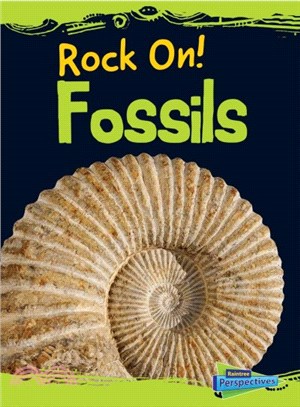
Presents information about fossils, describing their origins and appearance, where they occur, different kinds, how people find them, what they reveal about the past, and the role of fossil fuels.
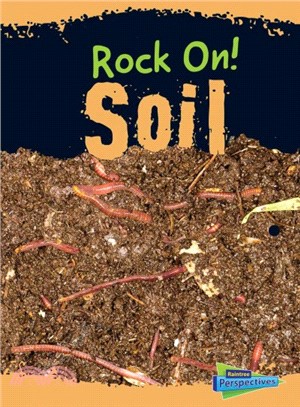
Presents information about soil, describing what materials make it up, its different types, the way it is used for growing food, and how it can be preserved.
This book provides a simple and fun introduction to fossils, discussing different kinds of fossils, exploring how and why they have formed, how they have changed over time, their appearance and proper
This book provides a simple and fun introduction to minerals, discussing different minerals, exploring how and why they have formed, how they have changed over time, their appearance and properties. W
This book provides a simple and fun introduction to rocks, discussing different rocks, exploring how and why they have formed, how they have changed over time, their appearance and properties. With th
This book provides a simple and fun introduction to soil, discussing what soil is, how it is made and what we use it for. With the help of some Rock Solid! facts that provide cool examples, the book w
"This book looks at the differences between light and dark. - Darkness is the absence of light. You can make a dark box to show how we need light to see. - Experiment using ice cubes in boxes to show
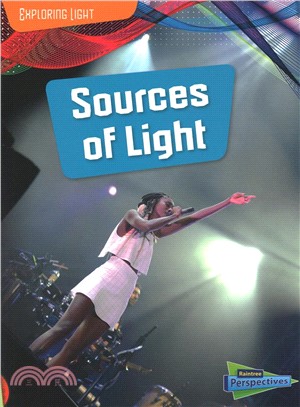
"This book looks at the different places light comes from, including natural and artificial sources. - Discover the difference between a light source and a reflective object and how you can tell which
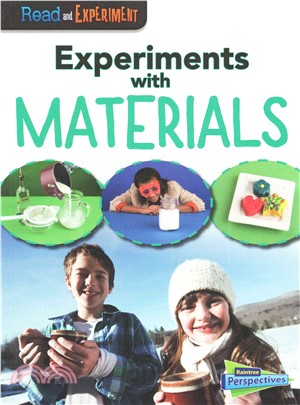
Read and Experiment is an engaging series, introducing children to scientific concepts. Explore the world of materials with clear text, real-world examples and fun, safe step-by-step experiments. This
Read and Experiment is an engaging series, introducing children to scientific concepts. Explore the world of plants with clear text, real-world examples and fun, safe step-by-step experiments. This bo
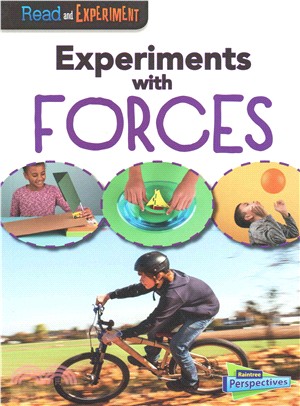
Read and Experiment is an engaging series, introducing children to scientific concepts. Explore the world of forces with clear text, real-world examples and fun, safe step-by-step experiments. This bo
Read and Experiment is an engaging series, introducing children to scientific concepts. Explore the world of magnets with clear text, real-world examples and fun, safe step-by-step experiments. This b
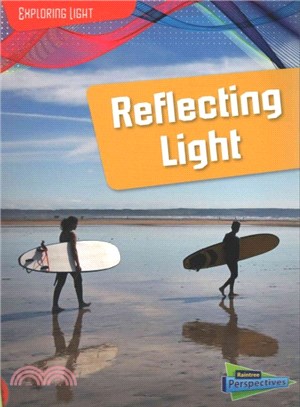
"This book looks at what reflections are and how we can use them. - Mirrors reflect light back at exactly the same angle. You can make a "mirror book" to explore symmetry and multiple reflections. - W
"This book looks at how shadows are created. - Test which materials block light (are opaque), let some light through (are translucent), and let most light through (are transparent). - Look at how you
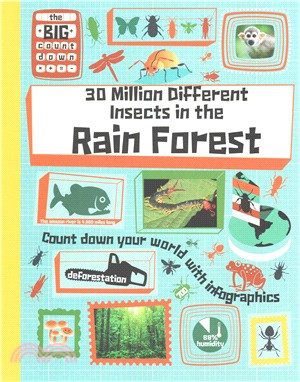
Can you count the animal species found in the rainforest or the fish in the Amazon River? Find out all about the rainforest, including its extraordinary variety of plant and animal life, its peoples,
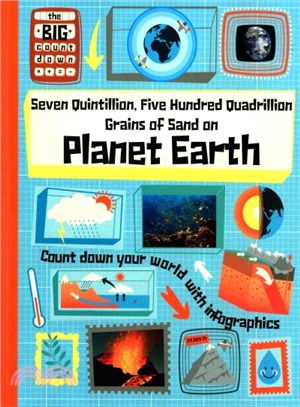
Find out all about Earth, including the types of rock on earth and how they are formed, the longest river and smallest mountain, earthquakes, volcanoes, the water cycle, and how we can really count th
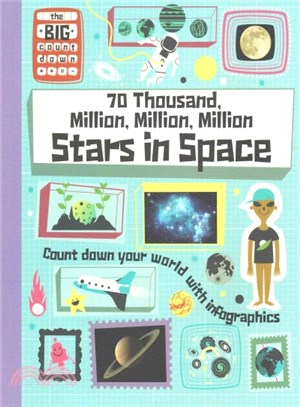
You can count numbers all around you, from the eight legs on a spider to the one nose on your face. But can you count the stars in the sky? Explore Space from galaxies and stars to the planets in our
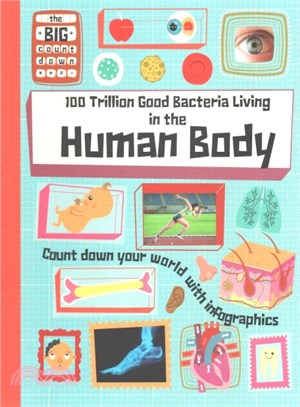
"Find out all about the human body, including the millions of bacteria that live in and on us and help our body function healthily, our digestive system, bones and muscles, blood and heart, lungs and
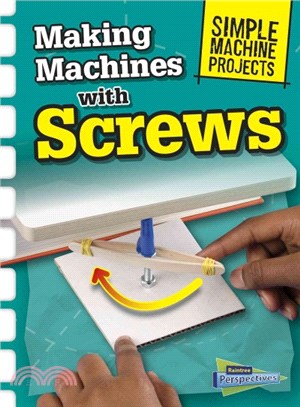
"A hands-on approach introduces young scientists to screws. Science theory and practical, fun projects teach the physics and the technology behind this simple machine. Important science curriculum is
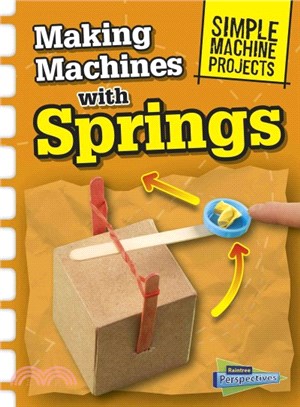
"A hands-on approach introduces young scientists to springs. Science theory and practical, fun projects teach the physics and the technology behind this simple machine. Important science curriculum is
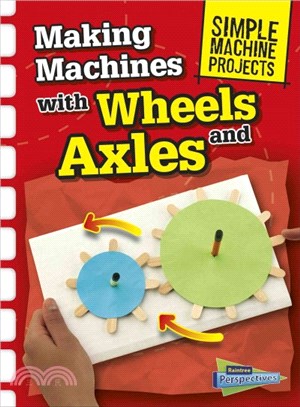
"A hands-on approach introduces young scientists to wheels and axles. Science theory and practical, fun projects teach the physics and the technology behind this simple machine. Important science curr