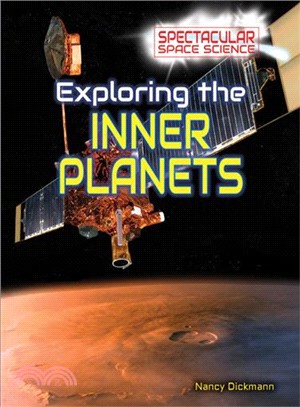
"Stargazers have observed Mercury, Venus, and Mars--the other small, rocky planets in our solar system besides Earth--for thousands of years. More recently, we have begun to explore our neighbors in o
"We will never be able to visit the distant stars that twinkle overhead each night, but scientists are still learning more each day about the furthest reaches of the universe. This informative, colorf
Introduces early beliefs about the planets Jupiter and Saturn, the discovery of Uranus and Neptune, and how scientists have learned more about the atmosphere, surface, features, and moons of these pla
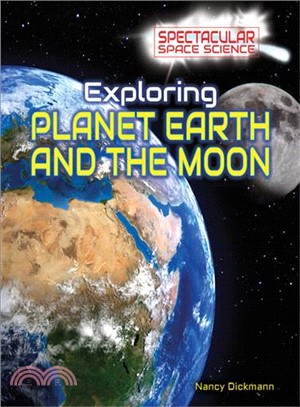
We are so used to Earth and its wonders that sometimes it is hard to remember that it is just one of the millions of planets scattered throughout the universe. In this heavily illustrated volume, stud