Discusses the physical characteristics, behavior, and development of crayfish, and explains how they are threatened by habitat loss and the use of pesticides.
Introduces the physical characteristics, habitat, and life cycle of the emperor penguin, with descriptions of how female and male penguins cooperate during the coldest winters on Earth to preserve the
Discusses the physical characteristics, behavior, and development of sharks, and explains how these predators are threatened by overfishing, pollution, and finning.
Discusses the physical characteristics, behavior, and development of ants, and explains how these social insects are threatened by habitat loss and the use of pesticides.
Describes the physical characteristics, behavior, life cycle, and natural environment of sea horses, a type of fish in which it is the father that has the main responsibility for hatching their young.
Describes the physical characteristics and life cycle of flowering plants, including reproduction from seeds and by other means, and the importance of flowers to the environment.
Describes the physical characteristics, behavior, life cycle, and natural environment of the many species of earthworms that can be found throughout the world.
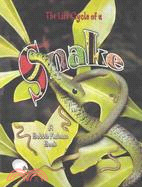
Describes how snakes develop from eggs to adults, why they hibernate, the differences between poisonous and non-poisonous species, how snakes capture prey, and how individuals can protect them.
Presents information about spiders, including different species, reproduction, differences between males and females, and some ways to protect spiders from environmental damage.
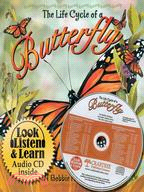
Describes the various stages of a monarch butterfly's life, from egg to pupa to caterpillar to butterfly, as well as its migration and dangers that it faces.
Describes how sea turtles develop from eggs to hatchlings to adult turtles, and tells why they are endangered and what individuals can do to help protect them.
Describes how birds develop from eggs to nestlings to adults, explains differences between bird species, and tells why some are endangered and what individuals can do to help protect them.
An egg rests in a comfy nest. The chick inside begins to grow. Soon it will be a clucking chicken! Get an up-close look at the life cycle of this beautiful bird―from egg to chicken―all in the pages of
A caterpillar crawls onto the leaf of a plant and begins to eat. Soon it will be a beautiful butterfly! Get an up-close look at the life cycle of this incredible insect―from caterpillar to butterfly―a
A beautiful blossom appears on the apple tree. Soon it will be a bright and delicious apple! Get an up-close look at the life cycle of this yummy fruit―from seed to apple―all in the pages of this book
A seed sprouts into a vine with pretty blossoms. Soon a bright orange pumpkin will be ready to pick. Get an up-close look at the life cycle of this festive fall fruit―from seed to pumpkin―all in the p
A seed is planted in the ground. Before long a shoot grows up toward the sky. Soon it will be a bright sunflower. Get an up-close look at the life cycle of this pretty plant―from seed to sunflower―all
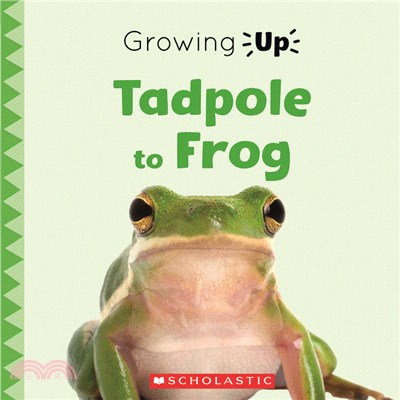
A tadpole wiggles out into the water. Its body begins to change and grow. Soon it will be a full-grown frog. Get an up-close look at the life cycle of this champion jumper―from tadpole to frog―all in
Describes the physical characteristics, behavior, life cycle, and natural environment of the many species of earthworms that can be found throughout the world.