eng With an Introduction and Notes by Dr Sally Minogue Elizabeth Barrett Browning was such an acclaimed poet in her own lifetime that she was suggested as a candidate for the Poet Laureateship when Wo
During his life, Geoffrey Chaucer (born c.1340) was courtier, diplomat, revenue collector, administrator, negotiator, overseer of building projects, landowner and knight of the shire. He was servant,
Edited and with an Introduction by Aidan Arrowsmith, Manchester Metropolitan University. The literary and dramatic work of J.M. Synge is most famous for the 'riots' provoked by his 1907 play The Playb
With an Introduction and Notes by Martin Scofield. Lyrical Ballads (1798 and 1800) constituted a quiet poetic revolution, both in its attitude to its subject-matter and its anti-conventional language.
With a new Introduction by Cedric Watts, Research Professor of English, University of Sussex. W. B.Yeats was Romantic and Modernist, mystical dreamer and leader of the Irish Literary Revival, Nobel pr
With an Introduction, Notes and Bibliography by Anne Varty, Royal Holloway, University of London. WILDE, GLAMOROUS AND NOTORIUS, more famous as a playwright or prisoner than as a poet, invites readers
Introduction, Notes and Bibliography by Dr Bruce Woodcock, Senior Lecturer in English, University of Hull. William Blake was an engraver, painter and visionary mystic as well as one of the most revolu
Selected by Rosemary Gray. Poignant, wry, chilling, challenging, amusing, thought-provoking and always intriguing, these accomplished tales from the pens of great writers are object-lessons in the art
With an Introduction and Bibliography by Stephen Matterson, Trinity College, Dublin. Walt Whitman's verse gave the poetry of America a distinctive national voice. It reflects the unique vitality of th
With an Introduction and Notes by Katherine McGowran. Christina Rossetti is widely regarded as the most considerable woman poet in England before the twentieth century. No reading of nineteenth centur
With an Introduction and Notes by Owen Knowles, University of Hull. In his draft Preface, Wilfred Owen includes his well-known statement 'My subject is War, and the pity of War. The Poetry is in the p
With an Introduction by Dr Tim Cook. Robert Browning (1812-1889) represents the intellectual and argumentative strand in English poetry in contrast to the more ornate style of Spenser and Tennyson. Hi
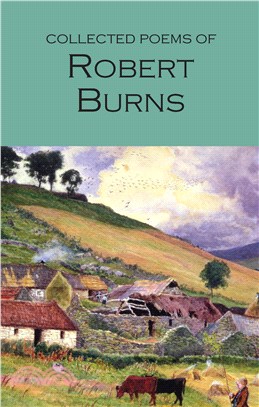
With an Introduction by Donald McFarlan. Robert Burns, the most celebrated of all Scottish poets, is remembered with great devotion - his birthday on 25th January provokes fervour and festivity among
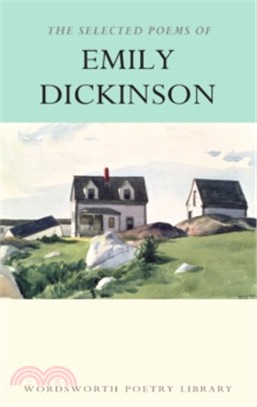
With an Introduction by Emma Hartnoll. Initially a vivacious, outgoing person, Emily Dickinson (1830-1886) progressively withdrew into a reclusive existence. An undiscovered genius during her lifetime
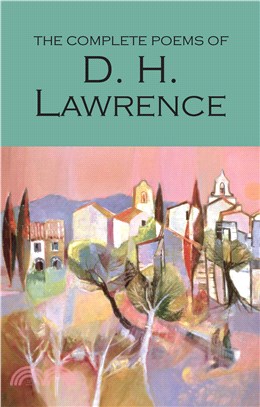
With an Introduction and Notes by David Ellis, University of Kent at Canterbury. Lawrence's reputation as a novelist has often meant that his achievements in poetry have failed to receive the recognit
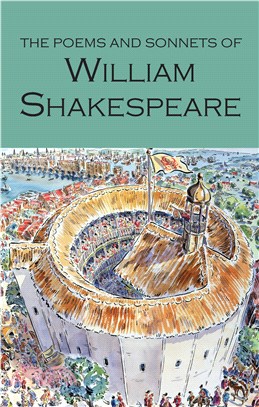
With an Introduction by Tim Cook. Shakespeare's sonnets have an intensity of both feeling and meaning unmatched in English sonnet form. They divide into two parts; the first 126 sonnets are addressed
With an Introduction, Bibliography and Glossary by Michael Irwin, Professor of English Literature University of Kent at Canterbury. Thomas Hardy started composing poetry in the heyday of Tennyson and
With an Introduction and Notes by Michael Irwin, University of Kent at Canterbury. Housman's melodic and memorable poems have been popular for over a century. He writes typically of lost love, of the
With an Introduction, Notes and Bibliography by Dr Bruce Woodcock, Senior Lecturer in English, University of Hull. Shelley's short, prolific life produced some of the most memorable and well-known lyr
With an Introduction, Bibliography and Glossary by Dr Paul Wright, Trinity College, Carmarthen. 'I mean to show things really as they are, not as they ought to be'. wrote Byron (1788-1824) in his comi
With an Introduction by Paul Wright. 'What the imagination seizes as Beauty must be truth' So wrote the Romantic poet John Keats (1795-1821) in 1817. This collection contains all of his poetry: the ea
With an Introduction by Antonia Till. William Wordsworth (1771-1850) is the foremost of the English Romantic poets. He was much influenced by the events of the French Revolution in his youth, and he d
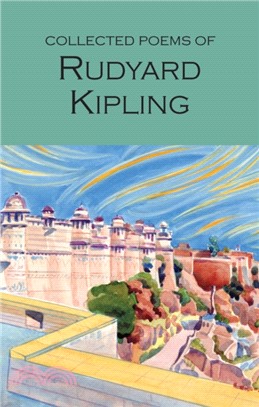
Introduction and Notes by R.T. Jones, Honorary Fellow of the University of York. This edition of the poetry of Rudyard Kipling (1865-1936) includes all the poems contained in the Definitive Edition of