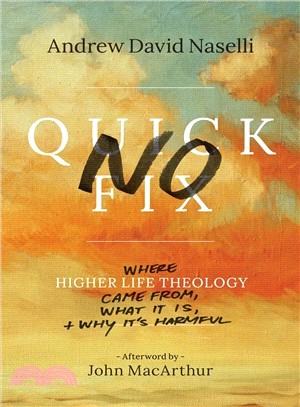
Every Christian struggles with sin and wants to be victorious in the fight.Higher life theology--also known as Keswick theology--offers a quick fix for this struggle. It teaches that there are two cat
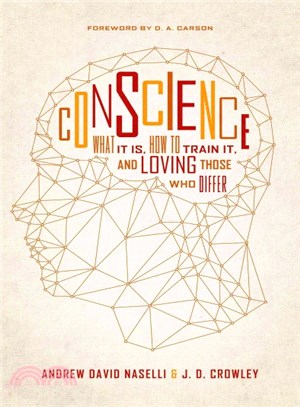
The conscience is a largely neglected topic in Christian circles, but it has massive implications for church unity and ministry. This book walks readers through relevant Scripture passages to offer gu
At the end of Romans 11, Paul quotes both Isaiah and Job. As with other New Testament uses of Old Testament texts, this raises several questions. What is the context of these Old Testament passages? H
Marvel at the big story; savor each detailBiblical Theology allows you to ponder the individual stories and themes of Scripture while observing how they all fit together in God’s grand biblical
Marvel at the big story; savor each detailBiblical Theology allows you to ponder the individual stories and themes of Scripture while observing how they all fit together in God’s grand biblical
Marvel at the big story; savor each detailBiblical Theology allows you to ponder the individual stories and themes of Scripture while observing how they all fit together in God’s grand biblical
Marvel at the big story; savor each detailBiblical Theology allows you to ponder the individual stories and themes of Scripture while observing how they all fit together in God’s grand biblical
Marvel at the big story; savor each detailBiblical Theology allows you to ponder the individual stories and themes of Scripture while observing how they all fit together in God’s grand biblical
Marvel at the big story; savor each detailBiblical Theology allows you to ponder the individual stories and themes of Scripture while observing how they all fit together in God’s grand biblical
Marvel at the big story; savor each detailBiblical Theology allows you to ponder the individual stories and themes of Scripture while observing how they all fit together in God’s grand biblical
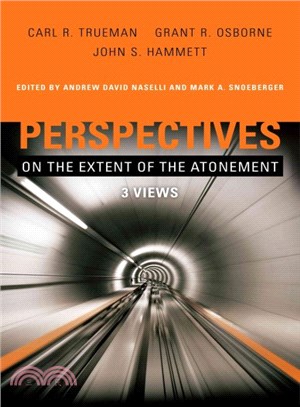
Perspectives on the Extent of the Atonement presents a point-counterpoint exchange concerning God’s intention in sending Christ to die on the cross. All three contributors recognize a substitutionary
In this study of voluntary charities in eighteenth-century London, Donna Andrew reconsiders the adequacy of humanitarianism as an explanation for the wave of charitable theorizing and experimentation