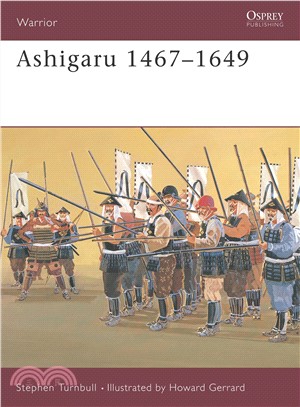
The ashigaru were the foot soldiers of old Japan. Although recruited first to swell an army's numbers and paid only by loot, the samurai began to realise their worth, particularly with arquebuses and
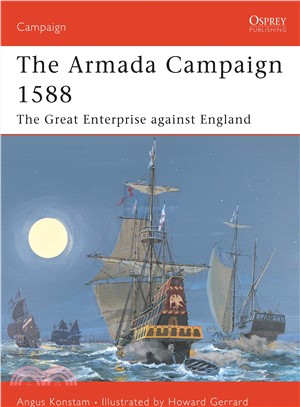
Osprey's examination of the naval conflict between England and Spain in 1588. The thwarted invasion of England by the Spanish Armada is studied here in fascinating detail. How, in a few short days, Ph
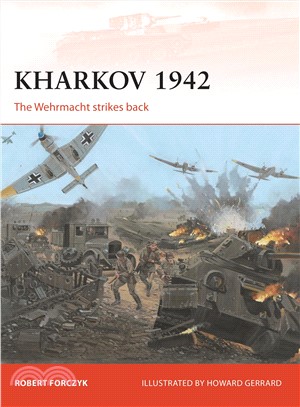
After failing to finish off the German Army in the 1941/42 Winter Counteroffensive and aware that Hitler was planning a new summer offensive in mid-1942, Stalin directed the Red Army to conduct a powe
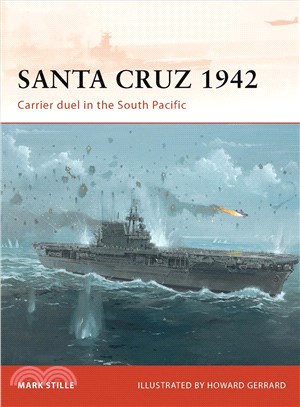
Santa Cruz is the forgotten carrier battle of 1942. Despite myth, the Japanese carrier force was not destroyed at Midway but survived to still prove a threat in the Pacific theater. Nowhere was this c
The Philippine Islands were one of two major US bases in the Pacific, the other being Pearl Harbor. The Japanese considered the capture of the Philippines crucial for its efforts to control resource-l
The St Mihiel salient had been formed in 1914 as the Germans drove towards Paris at the beginning of World War I (1914-1918). The French had attempted to recapture it in 1915 without success and in 19
In 1977, Lufthansa Flight 181 was hijacked by terrorists and flown to Mogadishu, Somalia. Once landed, members of the German special missions group, GSG-9, stormed the plane, killing three of the terr
Osprey's examination of one of the great sea battles of the French Revolutionary Wars (1792-1802). On the night of August 1, 1798, a British fleet under the command of Rear-Admiral Horatio Nelson met
In 1993 Osprey Publishing released the 30th volume in its now legendary Campaign series, entitled, Midway 1942: Turning Point in the Pacific. Now, 17 years later, Osprey brings readers up-to-date with
In late July 1941, Hitler ordered Army Group South to seize the Crimea as part of its operations to secure the Ukraine and the Donets Basin, in order to protect the vital Romanian oil refineries at Pl
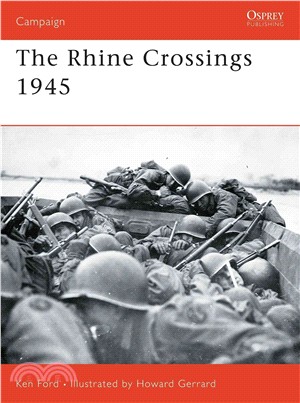
'The last great heave of war,' according to Churchill, took place with the crossing of the Rhine in 1945. No invading army had crossed this great river since Napoleon's in 1805, and the task fell to F
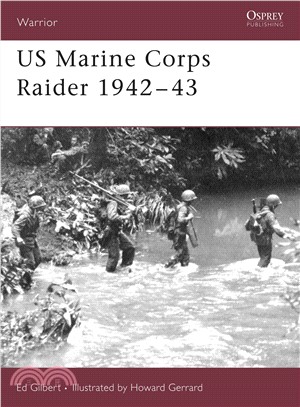
Osprey's study of the US Marine Raiders (an 'elite within an elite') during World War II (1939-1945). The US Marine Raiders were modeled on the British Commandos and, in the 2nd Battalion, also on Com
In late September 1941 the war in the east was approaching a climax. Since the beginning of the German invasion on 22 June 1941, Soviet forces had suffered the staggering loss of over 2 million troops
Leyte Gulf was a key victory for the United States during World War II (1939-1945): its scale dwarfed previous sea conflicts and its result created an opportunity for the US forces to invade the Phili
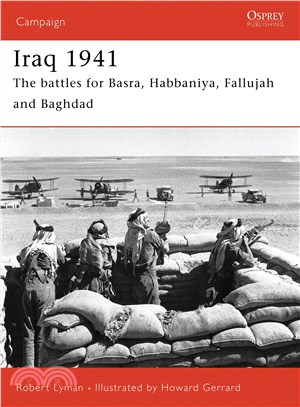
The events in Iraq in 1941 had crucial strategic consequences. The country's oil reserves were a highly coveted prize for the Axis powers, and its location provided a corridor in the defence of Palest
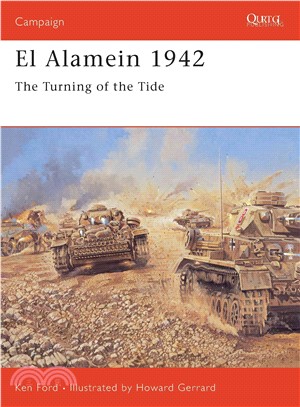
The battle of El Alamein marked the turning point in Britain's fortunes in the World War II (1939-1945). There were three separate battles between July and November 1942, all of which were fought to h
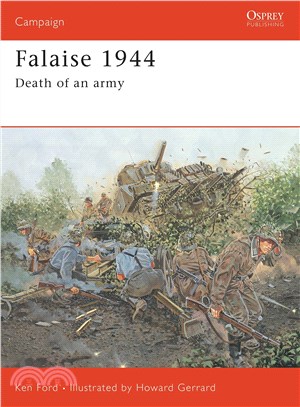
The battle around Falaise in Normandy during August 1944 saw the destruction of the German Seventh army. This book details the chain of events which led to the German retreat and the ensuing liberatio
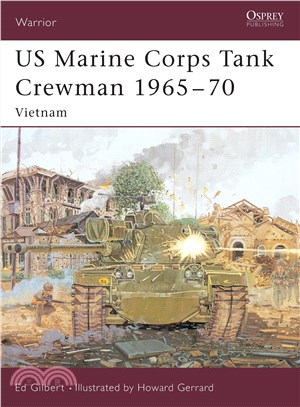
By 1960, following Korea, tanks and their crews had proved themselves to be a fundamental part of the Marine Corps' combined arms team. When the Marines were ordered to Vietnam in 1965, they took thei
Revealing what it was like to live and fight in a medium tank during World War II (1939-1945), this book is structured around the career of a single tanker from 37th Tank Battalion, 4th Armored Divisi
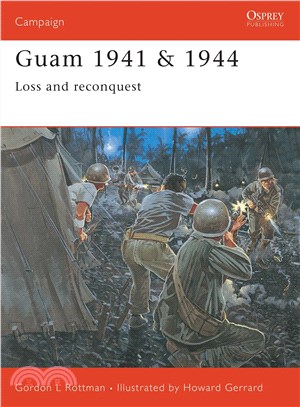
The island of Guam was the first Allied territory lost to the Japanese onslaught in 1941. On 10 December 5,000 Japanese troops landed on Guam, defended by less than 500 US and Guamanian troops, the ou
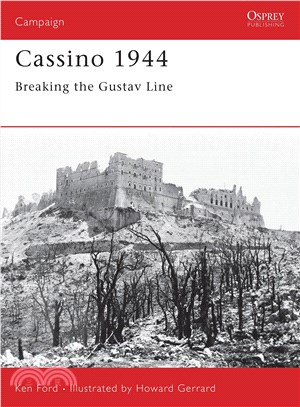
Osprey's study of Italy's Cassino campaign during World War II (1939-1945). The battle for Cassino was probably the most bitter struggle of the entire Italian campaign. The dominating peak of Montecas
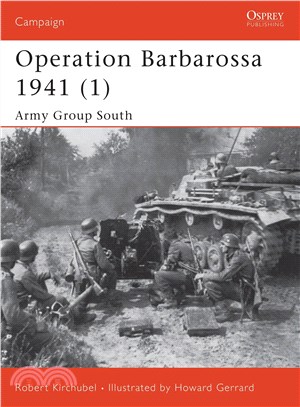
Osprey's first title that examines the events of Operation Barbarossa -- Germany’s surprise assault on the Soviet Union in June 1941, aimed at nothing less than the complete destruction of Communist R
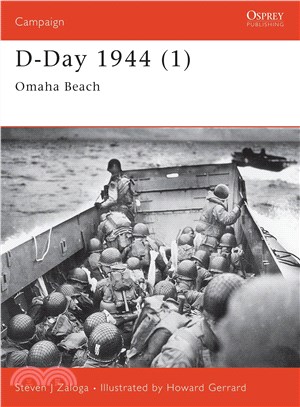
The first title in Osprey's survey of the D-Day landings of World War II (1939-1945). The D-Day landings of 6 June 1944 were the largest amphibious military operation ever mounted. The greatest armada
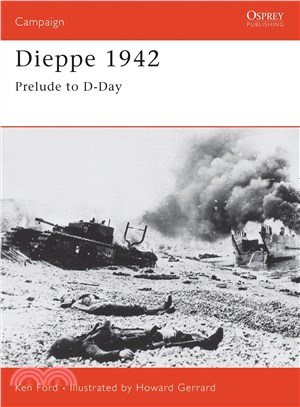
Osprey's examination of the Dieppe raid of August 1942, which was one of the most controversial actions of World War II (1939-1945). Operation ‘Jubilee’ was a frontal assault on a
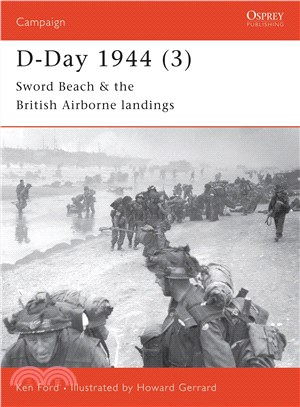
The third title in Osprey's survey of the D-Day landings of World War II (1939-1945). At 0016hrs on 6 June 1944 a Horsa glider ground to a halt a mere 60 yards from the Orne Canal bridge at Benouville
By the spring of 1945 the Allies were sweeping all before them in the Pacific War against Japan, and a series of victories had reclaimed many of the islands and territories seized by the Imperial Japa
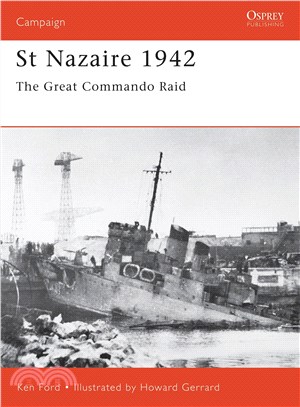
The raid on the port of St Nazaire in March 1942 by a sea-borne task force from British Combined Operations remains one of the most daring actions of World War II (1939-1945). The port lies at the mou
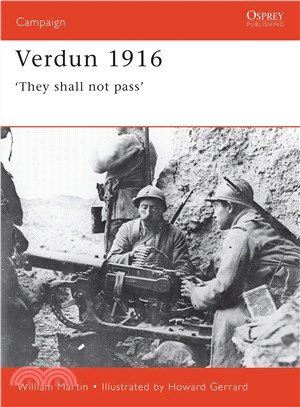
Osprey's examination of the destructive events of a pivotal battle of World War I (1914-1918). On 21 February 1916 German General Erich von Falkenhayn unleashed his hammer-blow offensive against the F
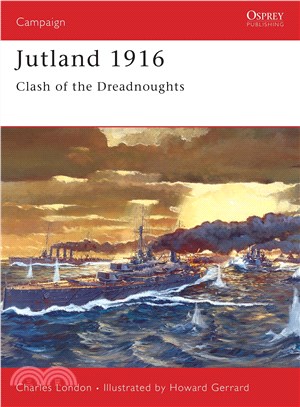
The only major fleet engagement of World War I (1914-1918), the Battle of Jutland (1916) has been surrounded by controversy ever since. The British public felt Admiral Jellicoe had failed –
During the Battle of Dunkirk in 1940, German forces successfully cut off several units of British, French and Canadian troops from supporting forces and supplies. Nearly 350,000 Allied troops were lef
In July 1944 of World War II (1939-1945), Operation Cobra broke the stalemate in Normandy and sent the Allies racing across France. The Allied commanders ignored Paris in their planning for this campa
Osprey's study of Soviet riflemen during the portion of World War II from 22 June 1941 to 9 May 1945, known as the Great Patriotic War. In the first four months of the war the The Red Army did not ref
Osprey's study of the Viet Cong fighters of the Vietnam War (1955-1975). An enemy in the shadows, the Viet Cong was the military arm of the National Liberation Front, the Communist Party of the Republ
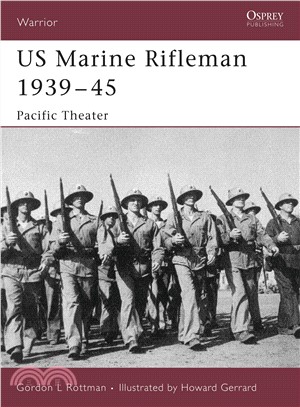
Osprey's study of United States Marine Corps riflemen during World War II (1939-1945). It is sometimes a basic assumption that a US Marine Corps rifleman was essentially trained, uniformed, equipped,
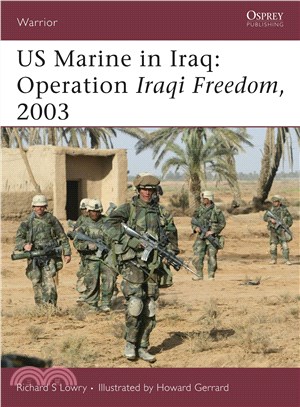
Operation Iraqi Freedom officially began on March 20, 2003 and has become one of the most controversial conflicts of modern warfare. Thousands of US Marines were deployed into Iraq in order to topple
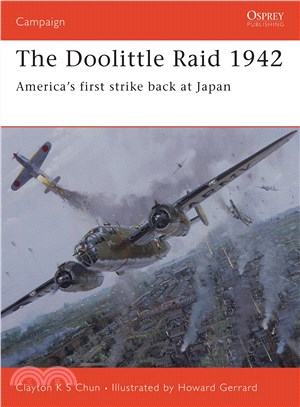
Osprey's study of the United States' first offensive response to the Pearl Harbor attacks of World War II (1939-1945). In early 1942, the strategic situation was bleak for the United States. She had b
The ferocity of the Pacific war almost defied the available military technology. In this environment the evolving use of tanks by the US Marine Corps played a significant role; at the end of the Battl
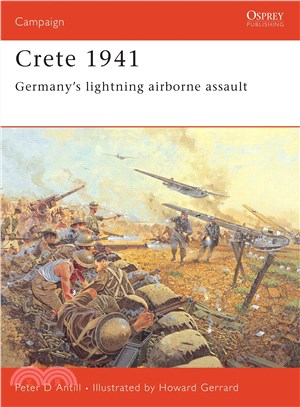
Osprey's study of Operation Mercury, the German airborne assault on the island of Crete in May 1941 during World War II (1939-1945), which was the first strategic use of airborne forces in history. Th
Following the capture of Tarawa in November 1943 during World War II (1939-1945), American eyes turned to the Marshall Islands. These were the next vital stepping-stone across the Pacific towards Japa
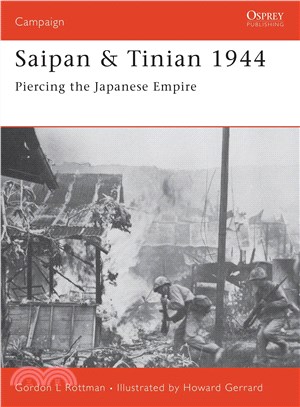
The 1944 invasion of Saipan was the first two-division amphibious assault conducted by US forces in World War II (1939-1945). Saipan and Tinian had been under Japanese control since 1914 and, heavily