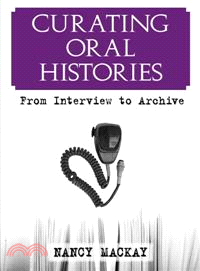
For the past ten years, Nancy MacKay’s Curating Oral Histories (2006) has been the one-stop shop for librarians, curators, program administrators, and project managers who are involved in turning an o
The interview is completed, the recorder packed away, and you've captured the narrator's voice for posterity. The bulk of your oral history is finished—or is it? Nancy MacKay, archivist and oral histo
The interview is completed, the recorder packed away, and you've captured the narrator's voice for posterity. The bulk of your oral history is finished—or is it? Nancy MacKay, archivist and oral histo
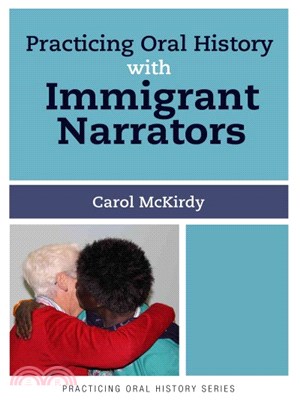
In addition to the problem of language, conducting oral histories with immigrant narrators often requires special considerations: past violence, cultural sensitivity, and lack of trust. Yet, these nar
In addition to the problem of language, conducting oral histories with immigrant narrators often requires special considerations: past violence, cultural sensitivity, and lack of trust. Yet, these nar
The first book of the five-volume Community Oral History Toolkit sets the stage for an oral history project by placing community projects into a larger context of related fields and laying a sound the
The second book in the five-volume Community Oral History Toolkit walks you through all the planning steps to travel from an idea to a completed collection of oral history interviews. Informed by an e
The interview is the anchor of an oral history project. The fourth book in the five-volume Community Oral History Toolkit guides the interviewer through all the steps from interview preparation throug
The third book in the five-volume Community Oral History Toolkit takes the planning steps outlined in Volume 2 and puts them into action. It provides the practical details for turning your plans into
Community projects often falter after the interviews are completed. This final book of the five-volume Community Oral History Toolkit explains the importance of processing and archiving oral histories