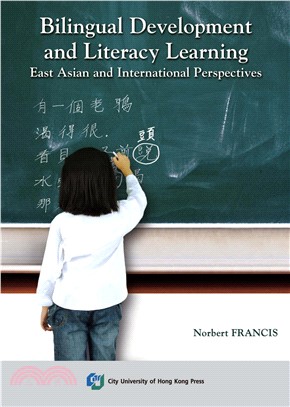
Understanding how the Chinese writing system illustrates universal design features of writing and literacy learning, as well as how it differs from alphabetic literacy, has become one of the cutting edge areas of research in the cognitive sciences. A major part of this book is devoted to the presentation of a series of proposals for collaborative research with investigators working in East Asia on cross-writing system comparisons and bilingual literacy—Comparing alphabetic and morpho-syllabic literacy. The part that corresponds to "International perspectives" proposes new avenues in research on problems of bilingualism shared by speakers of all languages. With a broad survey of research advances drawing from recent investigations, this book will provide non-specialist readers with examples of how the relevant concepts might be applied to practical problems-age of acquisition effects in first and second language development; analysis of language attrition and asymmetries of different k