Lists organize your thinking, focus your energy, free up time in your day (and space in your brain), and give you confidence. No wonder everyone loves lists: making them, reading them, checking thing
Julie hates algebra—until she meets a gebra named Al. In this Student Book, Julie, Al, and the Periodic horses journey through the Land of Mathematics, where the Orders of Operations are real places a
Kids learn how to build the four Constructive Use of Time Assets: Creative Activities, Child Programs, Religious Community, and Time at Home. Stories, tips, and ideas promote healthy, constructive, r
Kids learn how to build the six Positive Values assets: Caring, Equality and Social Justice, Integrity, Honesty, Responsibility, and Healthy Lifestyle. Stories, tips, and ideas help them to make good
The first book of daily readings for all kids guides young people through a whole year of positive thinking and practical lifeskills. Each reading addresses an issue important to adolescents and tee
The second book in the Adding Assets Series for Kids introduces and describes the four Empowerment Assets: Community Values Children, Children as Resources, Service to Others, and Safety. Each
Having support means having people around you who love you, care for you, and accept you. And having places to be and go where you feel happy, welcome, and safe. This book helps you add support to you
Describes what children understand about death and how they grieve, and shares practical advice on answering their questions and helping them work through the grieving process
Kids learn how to build the five Commitment to Learning Assets: Achievement Motivation, Learning Engagement, Homework, Bonding to Adults at School, and Reading for Pleasure. Stories, tips, and ideas s
Kids today need manners more than ever, and Dude, That’s Rude! makes it fun and easy to get some. Full-color cartoons and kid-friendly text teach the basics of polite behavior in all kinds of situatio
Friendly, practical, humorous help for kids who want to manage their tasks, their time, and their stuff-without going overboard or being totally obsessed. Tips, techniques, strategies, and examples e
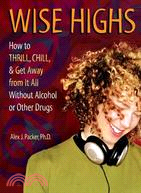
The best-selling author of How Rude!™ describes more than 150 ways to feel really, really good-naturally, safely, and creatively. From breathing and meditation to exercise and sports, gardening
When family life is full of strife, what can a poor teen do? This book covers the basics of creating the civilized home—a place where people talk instead of yell, pick up after themselves, res
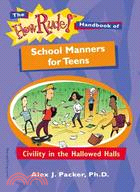
What counts as rude behavior in school? What can you do when a teacher is rude? What’s the best way to handle bullies and bigots? Here’s sound advice (touched with humor) for teens who w
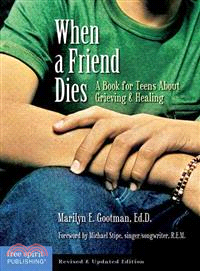
The death of a friend is a wrenching event for anyone at any age. Teenagers especially need help coping with this painful loss. This sensitive book answers questions grieving teens often have, like &
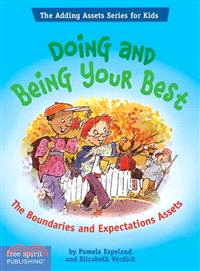
Kids learn how to build the six Boundaries and Expectations Assets: Family Boundaries, School Boundaries, Neighborhood Boundaries, Adult Role Models, Positive Peer Influence, and High Expectations. St
Kids learn how to build the five Social Competencies Assets: planning and decision making, interpersonal competence, cultural competence, resistance skills, and peaceful conflict resolution. Stories,
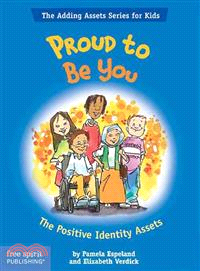
Kids learn how to build the four Positive Identity Assets: personal power, self-esteem, sense of purpose, and a positive view of their personal future. Stories, tips, and ideas help them feel good abo
Kids today are notorious for putting things off—it’s easy for homework and chores to take a backseat to playing video games, hanging out with friends, watching television, or surfing online. Full-colo
Presents a collection of poems written to honor the life of Fortune, a slave in eighteenth-century Connecticut whose body was donated to science upon his death.
Some teens lead healthy, productive, positive lives. Others are troubled, self-destructive, and negative about themselves and the future. What makes the difference? The presence of specific assets in
Resource guide for children for learning political action skills that can help them make a difference in solving social problems at the community, state, and national levels.
With over 220,000 copies in print, the original What Kids Need to Succeed is a proven best-seller. Communities across the nation have embraced its quick-read, common-sense suggestions for helping kid
Written with help from hundreds of gifted teenagers, this handbook is the ultimate guide to surviving and thriving in a world that doesn’t always value, support, or understand high ability. Fu
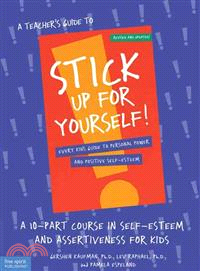
The revised and updated edition of our popular guide reinforces and expands the messages of the Stick Up for Yourself! with a step-by-step curriculum in ten easy-to-use sessions. Includes reproducible
This comprehensive, easy-to-use asset-building curriculum for grades 3-6 includes 42 sessions: one for each of the 40 assets, plus introductory and concluding sessions. Each session includes activiti
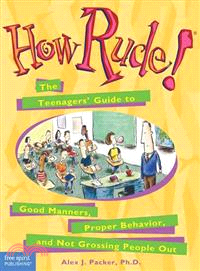
Here's an etiquette book that teens will want to read—because it keeps them laughing, doesn't preach, and deals with issues that matter to them, as teens themselves reported in a nationwide sur
Researchers at Minneapolis-based Search Institute have identified 40 Developmental Assets that all kids need in their lives—good things like family support, a caring neighborhood, and resistance skill
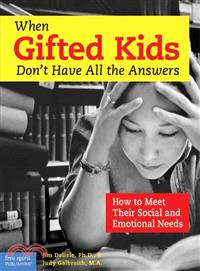
This book offers proven, practical suggestions for encouraging social and emotional growth among gifted, talented, and creative children and youth. The authors explain what giftedness means, how gifte
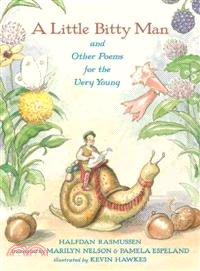
From a team of luminaries comes this collection of truly delightful verse for the littlest listeners.Translated from the original works of beloved Danish poet Halfdan Rasmussen, this delightful collec
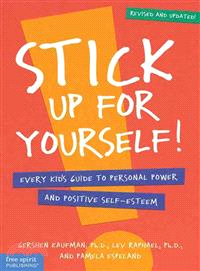
Simple words and real-life examples teach assertiveness, responsibility, relationship skills, choice making, problem solving, goal setting, anger management, and more.
With 150,000 copies in print, the original Teaching Gifted Kids in the Regular Classroom is a perennial best-seller. Teachers everywhere call it “the orange bible” and turn to it daily to