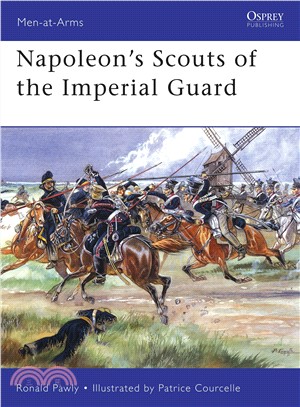
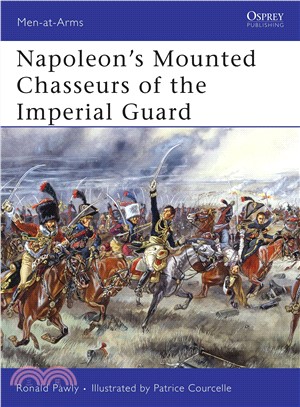
Napoleon's last 'Campaign of France' in 1814 proved to be one of his most brilliant during the Napoleonic Wars (1799-1815). He relied as never before on committing his elite Imperial Guard cavalry to
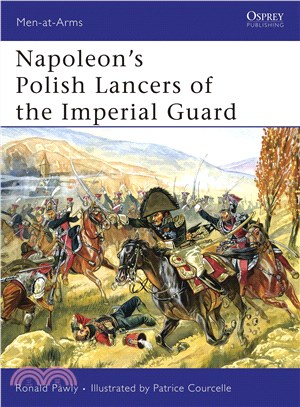
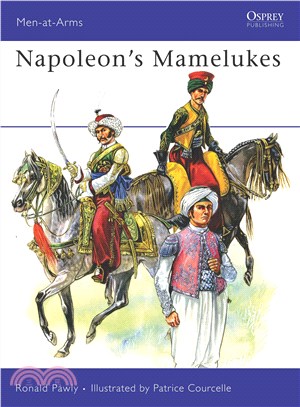
This book draws on original regimental records to give an account of the organization and personalities of the most renowned of the foreign units that served in the Emperor's armies. Unlike most of h
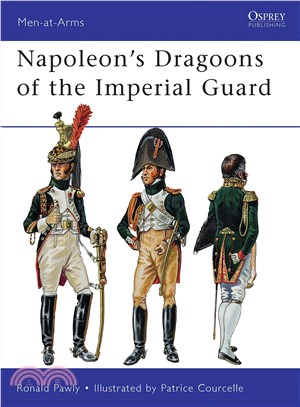
Dressed in distinctive green uniforms and classically inspired copper helmets, the Dragoons of the Imperial Guard were raised in 1806 by the same criteria as other Guard units - by selection of picked
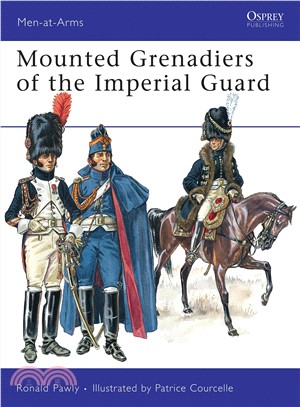
The most imposing of all the troops of Napoleon's Old Guard were the heavy cavalry of the Mounted Grenadiers - veterans chosen for their physical stature and proven bravery, riding great black horses
A concise history of the hand-picked elite cavalry guard that served as Napoleon's close personal escort and were committed to the most dangerous areas of combat on the battlefield. Formed from his or
After Spain declared war against Britain on 21 June 1779 during the American Revolutionary War (1775–1783), a siege by land and sea was deployed against Gibraltar. For four years the garrison of Gover
The most exotic of all the troops of Napoleon's Imperial Guard were undoubtedly the Mamelukes - the bodyguard of Oriental cavalry which followed him home after the Egyptian expedition of 1798-1801, an
The two privileged regiments of Carabiniers survived the?Napoleonic Wars?(1977-1815)?with their elite status intact. They covered themselves with glory at Austerlitz, Friedland, Ratisbonne and Wagram
Following Elite 115 – which described the composition of Napoleon's military and civil 'households', and Marshal Berthier's army general headquarters – this title offers an intimat
Osprey's detailed study of the entourage which enabled Napoleon to move hundreds of thousands of troops right across Europe during the Napoleonic Wars (1799-1815). The 'military machine' by which Napo
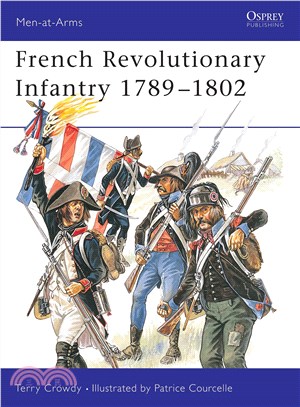
The years immediately following the French Revolution of 1789 saw an extraordinary transformation of the French army. From a distrusted instrument of the feudal power of the king and nobility, it beca
Osprey's study of the German commanders of World War I (1914-1918). The turn of the 20th century saw Imperial Germany as essentially a militarist state, whose growing industrial resources and wealth w
The legendary Dutch 'Red' Lancers – the 2nd Light Horse Lancers of Napoleon's Imperial Guard – were formed in 1810, during the Napoleonic Wars (1799-1815), after the emperor annexed Holland and its ar
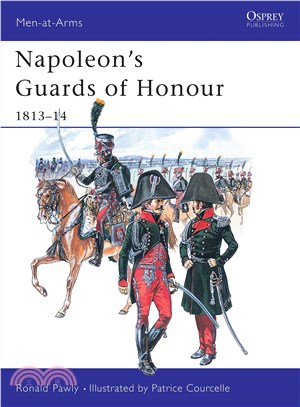
One of the least understood of Napoleon's corps were the four regiments of Gardes d'honneur, raised in 1813 during the frantic rebuilding of the French cavalry after the huge losses in Russia. Recruit
The forces commanded by the Duke of Wellington at Quatre-Bras and Waterloo included two infantry divisions and three cavalry brigades of the newly unified ('Dutch-Belgian') army of the Kingdom of the
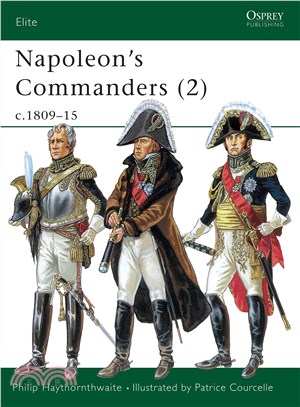
Osprey's examination of commanders of the Napoleonic Wars (1799-1815). On the Napoleonic battlefield victory or defeat could still depend on the skills, reactions and personalities of individual comma
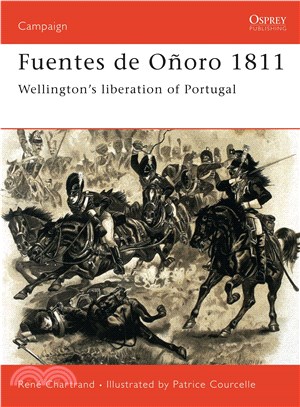
This Osprey title examines the crucial campaign culminating in the hard-fought battle that finally drove the French from Portugal during the Napoleonic Wars (1799-1815). In October 1810 the Allied pos
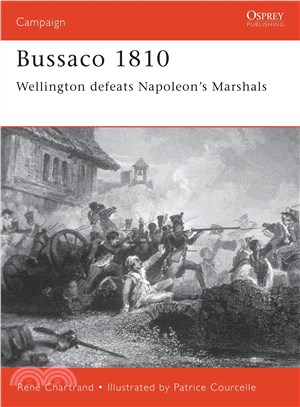
This Osprey title details the gruelling Bussaco campaign of the Napoleonic Wars (1799-1815), as French attempts to subdue Portugal reached their climax. By 1810, Napoleon reigned supreme over most of
Osprey's examination of the first of Sir Arthur Wellesley's string of victories in the Peninsular War (1807-1814). On 2 August 1808, a British army of 14,000 men began landing north of Lisbon under th
The army commanded by the Duke of Wellington at Quatre-Bras and Waterloo included two infantry divisions and three cavalry brigades of the newly-unified Netherlands (or 'Dutch-Belgian') army. The part
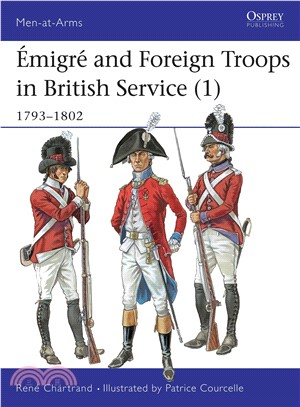
Following the Revolution in 1789, members of the aristocracy were increasingly persecuted, and many of them fled abroad. These exiles became known collectively as 'emigres', and despite initial confus
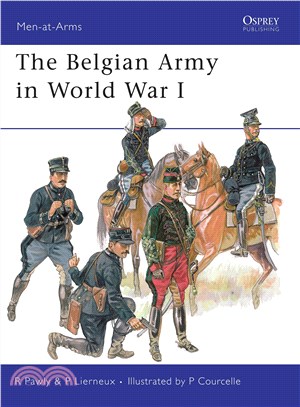
In August 1914, with Europe on the edge of war, Germany sent an ultimatum informing neutral Belgium that it was about to cross her borders, and warning King Albert's government not to resist. But this