Any organization's success depends upon the voluntary cooperation of its members. But what motivates people to cooperate? In Why People Cooperate, Tom Tyler challenges the decades-old notion that ind
People obey the law if they believe it's legitimate, not because they fear punishment--this is the startling conclusion of Tom Tyler's classic study. Tyler suggests that lawmakers and law enforcers wo
Any organization's success depends upon the voluntary cooperation of its members. But what motivates people to cooperate? In Why People Cooperate, Tom Tyler challenges the decades-old notion that indi
Legal socialization is the process by which children and adolescents acquire their law related values, attitudes, and reasoning capacities. Such values and attitudes, in particular legitimacy, underl
We dedicate this book to John Thibaut. He was mentor and personal friend to one of us, and his work had a profound intellectual influence on both of us. We were both strongly influenced by Thibaut's i
This invaluable resource guides readers through the process of creating scholarly, publishable prose from the results of quantitative experiments and investigations. It delves into the issues commonly
Public opinion polls suggest that American's trust in the police and courts is declining. The same polls also reveal a disturbing racial divide, with minorities expressing greater levels of distrust t
This invaluable resource guides readers through the process of creating scholarly, publishable prose from the results of quantitative experiments and investigations. It delves into the issues commonly
Trust plays a central role in organizational life. It facilitates exchanges among individuals, enhances cooperation and coordination, and contributes to more effective relationships. This volume bring
An invaluable reference tool that guides readers through drafting the results of quantitative experiments and investigations. Everyone who does quantitative social science research writes up the re
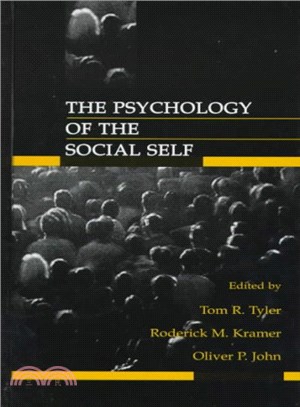
Leading theoreticians and researchers present current thinking about the role played by group memberships in people's sense of who they are and what they are worth. The chapters build on the assumptio
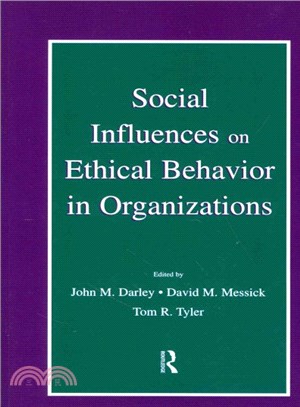
For too long, organizational scientists have not adequately attended to the problems of unethical behavior in organizations. This collection of essays provides the stimulus needed to help move the stu