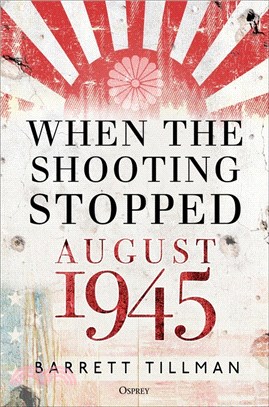
Victory in Japan Day on August 15, 1945 officially marked the end of World War II, but conflicts continued throughout the month. This fascinating title explores the final weeks of the war.In forty-four months between December 1941 and August 1945, the Pacific Theater of Operations absorbed the attention of the American nation and military longer than any other. Despite the Allied grand strategy of “Germany first,” after the Japanese attack on Pearl Harbor, the U.S. especially was committed to confronting Tokyo as a matter of urgent priority.But from Oaho to Tokyo was a long, sanguinary slog, averaging an advance of just three miles per day. The U.S. human toll paid on that road reached some 108,000 battle deaths, more than one-third the U.S. wartime total. But by the summer of 1945 on both the American Homefront and on the frontline there was hope. The stunning announcements of atomic bombs on Hiroshima and Nagasaki on August 6 and 9 seemed sure to force Tokyo over the tipping point si