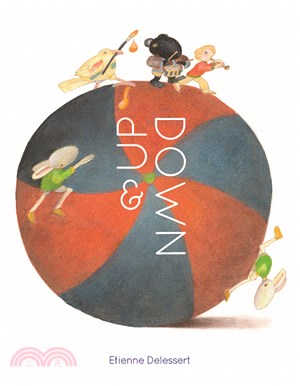
What goes up must come down! Using common phrases and uncommon characters, author and illustrator Etienne Delessert takes young readers on a wild and wonderful elevator ride of the imagination. Famili
Elephants, with their matriarchal societies, long memories, and demonstrations of emotional connections, are some of the world's most treasured animals. However, they are also among the most threatene
Animals come in many shapes and sizes―some have large ears, others have distinctive noses, and still others have far too many eyes! They express emotions in different ways, too, but one thing remains
Bats have wings, but do cats? No, of course not! In this entertaining book designed to both instruct and delight, young audiences encounter actual animal traits paired with impossible ones. Or what if
This new Spanish edition surveys key aspects of killer whales, describing the carnivorous marine mammals' appearance, behaviors, and habitats. A folk tale explains how these creatures came to be.From
This new Spanish edition surveys key aspects of owls, describing the appearance, behaviors, and habitats of these nocturnal birds of prey. A folk tale explains why these creatures have large eyes and
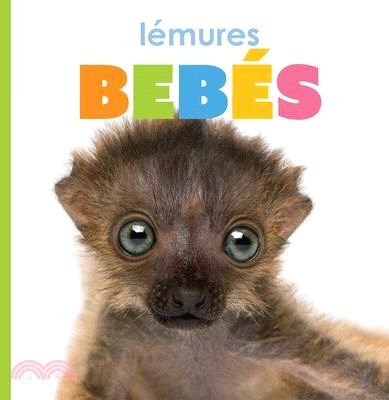
A baby lemur narrates the story of its life, describing how physical features, diet, habitat and familial relationships play a role in its growth and development.?Celebrating the life, growth, and dev
With a flip and a trick, skateboarding has gone from empty pool pastime to pro sport. Carefully controlled text on equipment and tricks helps early readers catch big air over their reading goals.Eleme
Swing, batter, batter, swing! Carefully controlled text about players, rules, and equipment helps early readers score a home run with their reading goals.Elementary sports fans will catch key vocabula
Corals are more than just rocks or plants. These ocean animals can move and stretch their tentacles to sting tiny animals to eat. Emergent readers will discover how corals spawn and grow into huge ree
With long, slithering bodies and smooth, scale-less skin, eels may look scary-but they are actually shy! Emergent readers will discover that these fish hide in holes to stay safe and open their mouths
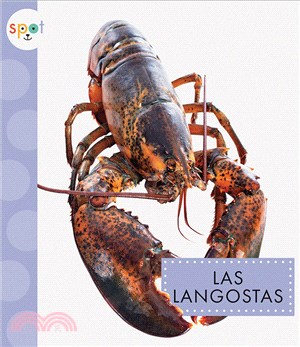
Not just for dinner, lobsters are amazing crustaceans! They use one big claw to crush while the other tears up its food. Emergent readers will discover that lobsters molt their old shell and then hide
Affectionately nicknamed sea cows, these gentle giants spend most of their life in warm, shallow waters grazing on seagrass. Emergent readers will learn about baby manatees and how they grow up big an
Leafy or weedy, sea dragons-cousins to sea horses-are underwater masters of disguise. Though not actual dragons, these small fish have skin flaps that look like seaweed and some can even change color!
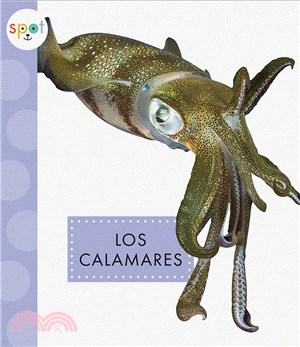
Squish, splash, squirt! With a soft body, eight arms, and two tentacles, squids come in all shapes and sizes. Emergent readers will discover how squids use their suckers to capture food and squirt ink
This new Spanish edition surveys key aspects of elephants, describing the massive mammals' appearance, behaviors, and habitats. A folk tale explains why these creatures have long trunks.From scaly all
This new Spanish edition surveys key aspects of pandas, describing the plant-eating bears' appearance, behaviors, and habitats. A folk tale explains why these creatures have black and white fur.From s
This new Spanish edition surveys key aspects of kangaroos, describing the hopping marsupials' appearance, behaviors, and habitats. A folk tale explains why these creatures move around by jumping.From
This new Spanish edition surveys key aspects of alligators, describing the scaly reptiles' appearance, behaviors, and habitats. A folk tale explains why these creatures dislike dogs.From scaly alligat
This new Spanish edition surveys key aspects of eagles, describing the powerful raptors' appearance, behaviors, and habitats. A folk tale explains why humans respect eagles.From scaly alligators to fu
This new Spanish edition surveys key aspects of cheetahs, describing the fast cats' appearance, behaviors, and habitats. A folk tale explains why these creatures have tear lines.From scaly alligators
This new Spanish edition surveys key aspects of moose, describing the long-legged deer's appearance, behaviors, and habitats. A folk tale explains why these creatures have long, curved noses.From scal
This new Spanish edition surveys key aspects of gorillas, describing the great apes' appearance, behaviors, and habitats. A folk tale explains why these creatures do nothing but eat and sleep.From sca
Cougar, puma, mountain lion - they are all the same big, brown cat! The cougar might be a candidate for king of the forest, but it doesn't roar. It does growl, purr, and even chirp!Kids just learning
Excite early readers about science and weather with a low-level search-and-find reader about blizzards. This is a North American Spanish translation of Spot Blizzards.Brr. You don't want to be caught
Excite early readers about science and weather with a low-level search-and-find reader about earthquakes. This is a North American Spanish translation of Spot Earthquakes.Shake. Tremble. Crack. When t
Excite early readers about science and weather with a low-level search-and-find reader about floods. This is a North American Spanish translation of Spot Floods.When it rains, it pours! Too much rain
Excite early readers about science and weather with a low-leveled search-and-find reader about tornadoes. This is a North American Spanish translation of Spot Tornadoes.When a big, supercell storm for
With ear tufts and a ruff of hair around their faces, lynx might be the fluffiest wildcat. Their life in cold habitats demands it. Even their paws are big to act like snowshoes in the snow.New readers
Rollin', rollin', rollin', keep those bowlers bowlin'! Put on your smooth shoes and bowl a strike with carefully controlled text and excellent photos about bowling teams, basic equipment, and rules.El
Grab your poles and carve a trail through the fresh powder! A gentle slope of carefully word choice helps early readers pick up new words about the sport of downhill skiing. Simple text and excellent
Excite early readers about science and weather with a low-level search-and-find reader about wildfires. This is a North American Spanish translation of Spot Wildfires.When a simple camp fire gets out
The unbelievable yet true story of how an eight-year-old white kid from Sheboygan, Wisconsin, met the legendary Jackie Robinson in 1954―and how the two became lifelong friends.
Inspired by the 19th-century lives of artist and scientist Charles Willson Peale's family, this is a tale of a girl and her favorite companion―a fossilized mastodon!