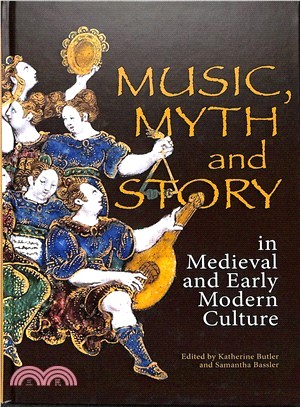
Myths and stories offer a window onto medieval and early modern musical culture. Far from merely offering material for musical settings, authoritative tales from classical mythology, ancient history a
This book is a richly illustrated history of the Wardle family of Leek, Staffordshire, which rose to prominence in fine textile production in the second half of the nineteenth century. At its core is
Murder - the perpetrators, victims, methods and motives - has been the subject of law, literature, chronicles and religion, often crossing genres and disciplines and employing multiple modes of expres
From the eleventh and twelfth centuries, Latin Christendom was increasingly focussed, both institutionally and culturally, on Rome and the papacy. A key element of these changes was a growing concern
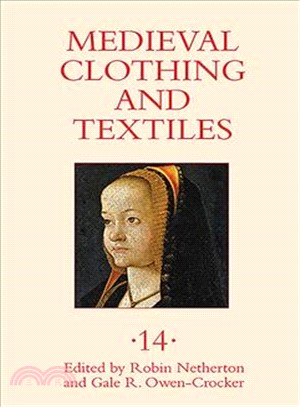
The essays here continue in the Journal's tradition of drawing on a range of disciplines. Topics include evidence for dress in multicultural sixth-century Ravenna; the incidence of Byzantine and Orien
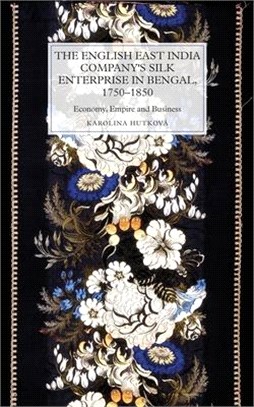
Over the long eighteenth century, thousands of men and women from the English provinces lived and worked in the East Indies. Yet the provincial commitment of human, financial and social capital to ven
The marriage of Charles and Elizabeth Forth (c. 1582-1593) offers an intriguing insight into the politics of gender, family and religion in Elizabethan England. In this story, resourceful women play l
On taking the cross, crusaders received a diverse set of privileges designed to appeal to both spiritual and more temporal concerns. Among these was the papal protection granted to them and extended o
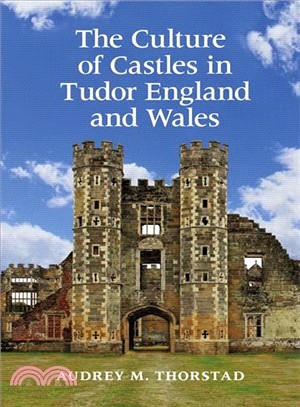
The castle was an imposing architectural landmark in late medieval and early modern England and Wales. Castles were much more than lordly residences: they were accommodation to guests and servants, sp
This book explores examples of how the Christian story is still expressed in music and how it is received by those who experience that art form, whether in church or not. Through conversations with a
Between 1660 and 1841, some 149 "corporations of the poor" were created in England through local acts. By uniting a number of parishes, these "corporations" hoped to deal more effe