The period c. 1200-1600 was marked by the achievements and decline of the Anglo-Norman colony in Ireland, refashioning of Gaelic elite identity, Reformation, and reassertion of English control that le
The scale of the Great Irish Famine, and the horror of it, were unprecedented. It permeated everything, the traces of which remain to this day. But the visual dimensions of the loss of life and the er
The book addresses the dearth of information about the life and music of the twentieth-century Irish composer, Ina Boyle. She worked at her craft throughout her life, although as a woman living in the
This book presents, for the first time, an in-depth and wide-ranging study of public musical life in Cork from the early eighteenth century to the end of the nineteenth century. The city's strategic l
This book creates an important link between the pre-famine and post-famine era, in a way which has not been investigated previously, either nationally or locally. Using Tipperary as a county unit, thi
All on Show takes the circus in literature as its theme. The book introduces readers to the obscure history of the circus and travelling entertainment in Ireland while contextualising celebrated works
Gaelic games have repeatedly provided filmmakers and producers with a resonant motif through which they have represented ‘perceived’ aspects of Irish identity, ‘perceived’ as this representation has b
Irish immigrants – although despised as inferior on racial and religious grounds and feared as a threat to national security – were one of modern Australia’s most influential founding peoples.In his l
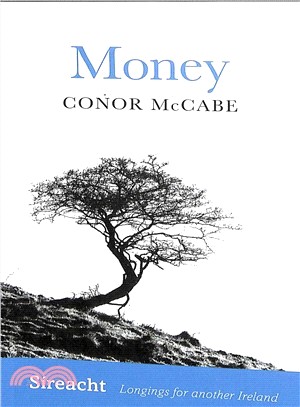
Money is power. It shapes our world in ways that can leave the mind reeling. Indeed, the bank crisis and subsequent recession made clear the influence that it has over our lives. Yet this despite thi
In any sustained period of food hunger and famine, children are one of the most vulnerable groups in terms of disease and mortality. The Great Hunger that occurred in Ireland between 1845 and 1852 is
Even before the end of the union with Britain, southern Irish unionists were being represented as stateless, rootless. Popular opinion has often erroneously conflated 26 county Protestantism with 26