Amphibians are among the most threatened groups of animals on earth. In part due to their highly permeable skin, amphibians are highly sensitive to environmental changes and pollution and provide an e
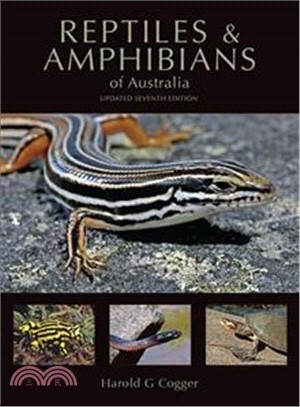
Reptiles and Amphibians of Australia is a complete guide to Australia’s rich and varied herpetofauna, including frogs, crocodiles, turtles, tortoises, lizards and snakes. For each of the 1,218 species
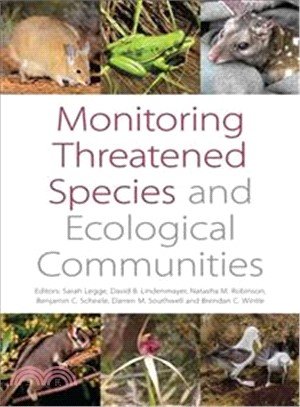
Monitoring is integral to all aspects of policy and management for threatened biodiversity. It is fundamental to assessing the conservation status and trends of listed species and ecological communiti
Australia has the third largest marine estate in the world, extending from the tropics to Antarctica and including vast areas of the Indian, Pacific, and Southern Oceans. As a country, Australia has
The Hepialidae (Ghost Moths) are a family of often spectacular micro-moths. The Australian region is one of the hot spots for hepialid diversity and the fauna is divided into three groups: primitive H
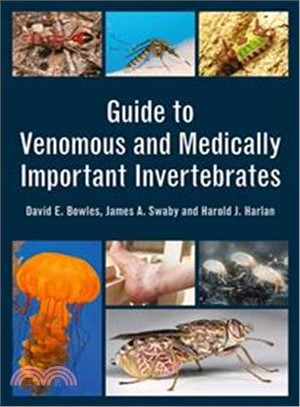
This guide summarizes threats from various medically important invertebrate groups worldwide, including physical pain and annoyance to disease transmission risk. It also summarizes personal protective
Goat meat is growing in popularity in Australia and is also an important export industry. It offers many opportunities for large- and small-scale farmers who need to diversify or seek alternative ente
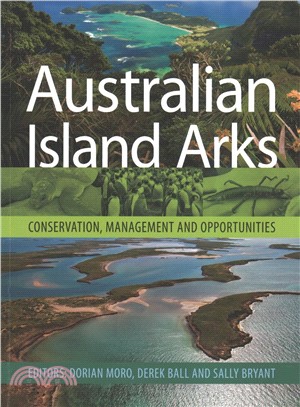
Australia is the custodian of a diverse range of continental and oceanic islands. From Heard and Macquarie in the sub-Antarctic and temperate Lord Howe and Norfolk to the tropical Cocos (Keeling) and
Humans spend more time in or on the water than ever before. We love the beach, but for many people, getting in the water provokes a moment’s hesitation. Shark attacks are big news events, and although
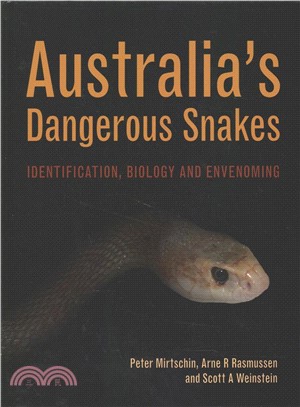
Australia’s venomous snakes are widely viewed as the world’s most deadly and are regarded with cautious curiosity, fascination, and regrettably, fear. Australia’s Dangerous Snakes examines the biology
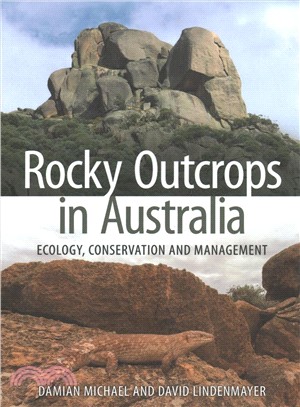
Rocky outcrops are landscape features with disproportionately high biodiversity values relative to their size. They support specialized plants and animals, and a wide variety of endemic species. To In
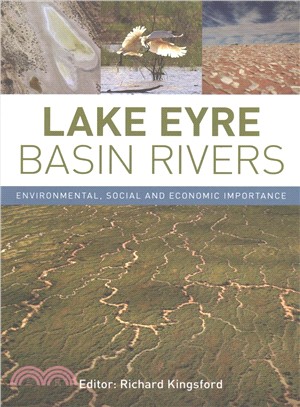
In the heart of Australia, water is scarce in the Lake Eyre Basin. The region goes through natural cycles of boom and bust, and the flooding of the basin rivers is accompanied by spectacular responses
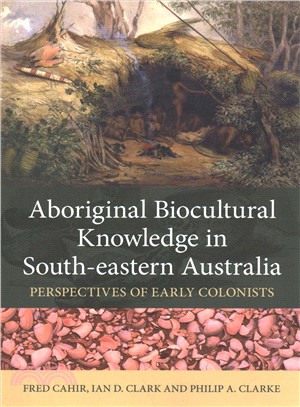
Indigenous Australians have long understood sustainable hunting and harvesting, seasonal changes in flora and fauna, predator–prey relationships and imbalances, and seasonal fire management. Yet the e
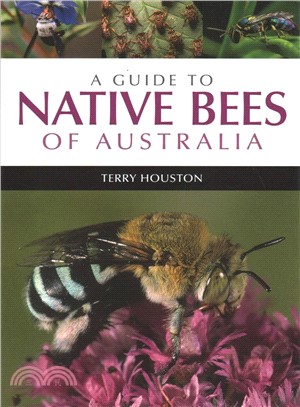
Bees are often thought of as yellow and black striped insects that live in hives and produce honey. However, Australia’s abundant native bees are incredibly diverse in their appearance and habits. Som
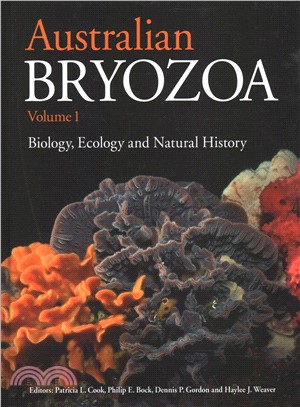
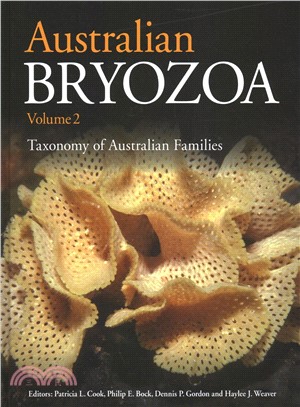
Bryozoans are aquatic animals that form colonies of connected individuals. They take a variety of forms: some are bushy and moss-like, some are flat and encrusting and others resemble lace. Bryozoans
Bryozoans are aquatic animals that form colonies of connected individuals. They take a variety of forms: some are bushy and moss-like, some are flat and encrusting and others resemble lace. Bryozoans
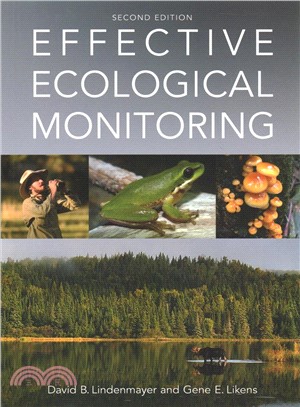
Long-term monitoring programs are fundamental to understanding the natural environment and managing major environmental problems. Yet they are often done very poorly and ineffectively. This second edi
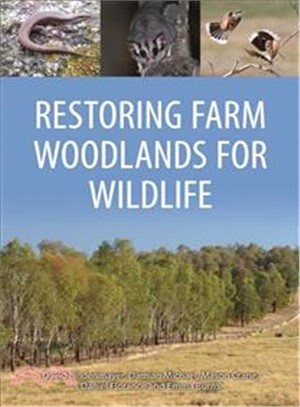
Millions of hectares of temperate woodland and billions of trees have been cleared from Australia’s agricultural landscapes. This has allowed land to be developed for cropping and grazing livestock bu
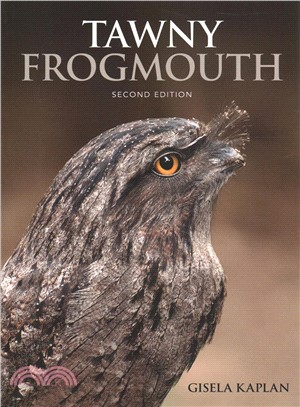
The tawny frogmouth is one of Australia’s most intriguing and endearing birds. Written by award-winning author Gisela Kaplan, one of Australia’s leading authorities on animal behavior and native birds
Australia’s nature is exceptional, wonderful and important. But much has been lost, and the ongoing existence of many species now hangs by a thread. Against a relentless tide of threats to our biodive
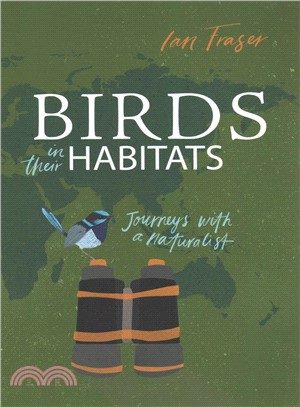
Everywhere we go there are birds, and they all have mysteries to be unravelled. These mysteries include the way they look, from bizarre to apparently mundane, why they live where they live, and the th
Although relatively little known, fungi provide the link between terrestrial organisms and ecosystems that underpin our functioning planet.The Allure of Fungi presents fungi through multiple perspecti
Most living carnivorous marsupials lead a secretive and solitary existence. From tiny insect eaters to the formidable Tasmanian Devil, Secret Lives of Carnivorous Marsupials offers rare insight into t
Australia’s introduced vertebrate pest species cost at least $1 billion annually in economic, environmental and social impacts. The Guide to Introduced Pest Animals of Australia is a comprehensive, pr
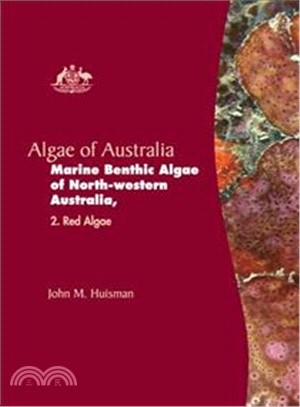
Marine plants, or seaweeds, are unjustly perceived as one of the least charismatic groups of marine organisms. In truth they include many spectacular and attractive species; moreover, they comprise a
A beautifully illustrated story of this marsupial's plight and how it was saved from extinction.The Eastern Barred Bandicoot is one of Australia's most threatened species. When their existence came un
Rocky, an ornate dragon, lives on the granite rocks in the southwest of Australia. His ancestors have lived in this hot environment for around 10 million years, and for more than 60,000 years, they ha
Australian Forest Woods describes about 130 of the most significant Australian forest trees and their wood. The introductory sections introduce the reader to the uniqueness and usefulness of forest tr
The Hunter Region, between the Hawkesbury and Manning rivers in eastern New South Wales, hosts a rich diversity of vegetation, with many species found nowhere else. Spanning an area from the coast to
It is the evening of 26 August 2009 on Christmas Island. The last known pipistrelle emerges from its day-time shelter. Scientists, desperate about its conservation, set up a maze of netting to try to