In Narrative Discourse: Authors and Narrators in Literature, Film, and Art, Patrick Colm Hogan reconsiders fundamental issues of authorship and narration in light of recent research in cognitive and a
Narratology and Ideology: Negotiating Context, Form, and Theory in Postcolonial Narratives, edited by Divya Dwivedi, Henrik Skov Nielsen, and Richard Walsh, brings together many of the most promi
This collection, edited by Elizabeth A. Flynn and Tiffany Bourelle, contributes to the valuable work of chronicling the professional and personal lives of women in academia. Through its line-up of con
This collection, edited by Elizabeth A. Flynn and Tiffany Bourelle, contributes to the valuable work of chronicling the professional and personal lives of women in academia. Through its line-up of con
In Between Pen and Pixel: Comics, Materiality, and the Book of the Future, Aaron Kashtan argues that paying attention to comics helps us understand the future of the book. Debates over the future
In Between Pen and Pixel: Comics, Materiality, and the Book of the Future, Aaron Kashtan argues that paying attention to comics helps us understand the future of the book. Debates over the future
In North America, immigration has never been about immigration. That was true in the early twentieth century when anti-immigrant rhetoric led to draconian crackdowns on the movement of bodies, and it
In North America, immigration has never been about immigration. That was true in the early twentieth century when anti-immigrant rhetoric led to draconian crackdowns on the movement of bodies, and it
In Metafilm: Materialist Rhetoric and Reflexive Cinema, Christopher Carter examines paradoxical rhetoric in visual culture, analyzing movies that immerse viewers in violent narratives while exami
In Metafilm: Materialist Rhetoric and Reflexive Cinema, Christopher Carter examines paradoxical rhetoric in visual culture, analyzing movies that immerse viewers in violent narratives while exami
This new study explores how evangelicalism played a vital role in the development of the Victorian novel. In contrast to those who see the evangelical movement as trivial to our histories of the novel
The proliferation of smart devices, digital media, and network technologies has led to everyday people experiencing everyday things increasingly on and through the screen. In fact, much of the world h
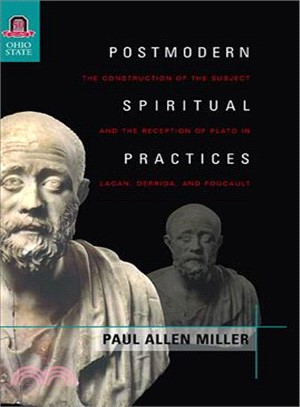
Postmodern Spiritual Practices: The Construction of the Subject and the Reception of Plato in Lacan, Derrida, and Foucault, by Paul Allen Miller, argues that a key element of postmodern French intelle
The plague first arrived in the English port of Weymouth in the summer of 1348. Two years later, half of Britain was dead, but the Black Death was just beginning. In the decades to come, England would
Seeming Human: Artificial Intelligence and Victorian Realist Character offers a new theory of realist character through character’s unexpected afterlife: the intelligent machine. The book c
Despite their self-presentation as iconoclasts, the writers of the Beat Generation were deeply engaged with the classical tradition. Many of them were university-trained and highly conscious of their
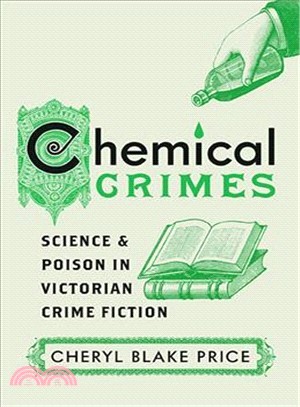
In Chemical Crimes: Science and Poison in Victorian Crime Fiction, Cheryl Blake Price delves into the dark world of Victorian criminality to examine how poison allowed authors to disrupt gen
Christina N. Baker’s Contemporary Black Women Filmmakers and the Art of Resistance is the first book-length analysis of representations of Black femaleness in the feature films of Blac
Christina N. Baker’s Contemporary Black Women Filmmakers and the Art of Resistance is the first book-length analysis of representations of Black femaleness in the feature films of Blac
Uncloistered by the web, science is finding its way into previously unimagined audiences. Whether collecting data in one’s backyard to help wildlife experts manage wolf populations or even fundi
Uncloistered by the web, science is finding its way into previously unimagined audiences. Whether collecting data in one’s backyard to help wildlife experts manage wolf populations or even fundi
If Victorian women writers yearned for authorial forebears, or, in Elizabeth Barrett Browning’s words, for “grandmothers,” there were, Gail Turley Houston argues, grandmothers who in the late eighteen
In her groundbreaking Affective Intellectuals and the Space of Catastrophe in the Americas, Judith Sierra-Rivera studies five different contexts of crisis: natural disasters in Mexico, force
In her groundbreaking Affective Intellectuals and the Space of Catastrophe in the Americas, Judith Sierra-Rivera studies five different contexts of crisis: natural disasters in Mexico, force
In her new study, Culinary Poetics and Edible Images in Twentieth-Century American Literature, Stacie Cassarino traces the tradition of avant-garde food experimentation across the twentieth and twenty
Russian Grotesque Realism: The Great Reforms and the Gentry Decline offers a comprehensive reevaluation of the Russian realist novel and proposes that a composite style, “grotesque realism,
Migrating Fictions analyzes the role of race, gender, and citizenship in the major internal displacements of the 20th century in history and in narrative. Surveying the particular tactics employe
Migrating Fictions analyzes the role of race, gender, and citizenship in the major internal displacements of the 20th century in history and in narrative. Surveying the particular tactics employe
Bringing together scholars from literary, historical, and religious studies,Constructing Nineteenth-Century Religioninterrogates the seemingly obvious category of “religion.” This collecti
In James Baldwin, Toni Morrison, and the Rhetorics of Black Male Subjectivity, Aaron Ngozi Oforlea explores the rhetorical strategies that Baldwin’s and Morrison’s black male characte
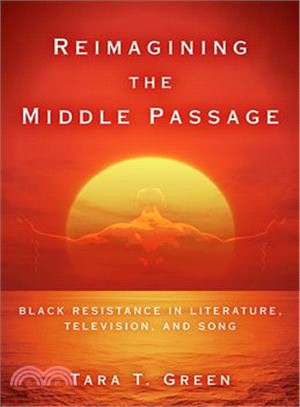
In Reimagining the Middle Passage: Black Resistance in Literature, Television, and Song, Tara T. Green turns to twentieth- and recent twenty-first-century representations of the Middle Passa
In Reimagining the Middle Passage: Black Resistance in Literature, Television, and Song, Tara T. Green turns to twentieth- and recent twenty-first-century representations of the Middle Passa