Recent decades have seen the art gallery become an increasingly important exhibition space for the moving image. This book sees leading scholars bring contemporary perspectives to the contexts, practi
State sponsorship of terrorism is a complex and important topic in today's international affairs – and especially pertinent in the regional politics of the Middle East and South Asia, where Pakistan h
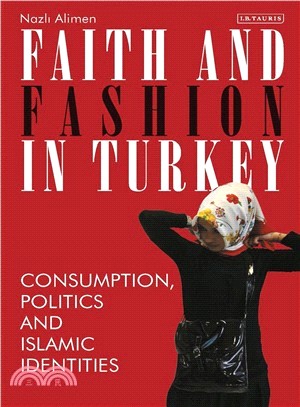
Turkey has witnessed remarkable sociocultural change under the regime of Recep Tayyip Erdogan and his Justice and Development Party (AKP), particularly regarding its religious communities. As individu
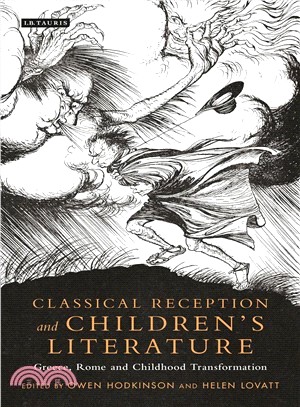
Reception studies have transformed the classics. Many more literary and cultural texts are now regarded as "valid" for classical study. And within this process of widening, children's literature has i
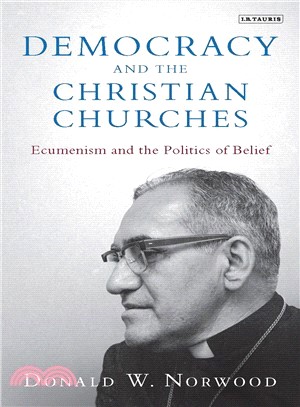
How has Christianity engaged with democracy? In this authoritative new treatment of a sometimes troubled relationship, Donald Norwood reflects on the way that democracy has become, especially under th
More than 5,000 film festivals take place globally and many of these have only been established in the last two decades. International Film Festivals collects the leading scholarship on this increasin
For almost 200 years, the city of Birmingham has been a key location for the training of clergy. From 1828 Anglican clergy studied at the Queen's College and in 1881 the Methodist Church developed the
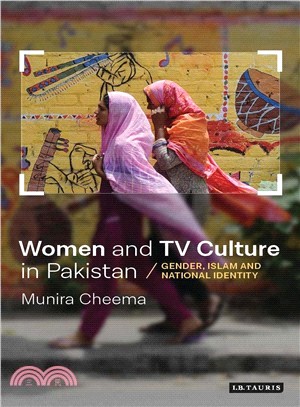
The television broadcasting culture of Pakistan was changed dramatically in 2002. The President, General Pervez Musharraf, introduced a policy of liberalisation that enabled controversial issues such
The foreign policies of Turkey and Iran seem increasingly to dictate the course of events in the Middle East. Since 1979, with the rise of Iran as an Islamic State and with Turkey's developing secular
After the fall of the Ottoman Empire, Mustafa Kemal Ataturk's government encouraged substantial American investment in education and aid. It was argued that Turkey needed the technical skills and weal
Fashion reveals not only who we are, but whom we aspire to be. From 1775 to 1925, artists in Europe were especially attuned to the gaps between appearance and reality, participating in and often criti
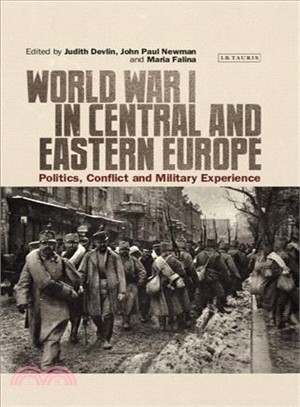
In the English language World War I has largely been analysed and understood through the lens of the Western Front. This book addresses this imbalance by examining the war in Eastern and Central Europ
Wahhabism is often described as one of the most conservative branches of Islam and its fundamentalist approach seen as fuelling jihadist extremism. But what is the theological basis of Wahhabism? How
Fabled for more than 3,000 years as fierce warrior-nomads and cameleers dominating the western Trans-Saharan caravan trade, today the Sahrawi are admired as soldier-statesmen and refugee-diplomats. Th
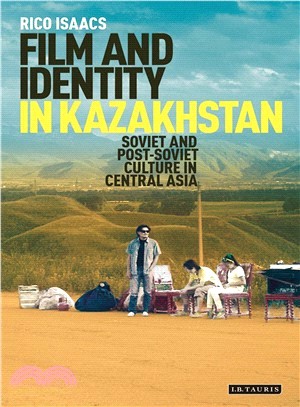
Cinema and nationalism are two fundamentally modern phenomena, but how have films shaped our understanding of the creation -the 'imagining' - of Central-Asian nations? Here, Rico Isaacs uses cinema as
Saudi Arabia, with its US alliance and abundance of oil dollars, has a very different economic story to that of Iran, which despite enormous natural gas reserves, has been hit hard by economic, trade,
French rule over Syria and Lebanon was premised on a vision of a special French protectorate established through centuries of cultural activity: archaeological, educational and charitable. Initial Fre
India's endemic gender-based violence has received increased international scrutiny and provoked waves of domestic protest and activism. In recent years, related studies on India and South Asia have p
When Sultan bin Salman flew on the shuttle Discovery in 1985, he was the first Arab, Muslim, and member of a royal family in space. Twenty-five years later, the discovery of a planet 500 light-years a
During World War II, Croatia became a fascist state under the control of the Ustasha Movement - allied with Nazi Germany and Fascist Italy. Here, Goran Miljan examines and analyzes for the first time
The Polar North is known to be home to large gas and oil reserves and its position holds significant trading and military advantages, yet the territorial boundaries of the region remain ill-defined. I
Why is the term shari'a—the mention of which conjures up images of a politicised religion in many parts of the world—understood in the ways that it is today? For Muslims and non-Muslims alike, much is
In the depths of the Cold War and in the wake of Britain's announcement of its intention to withdraw 'East of Suez' by the end of 1971, Britain was faced with the stark reality of a Marxist rebellion
People in Western societies have long been interested in their dreams and what they mean. However, few non-Muslims in the West are likely to seek interpretation of those dreams to help them make life-
As the only oil producer with sufficient spare capacity to shape the world economy, Saudi Arabia is one of the most significant states in twenty-first century geopolitics. Despite the enormous potenti
During the apartheid era, the British government faced an uneasy dilemma: while repudiating apartheid laws it maintained an ambiguous stance towards the South African government. This is the first boo
We live in a secular world and cinema is part of that secular edifice. There is no expectation, in modern times, that filmmakers should be believers – any more than we would expect that to be the case
The military rule of General Zia ul-Haq, former President of Pakistan, had significant political repercussions for the country. Islamization policies were far more pronounced and control over wo
Since 2014, more than 60 million people have been displaced from their homes across the Middle East and Africa. The European Refugee Crisis, as it has come to be known, is now the largest such crisis
'In 1982 a young professional footballer – known as 'Beckenbauer' for his aggressive and fearless style of play - was forced by a military dictatorship to shave his beard, his football team disbanded
The cultural history of the Cold War has been characterised as an explosion of fear and paranoia, based on very little actual intelligence. Both the US and Soviet administrations have since remarked h
The Nile is arguably the most famous river in the world. For millennia, the search for its source defeated emperors and explorers. Yet the search for its source also contained a religious quest – a se
Since the 1993 Oslo Accords, the Occupied Palestinian Territory has been the subject of extensive international peacebuilding and statebuilding efforts coordinated by Western donor states and internat
The political violence erupting near the end of the 20th century between the Peruvian state and communist militant group Sendero Luminoso, or 'Shining Path', left an indelible mark on the country that
In late nineteenth and early twentieth century Britain, there was widespread fascination with the technological transformations wrought by modernity. Films, newspapers and literature told astonishing
The African Union has been a major factor in establishing peace, security, and development in Africa. Today, however, the intranational body is struggling in the midst of a perceived dissipating appet
The African Union has been a major factor in establishing peace, security, and development in Africa. Today, however, the intranational body is struggling in the midst of a perceived dissipating appet
The rise of divisive and far-right politics and growing Islamophobia in Britain poses new challenges for Muslim advocacy organisations. In the last fifty years, Muslim identity politics has worked to
Are new forms of activism emerging in Algeria? Can civil society effect political reform in the country? The violence between radical Islamists and the military during the Algerian civil war of the 19