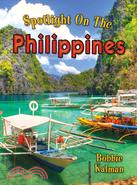
An introduction to one of the world's oldest civilizations. Covers everything from this country's ancient history under the ruling pharaohs to the customs and traditions of its people today. Egypt's w
"This beautiful book looks at different animal species, describing how they are similar and different, and why certain animals belong to specific groups. Using descriptive as well as compare-and-contr
"Animals live in many kinds of habitats, located in different parts of the world. This book compares and contrasts these habitats and encourages students to learn how animals have adapted to where the
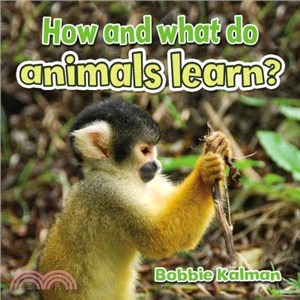
"This fascinating book explains that some animals must learn the basics of staying alive from their mothers, while others know how to survive without being taught. Students will discover how some bird
Describes the difference between man-eating and plant-eating animals, the kinds of foods that they eat, and the different body parts they use to obtain food.
Describes the different ways in which animals move, including the flight of birds, the climbing behavior of monkeys, and the migration of whales from cold to warm waters.
Describes the different ways in which animals change, from the growing process as they mature to adults to the need to protect themselves against predators.
Children will learn about endemic animals, which can only be found on certain islands. The amazing photographs show the land and water habitats of islands such as Galapagos, Madagascar, Sumatra and Bo
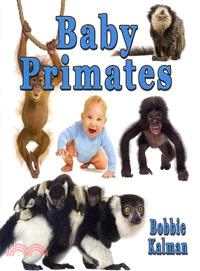
Young children will love this introduction to baby primates! Simple text and captivating photos inform young readers about these smart animals and the different groups to which they belong, including
Not all forests are the same. Children will learn about northern, or boreal, forest habitats and the animals that live in them. Cute baby wolves, cougars, bears, lynx, porcupines, and moose are some o
Children will learn about river habitats and the animals that live in them and along their banks. Baby beavers, crocodiles, brown bears, otters, swans, geese, tigers, and hippos are some of the animal
Close-up images of baby animals highlight the basic facts about different kinds of mammals, such as hoofed mammals, elephants, rodents, rabbits, marsupials, and primates. Children will learn about the
Children will find this book a lot of fun to write! After researching information about animal life, kids can pretend to interview animals about the foods they eat, the ways they move and hide, and th
With the help of this book, children can write a book about different countries or concentrate on one country. Children will learn how to draw maps showing the continent on which the country is locate
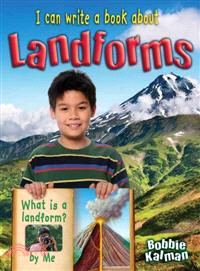
This book teaches children about mountains, volcanoes, coasts, valleys, islands, caves, and canyons. For their own books, suggestions for research will begin with the landforms around the children's h
Baby animals must know how to stay alive. The most important things every baby needs to know is how to find food and how to avoid predators. Baby predators wrestle and fight each other as a way of lea
Climate is the average weather in an area over many years. This timely book looks at weather patterns around the world, the factors influencing climate, such as ocean currents and jet streams, and how
Baby animals are endangered for many of the same reasons as adult animals, but not always. Sometimes not enough babies are born to replace the adult animals that die. Some babies get eaten by predator
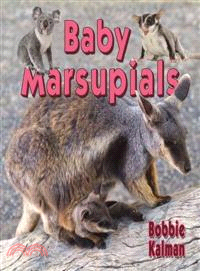
Kangaroos, wallabies, koalas, sugar gliders, and opossums are just a few of the marsupial babies introduced in this book. Children will love the pictures of these cute animals peeking out at the world