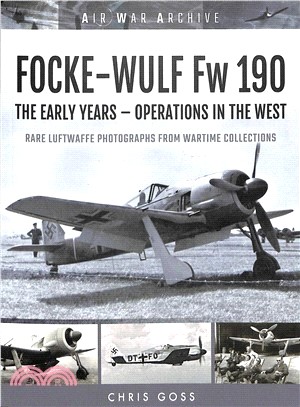
The Focke-Wulf Fw 190 was widely regarded as the Luftwaffe’s finest fighter. It first saw service in France in August 1941, immediately proving itself at least the equal of the then latest Spitfire va
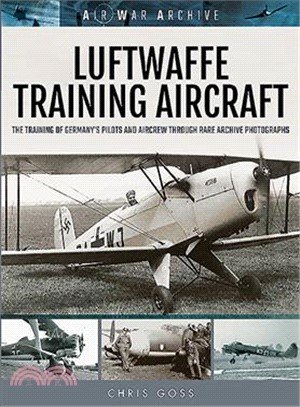
The often unseen and unrecognised element in aerial warfare, is that of training the pilots and crews, yet it its value is beyond calculation. In this fundamental role, a wide variety of aircraft were
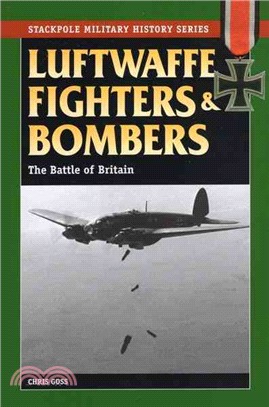
The Battle of Britain (July to October 1940), one of World War II's turning points, as seen by the German attackers who ultimately lost the battle Personal accounts from the men who flew the Messersch
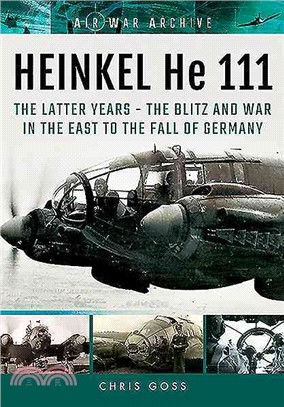
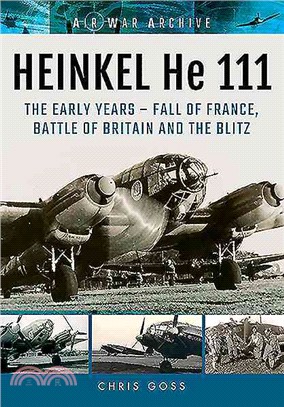
The Heinkel He 111 was the main workhorse of the Luftwaffe’s bomber force throughout much of the Second World War. Consequently, when Hitler launched Operation Barbarossa in June 1941, three entire Ka
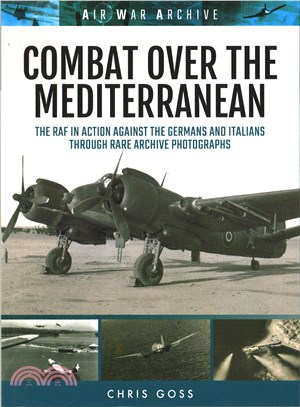
Drawing on an extremely rare collection of photographs taken by the camera guns of Bristol Beaufighters deployed on ground-attack and anti-shipping operations, this book will form a rare indeed uniqu
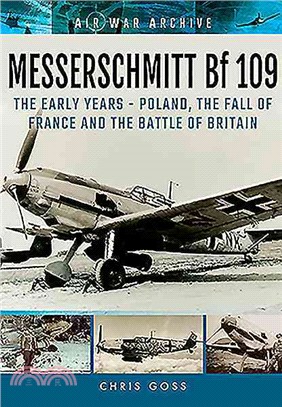
The most iconic German aircraft of the Second World War, the Messerschmitt Bf 109 was the Luftwaffe’s principal fighter from 1939 until 1942 when the superior Focke-Wulf Fw 190 came into greater promi
Due to the failure of the day campaign during what has become known as the Battle of Britain, on 7 September 1940, the Luftwaffe commenced bombing London and major cities, predominantly by night. What
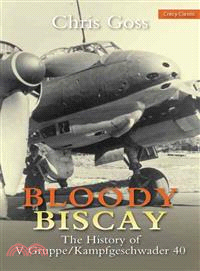
Bloody Biscay is the story of the Luftwaffe's only long range maritime fighter unit -- V Gruppe/Kampfgeschwader 40 (V/KG 40) and its battles against the RAF, the US Army Air Force (USAAF) and the US N