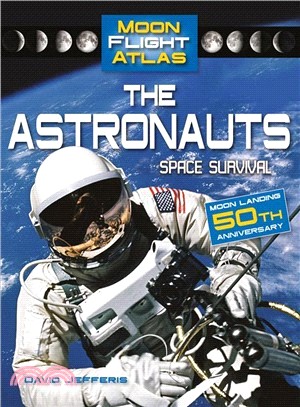
Describes the different methods used to explore and research outer space, including space telescopes and observatories, and explains how new technologies are uncovering more information on space throu
Introduces space objects such as the ice dwarf Pluto which exist beyond Neptune, discussing how they were formed, their distance from the Sun, their orbit, and the definition of asteroids, meteoroids,
Describes the similarities and differences between Mercury and Venus, the two planets that are the closest to the Sun, comparing their surfaces, temperatures, atmospheres, rotation, gravity, and resul
Presents a study of the planets Jupiter and Saturn, including information about their size, distance from the Sun, orbits, moons, rings, and the gases that they are made of.
An introduction to the history of the Internet and World Wide Web, how they work, and how they have changed the way people do research, buy merchandise, teach, publish, and communicate.
Presents a study of the planets Uranus and Neptune, including information about their size, distance from the Sun, orbits, moons, and the gases that they are made of.
Examines the history of space flight into Earth orbit, from the development of early satellites, to the International Space Station, and possible future directions that artificial satellites and space
Examines the state of Mars observation and exploration, as well as considering the steps necessary to complete a manned mission to Mars and long term research missions on the surface.
Presents a history of the manned exploration of the Moon, from the start of the space race in the 1950s to the last Apollo mission in 1975, and discusses current preparations for future flights and po
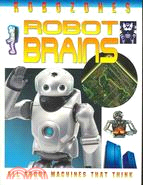
Describes robots that can move around on their own, such as rovers, spacecraft, underwater robotic craft, racecars, planes, and biorobots that mimic insect movements.
Describes robots that can move around on their own, such as rovers, spacecraft, underwater robotic craft, racecars, planes, and biorobots that mimic insect movements.
Presents answers to such technology questions as "How do scientists make things that are too small to see?" and "What are the effects of nanotechnology on the environment?"
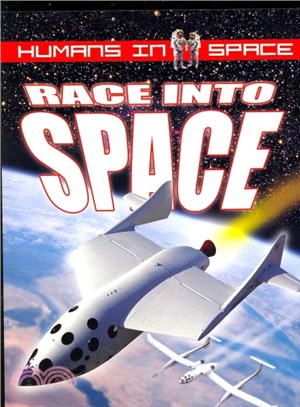
Examines the history of human space flight, from the development of early rockets to the flight of SpaceShipOne, the first privately funded human space flight, and possible future directions that spac
A series that explores the history of the space program, set against the backdrop of the Cold War between the United States and the Soviet Union, is publishing to coincide with the 50th anniversary of
Discusses future plans for space colonies, describing the use of drones and robots, research for resources, colony self-sufficiency, transportation, and asteroid mining.
"Can't find a job on Earth? This inspiring book looks at the possibilities of industry and commerce in space. Amazing artwork illustrates the scientific possibilities of mining asteroids and moons, se
A series that explores the history of the space program, set against the backdrop of the Cold War between the United States and the Soviet Union, is publishing to coincide with the 50th anniversary of