Four stories are told simultaneously, with each double-page spread divided into quadrants. The stories do not necessarily take place at the same moment in time, but are they really one story?
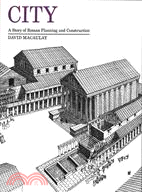
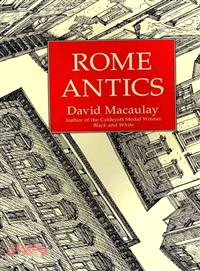
In his creation of an imaginary ancient Roman city, the author demonstrates that the Romans were successful in the realms of urban planning and construction
In his creation of an imaginary ancient Roman city, the author demonstrates that the Romans were successful in the realms of urban planning and construction
A stand-alone, full-color edition of Macaulay's classic is lavishly redesigned and digitally finished with newly researched text and re-imagined scenes rendered with felt-tip markers and colored penci
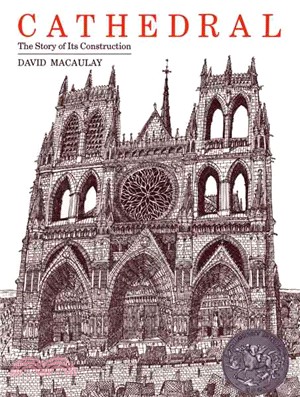
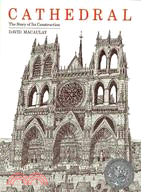
Text and detailed drawings follow the planning and construction of a magnificent Gothic cathedral in the imaginary French town of Chutreaux during the thirteenth century.
This fictional account of the dismantling and removal of the Empire State Building describes the structure of a skyscraper and explains how such an edifice would be demolished.
This fictional account of the dismantling and removal of the Empire State Building describes the structure of a skyscraper and explains how such an edifice would be demolished.
An author and artist who has continually stripped away the mystique of architectural structures that have long fascinated modern people, David Macaulay here reveals the methods and materials used t
In this comprehensive and entertaining resource, David Macaulay reveals the inner workings of the human body as only he could. In order to present this complicated subject in an accurate and entertain
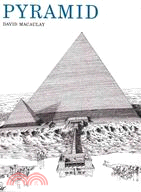
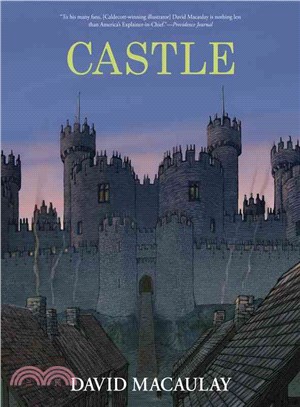
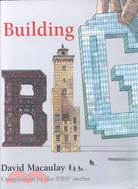
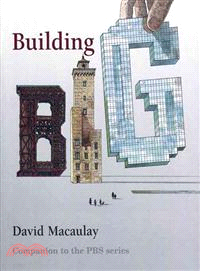
This new book—inspired by four classic, award-winning books—reveals the how and why behind some of the most fascinating and enduring structures humankind has ever created. Macaulay has re
Why this shape and not that? Why steel instead of concrete or stone? Why put it here and not over there? These are the kinds of questions that David Macaulay asks himself when he observes an architec
The mills at Wicksbridge are imaginary, but their planning, construction, and operation are quite typical of mills developed in New England throughout the nineteenth century.
The mills at Wicksbridge are imaginary, but their planning, construction, and operation are quite typical of mills developed in New England throughout the nineteenth century.
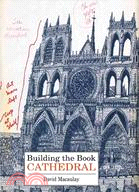
It has been twenty-six years since the publication of CATHEDRAL. David Macaulay's first book, CATHEDRAL, introduced readers around the world to his unique gift for presenting architecture and technol
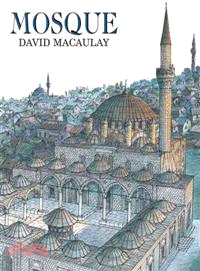
The word itself conjures up mystery, romance, intrigue, and grandeur. What could be more perfect for an author/illustrator who has continually stripped away the mystique of architectural structures t
The word itself conjures up mystery, romance, intrigue, and grandeur. What could be more perfect for an author/illustrator who has continually stripped away the mystique of architectural structures t
David Macaulay takes us on a visual journey through a city's various support systems by exposing a typical section of the underground network and explaining how it works. We see a network of walls, co
David Macaulay takes us on a visual journey through a city's various support systems by exposing a typical section of the underground network and explaining how it works. We see a network of walls, c
Celebrated author-illustrator and master explainer David Macaulay brings his unique voice and style to high-interest nonfiction books for newly independent readers. Everyone knows what a toilet is for
The Caldecott Medal-winning architectural artist of such best-sellers as Black and White combines engaging text and illustrations in a visual tour of a house's sewer systems that traces the journey fr
High above the rooftops of Rome, Angelo begins his work restoring the facade of a once glorious church. There, among the sticks and feathers, he discovers a wounded bird. Angelo becomes the bird’s rel
A pigeon carrying an important message takes the reader on a unique tour through Rome. As we follow the path of this somewhat wayward bird, we discover that Rome is a place where past and present live
A pigeon carrying an important message takes the reader on a unique tour through Rome. As we follow the path of this somewhat wayward bird, we discover that Rome is a place where past and present live
Why this shape and not that? Why steel instead of concrete or stone? Why put it here and not over there? These are the kinds of questions that David Macaulay asks himself when he observes an architect
Albert and his trusty mare June set off early on market day to sell their melons in town and return home before dark. Is this another insignificant day in the life of a farmer? Perhaps-but look again.
Following in the tradition he established with Cathedral: The Story of Its Construction and in the many books he has published in the thirty years since, David Macaulay provides explanations of the ho