Nicolle is primarily concerned with the extent to which changes in military technology within a culture during the Middle Ages reflected influence from other cultures, and to what extent resulted from
This second volume of "Crusader Warfare" focuses on those non-Christian cultures which were most directly involved in the Crusades. Centering on the Islamic world, the Mongol "World Empire", its frag
This book presents as many aspects as possible of warfare during the period of the crusades within all the cultures most directly involved. To a large extent the current interest in the Crusades refle
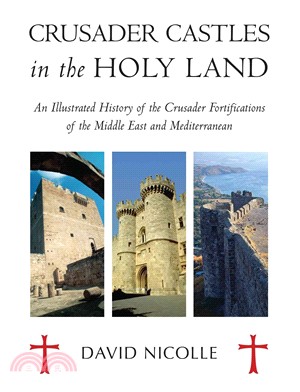
The bloody crusades that swept across the Middle East in medieval times left their mark on the landscape, where fortifications which once acted as bastions of power for the beleaguered Crusader States
Born amid immense suffering and bloodshed, the Kingdom of Jerusalem remained a battlefield for almost 200 years. The Crusades gave rise to the Military Orders of the Templars and Hospitallers, and wer
Mercenaries were a common feature throughout most of Europe in the 14th and 15th centuries, and had been known far earlier. But nowhere did such a sophisticated system of hiring, payment and organisat
Osprey's Campaign title for one of the battles in which Muslims attempted to overtake Syria. In 636 AD, after protracted skirmishing and minor engagements the Arab and Byzantine armies faced each othe
Charlemagne's conquests became the driving force in European politics between the Muslim defeat at Poitiers and the Crusades. He dominates the military history of Medieval Europe since his empire spa
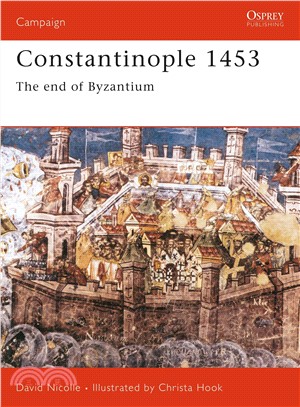
This Osprey title details the epic four-month siege of the city of Constantinople in 1453, last vestige of the once mighty Roman and Byzantine Empires. Mehmet 'The Conqueror' led an army of 80,000 men
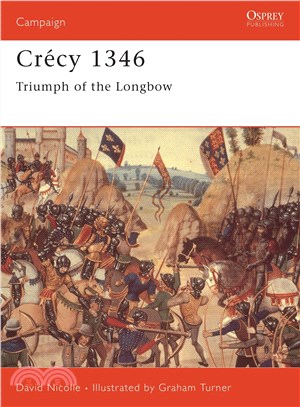
The Battle of Crecy was the first major land battle of the Hundred Years War (1337-1453). It pitted the French army, then considered the best in Europe, and their miscellaneous allies against the Engl
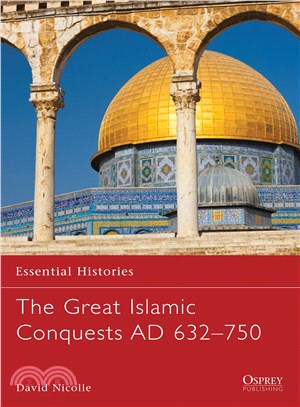
Few, if any, centuries in world history have had such a profound and long-lasting impact as the first hundred years of Islamic history. In this book, David Nicolle, a former member of the BBC's Arabic