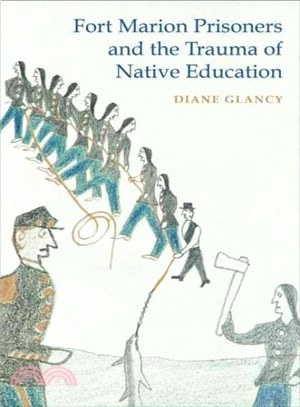
At the end of the Southern Plains Indian wars in 1875, the War Department shipped seventy-two Kiowa, Cheyenne, Arapaho, Comanche, and Caddo prisoners from Fort Sill, Oklahoma, to Fort Marion in St. Au
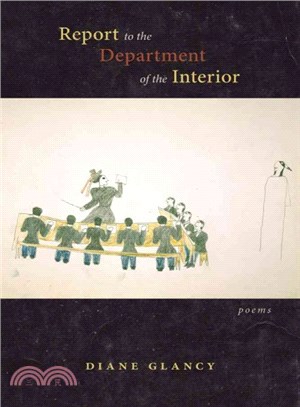
Constructed as a series of reports to the Department of the Interior, these poems of grief, anger, defiance, and resistance focus on the oppressive educational system adopted by Indian boarding school
In American Gypsy, a collection of six plays, Diane Glancy uses a melange of voices to invoke the myths and realities of modern Native American life. Glancy intermixes poetry and prose to address them
In this innovative novel, a librarian of Cherokee ancestry rekindles and reinvents her Native identity by discovering the rhythm and spark of traditionally told stories in the most unusual places in t
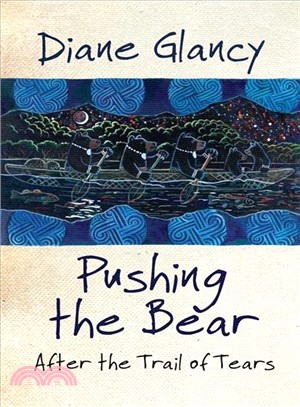
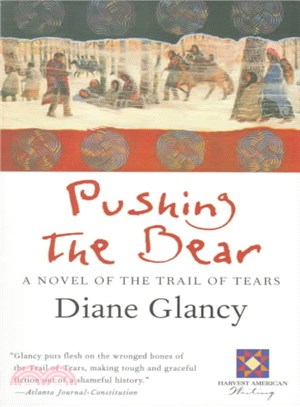
It is February 1839, and the survivors of the Cherokee Trail of Tears have just arrived in Fort Gibson, Indian Territory. A quarter of the removed Indian population have died along the way, victims of
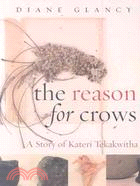
In The Reason for Crows, award-winning author Diane Glancy continues her project begun in Pushing the Bear: A Novel of the Trail of Tears and Stone Heart: A Novel of Sacajawea. Imagining the interior
Poet, novelist, essayist, playwright, and author of more than thirty books, Diane Glancy has established herself as one of the country’s most versatile and prolific writers. Distinguished by her lacon
Diane Glancy sees books as being akin to maps,and often finds the Native American voices she writes about as she travels. Once, when driving through western Nevada, she stopped at Grant Mountain and W
This remarkable collection of poems explores the conjoined cultures of Indian and European, the revisions the conquered race must face, and the disruption that results from the attempt to combine dive
There is a saying in Native American tradition that "wholeness is when the shadow of the rider and his horse are one." Although we usually focus our attention on what seems most real, Diane Glancy sh
In The Mask Maker, Diane Glancy tells the story of Edith Lewis, a recently divorced mixed-blood American Indian, as she travels the state of Oklahoma teaching students the art and custom of mask-maki
A man driving a lonely Minnesota highway hears the voice of the land and embarks on an arduous odyssey of self-discovery. Although he is an adjunct lecturer teaching a course called "Literature and th
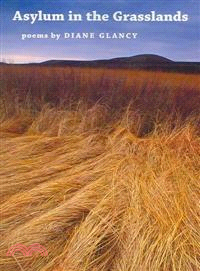
Diane Glancy's eye and ear for the details of land and language make this poetry collection a powerful and important work about modern America. Glancy marries impressive wordplay with great emotional
Poetry. Alongside the rise of Native American writers such as Sherman Alexie and Louise Erdrich, writers like Diane Glancy have been quietly expoloring other possiblities for Native American writing.
In a novel that “retains the complexity, immediacy, and indirection of a poem,” Glancy brings to life the Cherokees’ 900-mile forced removal to Oklahoma in 1838 and gives us “
Like poets of legend, Diane Glancy has spent much of her life on the road. For years she supported her family by driving throughout Oklahoma and Arkansas teaching poetry in the schools. Claiming Breat
This thoroughly original volume collects three short stories and a powerful novella by the Cherokee-German-English poet and prose writer Diane Glancy. Glancy's tales of Native American life explore t
"There was the darkness of a dream again. And in that darkness, the burning firesticks the men used to carry from the holy Keetowah fire to light the smaller fires in the cabins. It had been a yearly
1990 Winner of the Mildren P. Nilon Award for Minority Fiction In Trigger Dance, her first collection of stories, Diane Glancy takes us to uneasy places where both the environment and the characters a