Beyond Good and Evil: Prelude to a Philosophy of the Future (German: Jenseits von Gut und Böse: Vorspiel einer Philosophie der Zukunft) is a book by philosopher Friedrich Nietzsche that expands the id
"Beyond Good and Evil" is Nietzsche at his best. In the book the philosopher attempts to systematically sum up his philosophy through a collection of 296 aphorisms grouped into nine different chapters
People commended unto Zarathustra a wise man, as one who could discourse well about sleep and virtue: greatly was he honoured and rewarded for it, and all the youths sat before his chair. To him went
"Beyond Good and Evil" is Nietzsche at his best. In the book the philosopher attempts to systematically sum up his philosophy through a collection of 296 aphorisms grouped into nine different chapters
Nietzsche was one of the most revolutionary and subversive thinkers in Western philosophy, and Thus Spoke Zarathustra remains his most famous and influential work. It describes how the ancient Persian
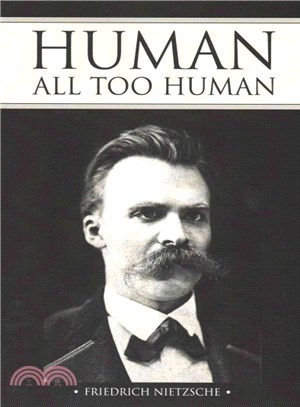
The first of his books to use aphorisms — though certainly not the last — Human, All Too Human breaks away from Friedrich Nietzsche’s earlier book, The Birth of Tragedy, in both style and philosophy.
Save for his raucous, rhapsodical autobiography, “Ecce Homo,” “The Antichrist” is the last thing that Nietzsche ever wrote, and so it may be accepted as a statement of some of his most salient ideas i
Save for his raucous, rhapsodical autobiography, “Ecce Homo,” “The Antichrist” is the last thing that Nietzsche ever wrote, and so it may be accepted as a statement of some of his most salient ideas i