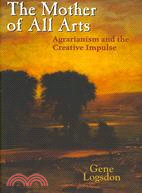
When Gene Logsdon realized that he experienced the same creative joy from farming as he did from writing, he suspected that agriculture itself was a form of art. Thus began his search for the origins
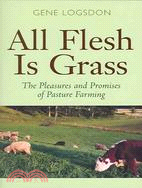
In All Flesh Is Grass: The Pleasures and Promises of Pasture Farming, Gene Logsdon explains that well-managed pastures are nutritious and palatable—virtual salads for livestock. Leafy pastures also ho
In All Flesh Is Grass: The Pleasures and Promises of Pasture Farming, Gene Logsdon explains that well-managed pastures are nutritious and palatable—virtual salads for livestock. Leafy pastures
Author Gene Logsdon—whom Wendell Berry once called “the most experienced and best observer of agriculture we have”—has a notion: That it is a little easier for gardeners and farmers to accept death th
In The Last of the Husbandmen, Gene Logsdon looks to his own roots in Ohio farming life to depict the personal triumphs and tragedies, clashes and compromises, and abiding spirit of American farming f
To his legions of readers, Gene Logsdon is best known as the Contrary Farmer. His writings, which blend commonsense advice, curmudgeonly wit, and respect for the earth, are manna to anyone who wants t
A story of a time and place long gone, of eccentric characters and old-time religion. The setting is rural Minnesota in the early 1950s, where a group of seminarians make their way to Ascension Semina
Gene Logsdon has found an imaginative way to introduce gardeners to a more total enjoyment of nature -- fauna as well as flora. From suburb to countryside, every gardener knows that there are many pe