A galvanizing history of how jazz and jazz musicians flourished despite rampant cultural exploitation The music we call “jazz” arose in late nineteenth century North Ameri
Winner of a 2005 Gustavus Myers Outstanding Book Award (Honorable Mention)The Mexican Revolution was a defining moment in the history of race relations, impacting both Mexican and African Americans. F
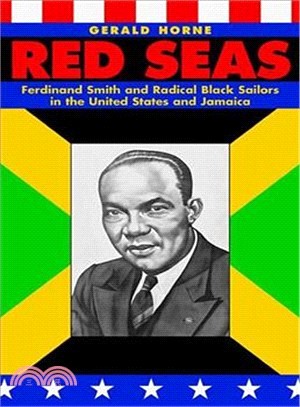
During the heyday of the U.S. and international labor movements in the 1930s and 1940s, Ferdinand Smith, the Jamaican-born co-founder and second-in-command of the National Maritime Union (NMU), stands
For more than fifty years, the Chicago-based Associated Negro Press (ANP) fought racism at home and grew into an international news organization abroad. At its head stood founder Claude Barnett, one o
The histories of Cuba and the United States are tightly intertwined and have been for at least two centuries. In Race to Revolution, historian Gerald Horne examines a critical relationship between the
Virtually no part of the modern United States—the economy, education, constitutional law, religious institutions, sports, literature, economics, even protest movements—can be understood wi
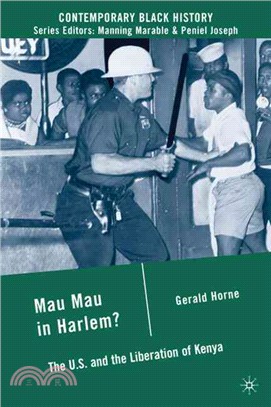
From the inception of a the British colony in Kenya in the late 19th nineteenth century, the United States has been intimately involved in the country’s development. African-Americans were part
During its heyday in the nineteenth century, the African slave trade was fueled by the close relationship of the United States and Brazil. The Deepest South tells the disturbing story of how U.S. nati
Japan’s lightning march across Asia during World War II was swift and brutal. Nation after nation fell to Japanese soldiers. How were the Japanese able to justify their occupation of so many Asian nat
A leading African American Communist, lawyer William L. Patterson (1891–1980) was instrumental in laying the groundwork for the defeat of Jim Crowby virtue of his leadership of the Scottsboro campaign
The surprising alliance between Japan and pro-Tokyo African Americans during World War II In November 1942 in East St. Louis, Illinois a group of African Americans engaged in military drill
Powerful labor movements played a critical role in shaping modern Hawaii, beginning in the 1930s, when International Longshore and Warehousemen’s Union (ILWU) representatives were dispatched to the is
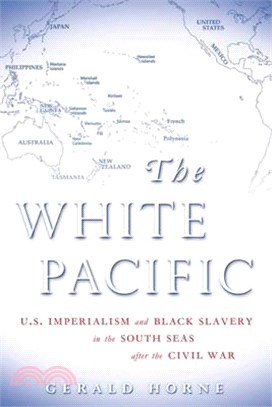
Worldwide supplies of sugar and cotton were impacted dramatically as the U.S. Civil War dragged on. New areas of production entered these lucrative markets, particularly in the South Pacific, and plan
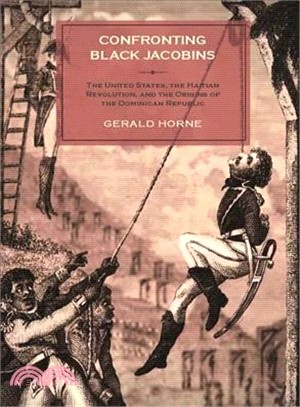
The Haitian Revolution, the product of the first successful slave revolt, was truly world-historic in its impact. When Haiti declared independence in 1804, the leading powers—France, Great Britain, an
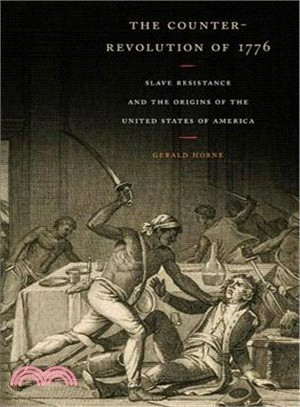
The successful 1776 revolt against British rule in North America has been hailed almost universally as a great step forward for humanity. But the Africans then residing in the colonies overwhelmingly
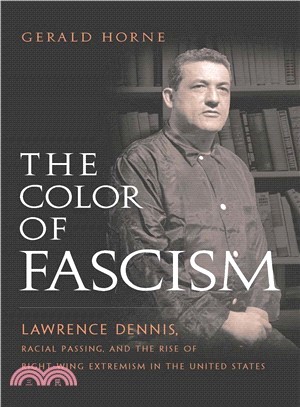
What does it mean that Lawrence Dennis—arguably the “brains” behind U.S. fascism—was born black but spent his entire adult life passing for white? Born in Atlanta in 1893, Dennis began life as a highl
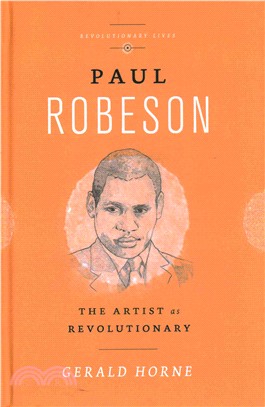
A world-famous singer and actor, a trained lawyer, an early star of American professional football and a polyglot who spoke over a dozen languages: these could be the crowning achievements of a life w