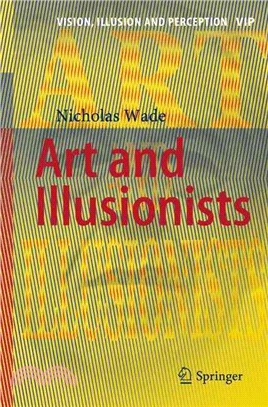
We delight in using our eyes, particularly when puzzling over pictures. Art and illusionists is a celebration of pictures and the multiple modes of manipulating them to produce illusory worlds on flat
Drawing on the work of scientists who have made crucial—and startling—breakthroughs in establishing the reality of recent human evolution, a longtime journalist covering genetic advances for The New Y
A New York Times science reporter makes a startling new case that religion has an evolutionary basis. For the last 50,000 years, and probably much longer, people have practiced religion. Yet little a
Draws on a broad range of scientific evidence to theorize an evolutionary basis for religion, considering how religion may have served as an essential component of early society survival and that the
Nicholas Wade?s articles are a major reason why the science section has become the most popular, nationwide, in the New York Times. In his groundbreaking Before the Dawn, Wade reveals humanity?s origi
This volume traces the history of thinking about perception from its early philosophical roots to the modern laboratory. Some of the questions it considers have been asked since antiquity - Is what we
With the decoding of the human genome, researchers can now read the genetic program that evolution has written for the human body. A new generation of medical treatments is at hand, and researchers ho
This illustrated survey covers the "observational era of vision", beginning with the Greek philosophers and ending with Wheatstone's description of the stereoscope at the end of the 1830s (after which
Drawing on startling new evidence from the mapping of the genome, an explosive new account of the genetic basis of race and its role in the human story Fewer ideas have been more toxic or harmful
Drawing on startling new evidence from the human genome, an exploration of how and why the human population differentiated into distinctive races beginning fifty thousand years ago Fewer ideas have b
This illustrated survey covers the "observational era of vision", beginning with the Greek philosophers and ending with Wheatstone's description of the stereoscope at the end of the 1830s (after which
This collection of perceptual portraits of more than 100 thinkers who have fashioned our understanding of mind and behaviour provides an alternative view of the history of psychology. Francis Bacon, R
This collection of perceptual portraits of more than 100 thinkers who have fashioned our understanding of mind and behaviour provides an alternative view of the history of psychology. Francis Bacon, R