A practical guide to the maintenance and repair of essential laboratory and hospital equipment. Intended for use in institutions that do not have specially trained technicians or engineers, the book r
Fisheries and aquaculture, and their related industries, play an essential role in the livelihoods of millions around the world - about 520 million people depend on the sector. Vital to the poorest, f
This WHO guidance tool has been developed to help countries to systematically evaluate the functioning of their civil registration and vital statistics systems. The aim is to help countries develop a
Violence against women is not a new phenomenon nor are its consequences to women's physical, mental and reproductive health. What is new is the growing recognition that acts of violence against women
These guidelines provide advice to health-care providers on the appropriate responses to IPV and sexual violence against women, including clinical interventions and emotional support. They also seek t
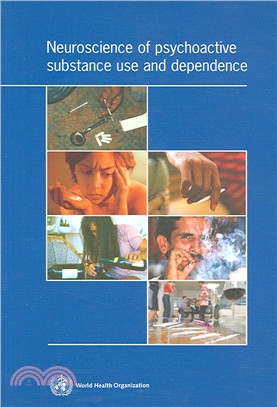
The report synthesizes the considerable new findings and theories that have emerged over recent decades. It covers brain mechanisms, biobehavioral processes underlying dependence, the psychopharmacolo
There have been calls to revisit the experiences of TB screening campaigns that were widely applied in Europe and North America in the mid-20th century, as well as more recent experiences with TB scre
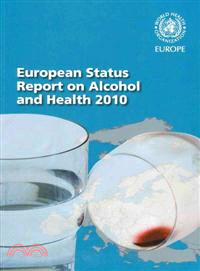
The WHO European Region is the heaviest drinking region in the world. This report contains consolidated information from the European Member States in the areas of alcohol consumption, harm, and respo
In view of the need for evidence-based best practices for providing safe abortion care in order to protect the health and human rights of women, the World Health Organization (WHO) has updated its 200
Same-sex behavior is identified in all societies. However, in the South-East Asia Region, the majority of men who have sex with men and transgender persons are highly stigmatized and discriminated aga
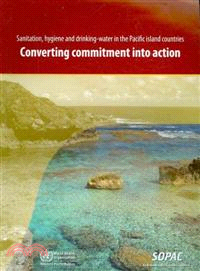
This new publication reveals that the number of people in the Pacific island countries served with some form of improved sanitation rose from 2.9 million in 1990 to 4.0 million in 2006. Despite this i
With increased public concern regarding food safety, greater demands are placed on risk communicators to involve the public and other interested parties in an interactive dialogue and to explain the m
The purpose of this guidance document is to assist Member States in establishing a public health diagnostic laboratory network to support surveillance activities and enhance rapid detection and respon
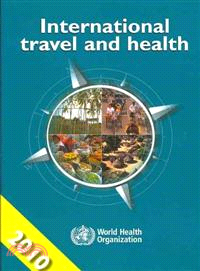
More than 900 million international journeys were undertaken in 2008. Global travel on this scale exposes many people to a range of health risks—different disease agents, and changes in temperature, a
This report documents the achievements and challenges of the Region's health sector response to the epidemic over the past decade. It identifies best practices and important opportunities to further r
This CD-ROM contains training modules on basic good manufacturing practices (GMP) such as material on general GMP for premises, equipment, materials, documentation, personnel, validation, and other as
Reducing maternal mortality by 75% is the Millennium Development Goal 5a. To reach this goal, countries need an accurate picture of the causes and levels of maternal deaths. However, efforts to docume
These guidelines seek to provide advice to national authorities on strategies to strengthen food control systems to protect public health, prevent fraud and deception, avoid food adulteration and faci
Medical devices and eHealth solutions have the potential to save lives. However, too many worldwide suffer because they do not have access to appropriate health care technology.The compendium series o
This report summarizes the evidence on the social determinants of health in the urban context, drawing on the findings of the global Commission on Social Determinants of Health and the European review
This report summarizes the progress of APSED (2010) implementation in the Western Pacific Region by documenting key achievements, activities and challenges for each of the eight focus area for the per
The Food and Agriculture Organization and the World Health Organization--both agencies of the United Nations--invited scientists from a wide range of biological sciences and representatives of various
Until very recently, elder abuse was a social problem hidden from public view and mostly regarded as a private matter. Evidence is accumulating, however, to indicate that elder abuse, which includes t
The committee systematically reviewed the available literature and consulted with specialists from different regions of the world to construct this set of minimum requirements and international guidel
This toolbox includes six different volumes that provide practical information and detailed guidance on ways to integrate the right to food into different levels of national legislation, policies and
More than 99% of all human rabies deaths occur in the developing world, and although effective and economical control measures are available, the disease has not been brought under control throughout
This will help the managers of development projects to design and manage their projects well, in particular by emphasizing the importance of forward planning. Covers both starting up and running proje
The main purpose of this manual is to raise awareness of the sorts of technical, operational, and financial resources that would be required to reduce and eventually eliminate malaria, the timelines o
This manual is designed to engage, empower and guide communities in the development and implementation of water safety plans (WSPs) for their drinking-water systems. It provides guidance on how to app
Basic texts on meat hygiene, animal feeding and antimicrobial resistance, including the code of hygienic practice for meat, the code of practice for good animal feeding, a glossary of terms and defini
This 11th IARC Handbook of Cancer Prevention, and the first in a series focusing on Tobacco Control, presents a comprehensive review of the scientific literature, and a thorough evaluation, made by an
A set of four volumes compiled by leading authorities in the electricity supply industry and manufacturing companies to provide a comprehensive treatment of power system protection.
This report presents the recommendations of a WHO expert committee commissioned to coordinate activities leading to the adoption of international recommendations for the production and control of vacc
This report presents the recommendations of a WHO Expert Committee commissioned to coordinate activities leading to the adoption of international recommendations for the production and control of vacc
This second edition represents a thorough updating and revision of the first edition. The structure remains similar, but includes an additional chapter on humanitarian coordination. All chapters have
This guideline defines ventilation and then natural ventilation. It explores the design requirements for natural ventilation in the context of infection control, describing the basic principles of des
WHO's international guidelines, written and physical standards developed under the aegis of this Expert Committee for more than 60 years are designed to serve all Member States, international organiza
This report asks fundamental questions about the global sportswear industry - questions that go to the heart of debates on poverty, workers' rights, trade, and globalisation. 'Olympism', in the words
Vandepitte (microbiology, St. Rafael Academic Hospital, Belgium) includes new sections on stool specimens and serological tests in this second edition of a manual for laboratory workers in health cent
This progress report presents the current status of HIV/AIDS in the South-East Asia region based on the latest surveillance and program data reported by Member States. Data are complemented by researc