Although misericords were originally installed on the hidden undersides of church folding seats to provide comfort to those standing for long periods of prayer, the have gradually become more ornately
Green Men are faces sprouting foliage that are found in churches, abbeys and cathedrals. They were popular figures adorning church architecture and furnishings in the Middle Ages, and enjoyed a secon
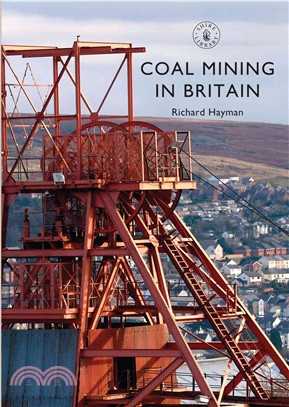
Coal heated the homes, fuelled the furnaces and powered the engines of the Industrial Revolution. In the nineteenth and twentieth centuries the coalfields – distinct landscapes of colliery winding fra
Timber-framed buildings are a distinctive and treasured part of Britain’s heritage. The oldest of them are medieval but their numbers peaked in the sixteenth and seventeenth centuries, with a revival
Chinoiserie is the taste for Chinese-inspired designs that were fashionable in Europe from the seventeenth to nineteenth centuries. British and other European designers adapted the visual culture of t
The iron industry was the catalyst for the industrial revolution, and without iron none of the great engineering achievements of the Victorian age would have been possible. The book explains how this
Wrought iron has been used as a decorative element in architecture from the eleventh century to the twentieth. At first a device to strengthen and embellish doors, wrought iron was soon adopted for fr
The Reformation transformed England forever. From peasants in the lanes and fields to the court of Henry VIII, no life was left untouched as the Roman Catholic Church was replaced as the centre of the
The rood screen was used to divide the nave and chancel--the secular and the sacred--in parish churches in the Middle Ages. The screen was a visual spectacle, adorned with images of saints and surmoun
Illuminated manuscripts are among the most beautiful, precious and mysterious works of Western art. Before the printing press was invented, books were produced by hand, and their illustration using br