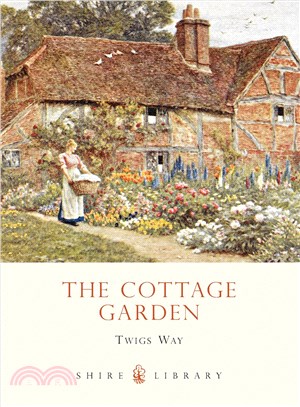
Hollyhocks and cabbages, roses and runner beans: the English cottage garden combines beauty and utility, pride and productivity. Immortalized in images of thatched cottages with flower-filled borders
A sunlit lawn, blossom-laden trees, rustic chairs grouped around tables laden with teapots, and burdened with scones, the tinkle of teacups, and the murmur of conversation, what could be more English
Ever since man discovered that plants could be eaten, their cultivation has been a necessity. But somewhere along the line it became first an interest, and then a pleasure. And as people developed a p
It is Edwardian England, and a delightful flower garden and fruitful allotment are matters of personal pride, boons for the dinner table, and even 'important acts of local patriotism'. The Edwardian G
Contrived, colourful, and cultured, the garden of the Tudor period was a paradise on earth, given over to pleasurable pastimes. Artificiality was the fashion of the age, with clipped and twined plants
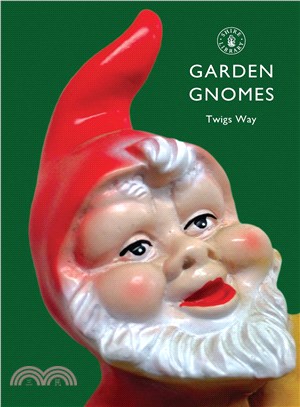
This is the intriguing story of garden gnomes and how they have come to reside in the flowerbeds of gardens across Britain. Originating in Europe, gnomes made the leap across the channel in the ninete
Allotments are small areas of land rented to individuals to grow their own food. Nowadays often thought of as havens for peace and quiet, the humble allotment has a surprisingly turbulent history. Bor