Built by James Everell Henry, the East Branch & Lincoln Railroad (EB&L) is considered to be the grandest and largest logging railroad operation ever built in New England. In 1892, the mountain town of
The US Army Corps of Engineers built the first Army railroad on Oahu in 1907 to use for construction of Fort Kamehameha. Seven batteries were built between 1907 and 1920, and the “temporary” railroad
Covered bridges were built in Oregon from the 1850s until the 1950s, with more than 350 standing in the 1920s. Often built of local Douglas fir, the bridges are an important and picturesque part of th
Built in 1928, the mill town known as Bemiston was a development of the Bemis Brothers Bag Company. This village was built as a model city and boasted all-cement sidewalks and paved streets, which was
Charles Trumbull Hayden built the first canal on the south side of the Salt River in 1870. Soon after, he built a store, a flour mill, and a cable ferry across the river, and he started a town. Since
In 1922, philanthropist and president of the San Francisco Parks Commission, Herbert Fleishhacker, purchased a 60-acre site in southwestern San Francisco. Fleishhacker Pool was built in 1925 and an ad
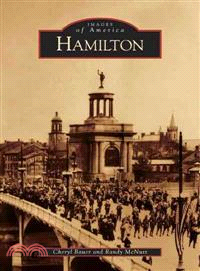
Founded as Fort Hamilton in 1791, the City of Hamilton was settled by pioneers and immigrants and was forged in steel by her talented workers and craftsmen. Factory owners became wealthy and built mag
In 1820, Jeremiah Murry organized Murrysville within old Franklin Township in Westmoreland County. Murrysville became a borough in 1976 and an official municipality in 1978. Cornelius Berlin built Exp
Born of one man's dream and built on 1,001 acres northwest of metropolitan Chicago, Arlington Park had its inaugural run in 1927 and celebrated its 90th season in 2017. Innovative and forward-thinking
In 1857, the Pennsylvania Railroad (PRR) took over Pennsylvania's Main Line of Public Works, a state-owned railroad and canal system built in the 1830s. Costly to build and maintain, and never attract
Established by real estate developers Tracy E. Shoults and S. H. Woodruff in 1923, Hollywoodland was one of the first hillside developments built in Hollywood. Touting its class and sophistication, th
Evansville, settled in 1839, developed as an important agricultural trade center. Log cabins, farms, and small industries were built, and the population grew from less than 10 families in the beginnin
In 1903, Chicago fell in love with flying. Enterprising people opened airfields and designed and built aircraft, and aviators won big money at air meets. After World War I, aviation was a serious matt
In 1793, John Ludlow settled and built mills along Mill Creek in a hilly, forested area 10 miles north of Fort Washington, Cincinnati, and the Ohio River. The Ludlows survived Indian raids and militar
One of the most successful programs at any level of collegiate athletics, Limestone College lacrosse began its legacy in Gaffney, South Carolina, in 1990 and has since built a tradition and reputation
In a region desperate for transportation to rich, gold-bearing creeks, the narrow-gauge Tanana Mines Railroad was built over permafrost, bogs, and hills to carry miners and supplies in 1905. Reorganiz
Established in 1757, Silver Spring Township is the fourth-oldest township in Cumberland County. The area was founded by the Scots-Irish, who cleared the area for farming and built taverns, inns, and m
In 1822, a group of Americans immigrating to Stephen F. Austin's colony stopped at a bend in the Brazos River and built a fort. Originally called "Fort Bend" and "Fort Settlement," Richmond was incorp
The first land-grant college in Texas--called the Agricultural and Mechanical College--was predominantly a military school, built in 1876 in a then-remote area of Central Texas. Like other developmen
Presents a pictorial history of life in Maywood and at its railroad station, built in 1872 as part of a railway system that connected New Jersey to New York.
Lincolnton was born as a starting point for westward expansion in the days when America's frontier was Western North Carolina and Tennessee. The first textile mill in the South was built in Lincolnton
Charles Barnard, a Connecticut entrepreneur, settled in the Brazos Valley in 1849, running an Indian Trading Post. He built a gristmill in 1860 near the confluence of the Brazos and Paluxy Rivers, aro
In 1866, Evander Lee and his brother Calvin traveled to New York to purchase goods for a store they recently built in an unnamed settlement between Lake Griffin and Lake Harris. When the New York supp
Colerain Township, the largest township in the state of Ohio, was founded in 1794. The first settlement in the township was in 1790, where John Dunlap and a small band of settlers built a little fort
Brewton was founded by settlers in the early 1800s and was built by the lumber barons who found a wealth of trees in the area. The city is a direct travel route to and from the beaches of Alabama and
Built in 1754 on the eastern bank of the Kennebec River, Fort Western became one of the first permanent settlements in what would eventually become Augusta and, in 1827, the capital of Maine. Through
Incorporated in 1919, Reedsport began as a railroad town built on stilts to avoid the low-lying marsh and slough that ran beneath the town. This area was filled in 1927, and Reedsport became the hub o
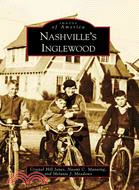
Settled north of Nashville in 1782, Inglewood began as a farming community on the Cumberland River. Early prominent citizens built many grand homes in the area, including Weakley and Riverwood, which
Built in lavish Victorian style in 1886 atop Bacon Hill, the Raymond Hotel was the most regal feature on the skyline in the San Gabriel River Valley--a sundown silhouette of the wealth and prominence
Chicago’s extensive transit system first started in 1859, when horsecars ran on rails in city streets. Cable cars and electric streetcars came next. Where new trolley car lines were built, people, bus
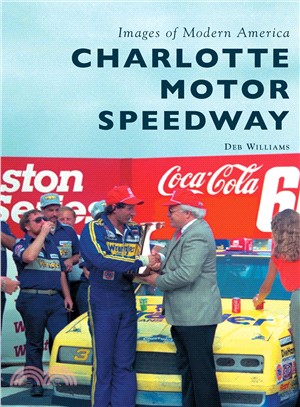
When Charlotte Motor Speedway opened in June 1960, the track built by Bruton Smith and Curtis Turner became a cornerstone in the decade that launched NASCAR’s superspeedway era. Stock car racing’s fir
In 1670, the English ship Carolina brought colonists to the west bank of the Ashley River. These settlers and their descendants built a flourishing plantation life in what became St. Andrew's Parish.
In 1778, the first sailing vessel with cargo holds, the Archange, a schooner built for prominent British trader John Askin, found "quiet waters" in Milwaukee Bay. These quiet waters and the Milwaukee,
Located in the West Ashley area of Charleston, Byrnes Downs is a charming community designed and developed by the V-Housing Corporation in the 1940s. The Long Construction Company built this successfu
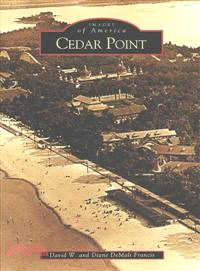
In 1870, Louis Zistel began ferrying passengers from Sandusky to the Cedar Point Peninsula's beer garden and sandy beaches. In 1888, the Grand Pavilion was built, housing a massive theatre, bowling al
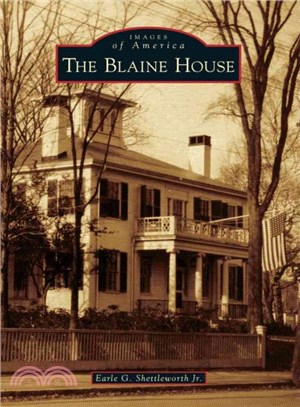
The Blaine House in Augusta is one of Maine's most notable homes. In 1862, three decades after the house was built by Capt. James Hall in the early 1830s, James and Harriet Blaine moved in. The home b
Kenneth E. Behring created Tamarac in 1963 and, through his vision, built a city with all the maintenance and recreational facilities included. The promise of the best weather, affordable single-famil
The Willowbrook Ballroom was originally built as an outdoor dance pavilion named Oh Henry Park by Austrian immigrant John Verderbar. Wildly successful, it was enlarged and fully enclosed in 1923, and
Santa Paula was built on the foundations of citrus cultivationand oil production. Ventura County’s first irrigated 100-acreorange and lemon orchard was planted at Santa Paula in 1874, and the original
Windham and Willimantic is the story of a town built on waterpower and imagination. While rivers provided power for local industries, imagination made the town a national innovator in typography, pape