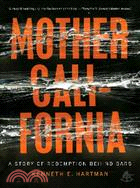
Thirty years ago, when Kenneth Hartman was nineteen, he murdered a homeless man in a Los Angeles park. Sentenced to life without parole, Hartman gradually evolved into a devoted husband, father, and
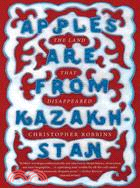
Christopher Robbins enjoyed unprecedented access to the Kazakh president while crafting this travelogue, and he relates a story by turns hilarious and grim. Observant and culturally attuned, Robbins
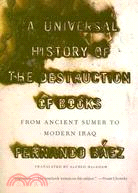
A product of ten years of research and support from leading American and European universities, A Universal History of the Destruction of Books traces a tragic story: the smashed tablets of ancient
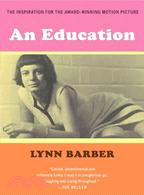
When Lynn Barber was sixteen, a stranger in a maroonsports car pulled up beside her and offered her a ride. Itwas an encounter that would change her life. Her parentswere as infatuated with "Simon"--
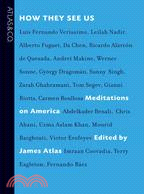
A superpower without parallel since the British Empire, the United States is a source of incessant fascination to the rest of the world. Absurdly rich, alarmingly volatile, we inspire both fear and e
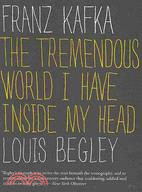
Franz Kafka is the voice of the outsider at once defined by its affiliations and completely, utterly alone. He was a Jew among Christians, a nonobservant Jew among believers. Louis Begley, himself a
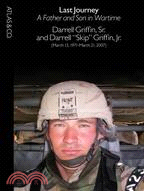
The fierce and affecting memoir of a convicted murderer, whose growing self-awareness enables him to understand his crime and achieve redemption. In 1980, Kenneth Hartman murdered a homeless man in a
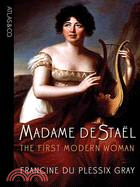
A profile of the Revolution and Napoleonic era's celebrated woman of letters discusses her upbringing in political and intellectual circles as the daughter of Louis XVI's minister of finances, her con
During four years of war in Bosnia, over 100,000 people lost their lives. But it was months, even years, before the mass graves started to yield up their dead and the process of identification, buria
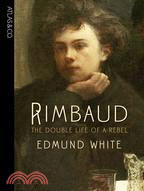
Presents an account of the life of prodigy poet Arthur Rimbaud, discusses how his short-lived writing career influenced modern performers, offers insight into his abandonment of writing, and describes
An investigation into the practice of book destruction and censorship explores such historical examples as the smashed tablets of ancient Sumer, the decimation of the Library of Alexandria, and the lo
Kafkaesque: the very word evokes tortuous bureaucracy, crushing self-doubt, and an almost unbearable inadequacy in the face of higher powers. After Kafka, it can be said, literature was not the same.
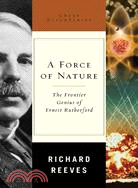
Ernest Rutherford, who grew up in colonial New Zealand and came to Cambridge on a scholarship, made numerous revolutionary discoveries, among them the orbital structure of the atom and the concep
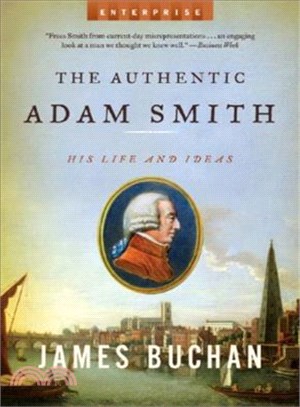
Adam Smith (1723-1790) has been adopted by neoconservatives as the ideological father of unregulated business and small government. His "invisible hand" has become a commanding shorthan
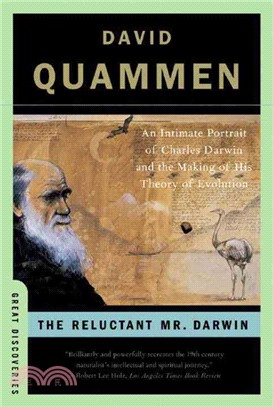
Twenty-one years passed between Charles Darwin'sepiphany that "natural selection" formed the basis of evolution and the scientist's publication of On the Origin of Species. Why did Darwin
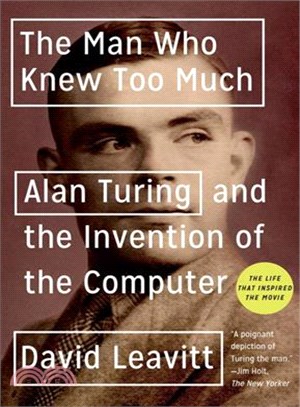
To solve one of the great mathematical problems of his day, Alan Turing proposed an imaginary computer. Then, attempting to break a Nazi code during World War II, he successfully designed and built on