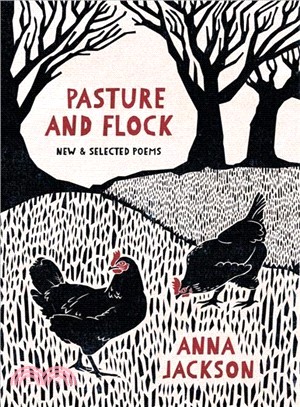
Uneasy nights out with dead Russian poets, dalliances with German gas-fitters, and emotionally fraught games of badminton are brought together for the first time in this time-spanning selection of Ann
Featuring art by a number of contemporary painters and printmakers—all of them seasoned travelers across time and space—this artistic gathering highlights the beauty of both classic and contemporary M
Journalists and presidents, hacks and spin doctors, media moguls and prime ministers: in New Zealand and around the world, politics and the media are deeply intertwined.Politics and the Media is the s
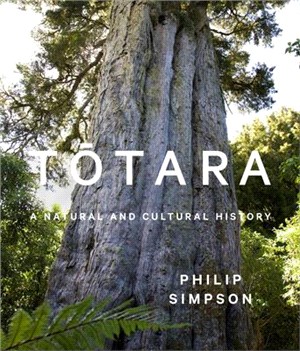
The ‘mighty totara’ is one of New Zealand's most extraordinary trees. Among the biggest and oldest trees in the New Zealand forest, the heart of Maori carving and culture, trailing no.
Every morning for the last thirty years, C. K. Stead has written fiction and poetry. Shelf Life collects the best of his afternoon work: reviews and essays, interviews and diaries, lectures and opinio
Neither an argument for nor against globalization, this book is a careful and thorough analysis of the issues of globalization and an imaginative, wide-ranging picture of the globalizing world. It aim
Sport has played a central part in the social and cultural history of Aotearoa New Zealand throughout its history. This book tells the story of sport in New Zealand for the first time, from the Maori
Amelia Batistich is well known for first chronicling the experience of non-British immigrants in New Zealand in novels and stories written from the late 1940s to the 1990s. Here she recalls her own lo
This pioneering examination of travel writing about New Zealand in the colonial period discusses a wide range of writing that helped place New Zealand on the literary map, while providing an oblique h
From 1840 to 1852, the Crown Colony period, the British attempted to impose their own law on New Zealand. In theory Maori, as subjects of the Queen, were to be ruled by British law. But in fact, outsi
'We have always owned the water . . . we have never ceded our mana over the river to anyone’, King Tuheitia Paki asserted in 2012. Prime Minister John Key disagreed: ?King Tuheitia’s claim that Maori
This revised evaluation of the New Zealand Employment Relations Act 2000 assesses the developing trends and major changes in the employment relations situation in New Zealand since the act was passed.
Examining a variety of intriguing issues, this sociological study analyzes the impact global culture has had on the flora and fauna, people, economies, languages, and cultures of the Pacific for many
Evaluating the competitiveness of New Zealand’s current economy, this authoritative analysis argues the need to switch from agriculture and tourism as the economic backbone of the country and suggests
Exploring the Pakeha New Zealanders' perspective of nature from the 1890s to the 1970s, this investigation challenges the traditional ideas of the ?bush,” asserting that the theories around this conce
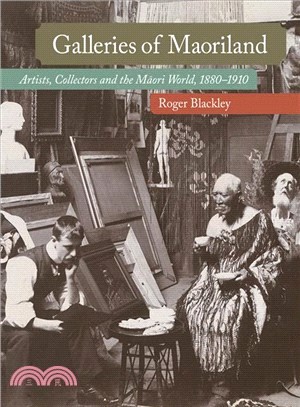
Galleries of Maoriland introduces us to the many ways in which European colonists to New Zealand discovered, created, propagated, and romanticised the Maori world summed up in a popular nickname
A sequel to?the successful books Kin of Place and The Writer at Work, this collection of critical writing takes the reader on a personal journey from the author’s earliest discovery of poetry as a you
In The Carver and the Artist Damian Skinner charts the growth and development of the new forms of Maori art that emerged from the rapid urbanisation of Maori in the mid-twentieth century. He tells th
"None of us had the faintest idea where we were going [but] during 1938–39 . . . the town [Christchurch] was made strangely interesting for anyone like myself, [with the] scattered arrival
They left their Southern Lands, They sailed across the sea; They fought the Hun, they fought the Turk For truth and liberty. Now Anzac Day has come to stay, And bring us sacred joy; Though wooden cros
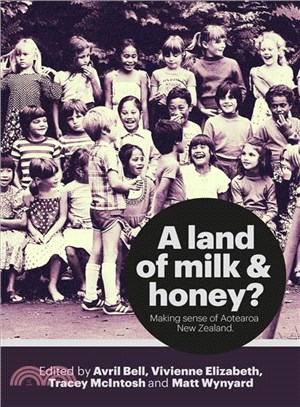
Since colonization, New Zealand has been mythologized as a ‘land of milk and honey’– a promised land of natural abundance and endless opportunity. In the twenty-first century, the country has become l
This account of the New Zealand department store with its photographs will revive many memories, raise some smiles and remind us of the role of a cultural icon which was also a dominant player in the
In 1893 the women of southern Dunedin supported the campaign for female suffrage far more vigorously than women in any other city in the country. Change was in the air. In southern Dunedin as in most
Photography was invented in France in 1839 – the year before the Treaty of Waitangi was signed in New Zealand. Within a few years, cameras were charting the life and times of people at this end of the
After the battle of Orakau in 1864 and the end of the war in the Waikato, Tawhiao, the second Maori King, and his supporters were forced into an armed isolation in the Rohe Potae, the King Country. Fo
Evidence from several disciplines, including anthropology, archaeology, demography, history, and the Maori oral tradition, are?combined in this analysis of the many volcanic periods that shaped New Ze
Can you save the planet and have some fun along the way? Aimed at the teacher who updates students on the latest climate change negotiations, the conservationist who works to protect endangered specie