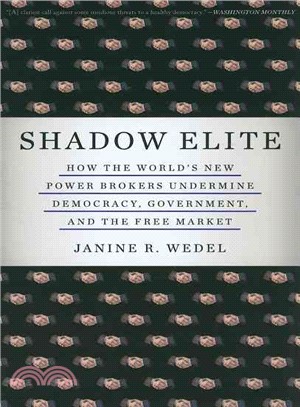
It can feel like we're swimming in a sea of corruption, confused by who exactly is in charge and what role they play. The same influential people reappear time after time in different professional gu
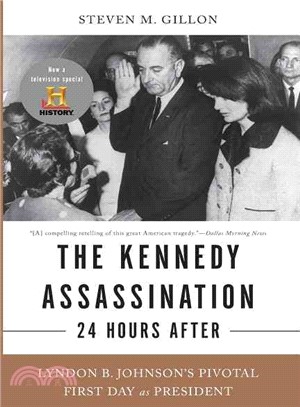
On November 22, 1963, Vice President Lyndon B. Johnson faced one of the most painful and tragic events in American history?the assassination of John F. Kennedy. In that moment of chaos, with a nation
The Romans regarded her as “fatale monstrum”—a fatal omen. Pascal said the shape of her nose changed the history of the world. Shakespeare portrayed her as an icon of tragic love. B
Sheds light on the roles of John Foster Dulles, John F. Kennedy, Adlai Stevenson, Nelson Rockefeller, Harry Truman, Secretary of State Edward Stettinius, and E. B. White in a fascinating account of th
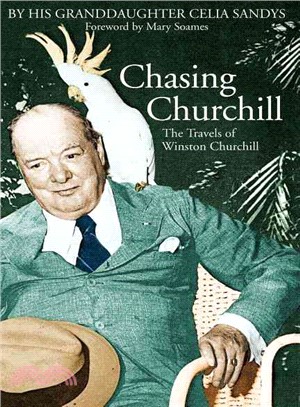
Sir Winston Churchill was a well-traveled man. By the time he was twenty-five, his thirst for adventure had taken him to Cuba, India's North-West frontier, the Sudan, and South Africa, as well as to b
Writing in the tradition of W. E. B. Du Bois, Cornel West, and others who confronted the "color line" of the twentieth century, journalist, scholar, and activist Frank H. Wu offers a unique perspecti
When Charles Darwin landed on the Galapagos Islands in 1835, he was the first to recognize that their isolation and desolation were advantages for a naturalist: Here the workings of nature are laid b
The author believes two approaches are currently used in defining the economic policy of a nation: a Rhine model which emphasizes collective achievement and public consensus, and a supply-side model b
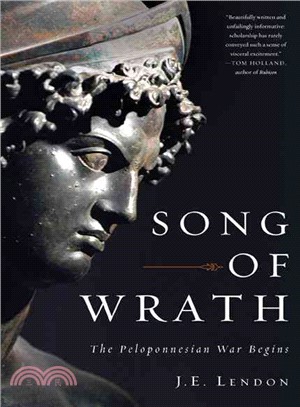
Offers a thrilling account of the first stage of the Peloponnesian War, also known as the Ten Years' War, between the city-states of Athens and Sparta, detailing the pitched battles by land and sea, s