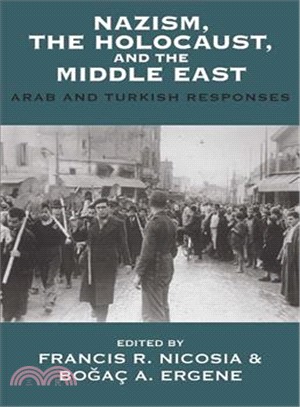
Given their geographical separation from Europe, ethno-religious and cultural diversity, and subordinate status within the Nazi racial hierarchy, Middle Eastern societies were both hospitable as well
The period of the baroque (late sixteenth to mid-eighteenth centuries) saw extensive reconfiguration of European cities and their public spaces. Yet, this transformation cannot be limited merely to s
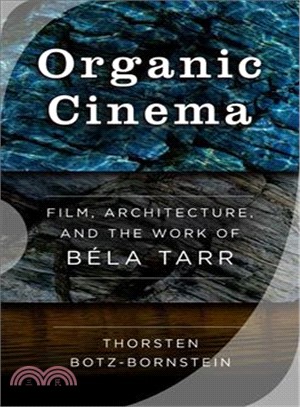
The "organic" is by now a venerable concept within aesthetics, architecture, and art history, but what might such a term mean within the spatialities and temporalities of film? By way of an answer, th
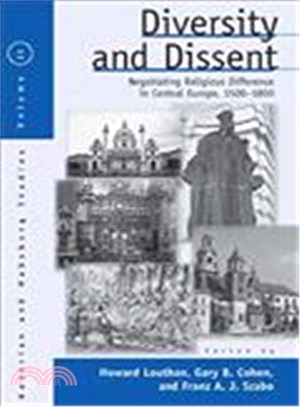
Early modern Central Europe was the continent's most decentralized region politically and its most diverse ethnically and culturally. With the onset of the Reformation, it also became Europe's most re
A sea change has occurred in the Indian economy in the last three decades, spurring the desire to learn English. Most scholars and media venues have focused on English exclusively for its ties to proc
Exploring the gray zone of infiltration and subversion in which the Nazi and Communist parties sought to influence and undermine each other, this book offers a fresh perspective on the relationship b
In the 1960s, Israel began a policy of resettling the nomadic Bedouin of the Negev Desert into towns, making it easier for the government to provide health, education, and other government services. B