Every day, students across the globe learn the skills and knowledge needed to live and work in their communities. The dedicated individuals who provide them with these skills and knowledge are teacher
"Simple text and full-color photography introduce beginning readers to the sense of hearing. Developed by literacy experts for students in kindergarten through third grade"--
The largest human organ is skin! Every inch of skin is made up of millions of tiny receptors that allow us to feel the world around us. Each type of receptor has a job. Some tell us the texture of obj
As they patrol streets and neighborhoods, police officers enforce laws and stop crime. They make communities safer! Being a police officer requires leadership skills and the ability to make good decis
These unique insects get their name from the position in which they hold their front legs together. These legs are also “preying” as they shoot out and grab insects for the mantis to eat. Students wil
Coral reefs are home to thousands of living species, including some of the most vibrant plants and animals on the planet. Many reef inhabitants help each other survive. Sea anemones, for example, prov
Scientists believe more than half of Earth’s plants and animals reside in tropical rain forests. Many species have yet to be discovered! These wet, humid forests are found near the equator, where it’s
Grasslands vary around the globe and are home to many life forms, including big cats and grazing animals. These sprawling fields are found on every single continent except Antarctica. Tropical savanna
Born on the prairie, Laura Ingalls Wilder was a true pioneer. She devoted much of her life to helping others in the classroom and on the farm. Travel the Midwest with the author in this informational
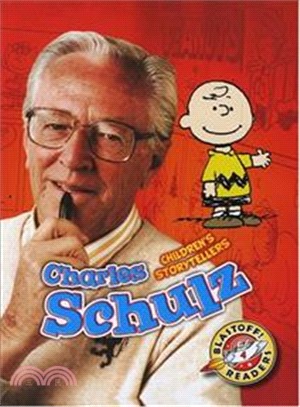
This Minnesota native was an artist from the start. Charles Schulz started getting recognized for his talent as a kindergartner! Soon after, his dedication to the Peanut gang became his biggest asset.
The creator of the Diary of a Wimpy Kid series skyrocketed to success with this hit series. Also popular for his creation of online gaming, Kinney keeps his followers eager for more. Reluctant readers
Starting at the age of six, J.K. Rowling knew she wanted to be an author. Her eventual creation of Harry Potter and Hogwarts School of Witchcraft and Wizardry sent Rowling into immediate fame. Grab a
How many pennies go into a quarter? How many quarters make up a dollar? Math skills go a long way when trying to count money. Learn how math and money go together in this title for young counters.
Known for writing Where the Sidewalk Ends and The Giving Tree, Shel Silverstein wrote stories, poetry, and even music. Silverstein was a busy man, offering soundtracks to motion pictures and creating
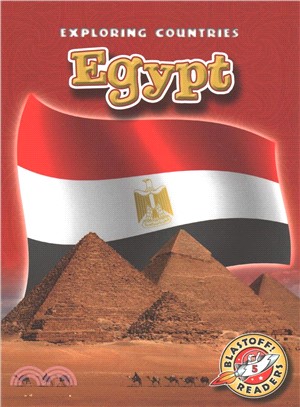
Egypt is one of the oldest countries in the world. People love to visit the ancient pyramids outside of Cairo, the capital of Egypt. Thousands of years ago, pharaohs ruled Egypt, and people mummified
Take a trip to “The Land Down Under” and discover all of the unusual wildlife inhabiting the Outback! There are kangaroos, wild dogs called dingoes, and nearly 700 types of birds in Australia. This ti
America’s northern neighbor, Canada, is similar to the United States in many ways but also very different. Kids will learn about Canada’s diverse wildlife as well as some of its biggest cities such as
With reflective clouds, Venus appears to be the brightest planet in the night sky. Young students will read about the discovery of Venus, its harsh environment, and the ways it has been explored.
Because of strong herding instincts, Collies often try to round up animals and people. The movie “Lassie Come Home” featured one of these dependable dogs and made Collies popular pets. Young children
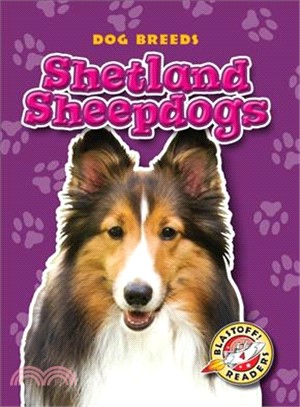
Shetland Sheepdogs were first used to herd animals on farms in the Shetland Islands. Today, these dogs make great guard dogs, therapy dogs, and companion dogs. Students will learn about the many roles
The sun radiates light, heat, and energy at the center of the solar system. Eager students will explore how the sun works and its relationship to Earth and the other planets.
Neptune is the farthest planet from the sun. It takes 165 Earth years to complete a single orbit! Young students will learn about the discovery of Neptune, its moons, and the information gathered by V
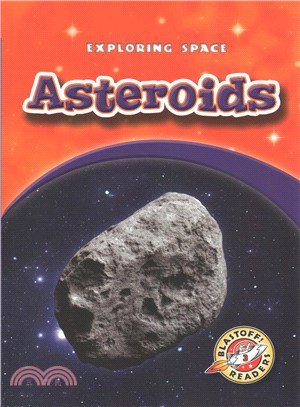
There are millions of asteroids in the solar system. They range in size from less than 1 mile to 584 miles across! Students will discover how asteroids form, where they are located in the solar system
People must go through difficult training to become astronauts. Kids will learn how astronauts prepare for life in space, complete their missions, and survive above the atmosphere.
A squid has two gigantic eyes to see in dark places, eights arms for holding food, and a funnel for swimming! Young readers will get sucked in as they discover how squids eat, swim, and escape predato
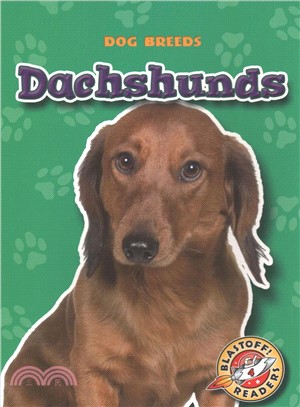
With short legs and a slow speed, it’s hard to imagine this short-legged breed was ever used for hunting. Students will explore the original purpose of the Dachshund, the physical characteristics of t
Boxers are an alert, agile, and strong breed of dog. This makes them excellent guard dogs. Follow the history of the boxer breed from its development in Germany to its modern popularity as a family pe
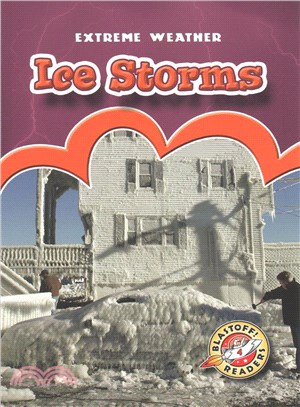
Roads become slick when freezing rain falls. Drivers can easily lose control of their vehicles and crash into each other. This book introduces children to unpredictable ice storms by explaining their
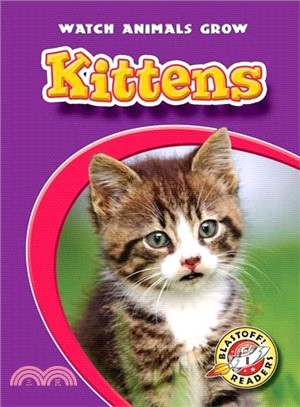
After birth, it takes a kitten between seven and ten days to open its eyes. Soon after this, kittens develop quickly into very playful animals. Eager readers will see what kittens eat and how they pla
Did you know that a duck’s feathers are waterproof? From waddling ducklings to flying adults, eager students will discover how these cute birds develop.
Your nose can smell thousands of different scents. Your nose works with your brain to accomplish the important act of smelling. Learn how smells make your food taste better, bring back memories, and e
People get energy from food and use energy to exercise. This book teaches young readers about chemical and kinetic energy and explains how electricity and fossil fuels are energy sources.
Airplanes come in all shapes and sizes, from small to jumbo. Some airplanes can fly as fast as 2,000 miles per hour. Take a first look at the parts of an airplane, and hold on tight for take off!
Spinning the dreidel. This is what many Jewish children most look forward to during Haunukkah. A twirl of the four-sided dice-like top can earn a candy jackpot! Young readers will learn how to play th
Nearly as large as a school bus, humpback whales are a sight to see! Near the surface, these giants will come up to breathe from their blowholes. They migrate to find food and may hunt in groups. Sinc
Shaped like torpedoes, Great white sharks can launch out of the water to catch prey. Named after their white bellies, these sharks easily blend in with the sun when seen from below. In addition to the
Earth’s highest and lowest surface points can be found in Asia, the largest continent. Travelers flock to Asia to gaze upon the Great Wall and the Taj Mahal. Some even aspire to climb Mount Everest! P
Great-horned owls earn their nickname “tiger in the sky.” These fierce hunters use stealth to surprise all kinds of prey. They are even the only animals to regularly hunt skunks! Swoop into this excit
How do we breathe and why do we need oxygen? Your lungs work hard to keep oxygen flowing through your blood. This book explains how the respiratory system functions to take in the air we need to live.
You could say the best is saved for last when it comes to Chinese New Year. The Lantern Festival stands as the holiday’s grand finale. Dragon and lion puppets dance by day. At night, glowing lanterns