People get energy from food and use energy to exercise. This book teaches young readers about chemical and kinetic energy and explains how electricity and fossil fuels are energy sources.
Underwater earthquakes, volcanoes, and mudslides can cause tsunami waves that reach land and wreak havoc. Children will learn how tsunamis develop, how they are detected, and their devastating impact
As they patrol streets and neighborhoods, police officers enforce laws and stop crime. They make communities safer! Being a police officer requires leadership skills and the ability to make good decis
Known for writing Where the Sidewalk Ends and The Giving Tree, Shel Silverstein wrote stories, poetry, and even music. Silverstein was a busy man, offering soundtracks to motion pictures and creating
The sun radiates light, heat, and energy at the center of the solar system. Eager students will explore how the sun works and its relationship to Earth and the other planets.
Did you know not all clouds are white? Green clouds can form and signal severe storms and tornadoes. Beginning readers will discover the different types of clouds and how they form.
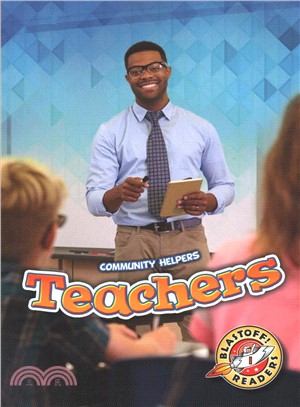
Every day, students across the globe learn the skills and knowledge needed to live and work in their communities. The dedicated individuals who provide them with these skills and knowledge are teacher
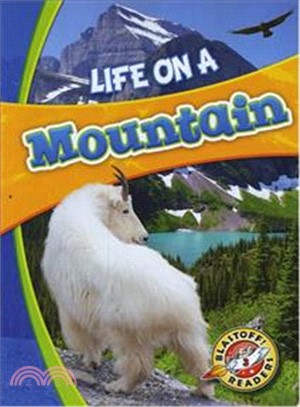
Chinchillas, pikas, and goats can all be found on mountains, climbing and scurrying around large boulders and steep slopes. Mountains not only provide homes for many living things, but they also affec
Moscow’s Red Square is a center of Russian history and culture. This book explores the physical and cultural geography of Russia, showing the reader what daily life is like in Russia and how Russians
Take cover—a tornado is coming! This book teaches young readers storm safety tips as it explains how twisters form, behave, and are tracked and predicted.
Astronauts live and work on space stations that orbit Earth. Young readers will read about space station parts, the first space stations, and the International Space Station.
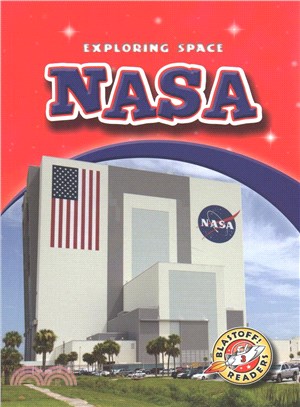
The United States accelerated the space race in 1958 by forming NASA. Eager readers will learn about the history of NASA and its many manned and unmanned missions.
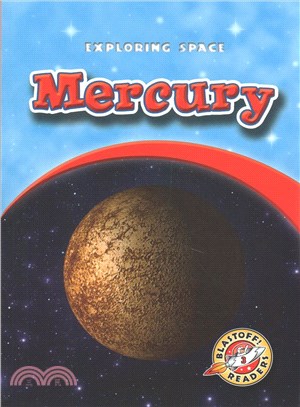
The planet Mercury has highs around 800 °F and lows around -280 °F. Students will learn about Mercury’s discovery, physical characteristics, and the environment that supports these extreme temperature
Space shuttles bring astronauts into and out of space. Children will learn about the history of space shuttles, the advanced technology aboard, and how these vehicles perform their missions.
Grasslands vary around the globe and are home to many life forms, including big cats and grazing animals. These sprawling fields are found on every single continent except Antarctica. Tropical savanna
For five days every fall, India shines especially bright. The occasion is Diwali, the country’s Festival of Lights. Clay lamps, fireworks and sparklers, and colorful rangoli sand art all add visual br
Because of strong herding instincts, Collies often try to round up animals and people. The movie “Lassie Come Home” featured one of these dependable dogs and made Collies popular pets. Young children
Hurricane winds spin around a central point called an eye. A hurricane’s eye usually has calm weather and clear skies. Eager readers will discover how hurricanes form, move, and damage tropical areas.
Doctors are important members of the community. People come to them to seek help for illnesses and injuries. Doctors carefully decide how to treat patients. They listen to people and find ways to help
Barren land, little rainfall, and deadly temperatures are well-known features of deserts. But did you know that many desert plants have long root systems that grow in search of water? Plants and anima
Bogs, swamps, and marshes are all different types of wetlands. Many plants and animals rely on this biome for reproduction, safety, or simply a drink of water. Some need to adapt to this environment,
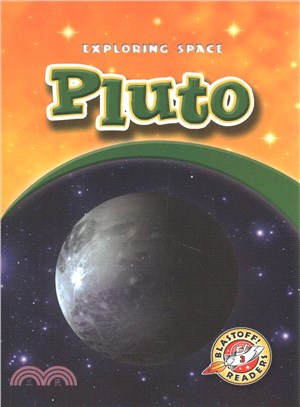
Pluto is a dwarf planet with three known moons—Hydra, Nix, and Charon. Children will explore Pluto’s physical features, its position in the solar system, and why it is no longer considered a planet.
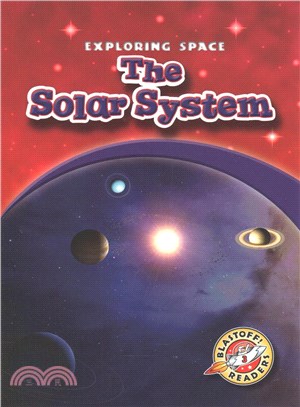
The solar system is made up of planets, moons, asteroids, comets, meteoroids, and more. Young readers will learn about the bodies that make up the solar system and how they interact with each other.
From taking x-rays to fixing cavities, dentists work hard to help people smile. They teach about proper tooth and gum care, ease pain, and straighten teeth. This title about dentists will help young r
Starting at the age of six, J.K. Rowling knew she wanted to be an author. Her eventual creation of Harry Potter and Hogwarts School of Witchcraft and Wizardry sent Rowling into immediate fame. Grab a
Take a trip to “The Land Down Under” and discover all of the unusual wildlife inhabiting the Outback! There are kangaroos, wild dogs called dingoes, and nearly 700 types of birds in Australia. This ti
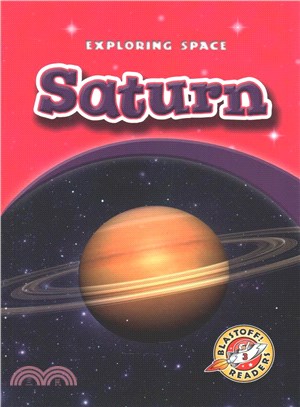
Saturn has the largest and most complex ring system of any planet in the solar system. Young learners will read about Saturn’s discovery, its physical traits, and how the sixth planet in the solar sys
There’s smoke coming from a building and sirens blaring in the distance. A fire truck is coming to the rescue! Tour a fire truck and all the different equipment from hoses to ladders that firefighters
Offering a stark contrast to hot, sandy deserts and tropical rain forests, the tundra is buried in snow and ice most of the year. However, life finds a way to flourish. During the short summer, flower
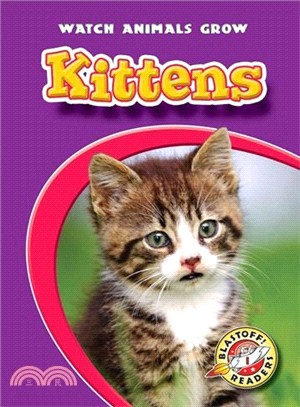
After birth, it takes a kitten between seven and ten days to open its eyes. Soon after this, kittens develop quickly into very playful animals. Eager readers will see what kittens eat and how they pla
A squid has two gigantic eyes to see in dark places, eights arms for holding food, and a funnel for swimming! Young readers will get sucked in as they discover how squids eat, swim, and escape predato
Rain or shine, it is the duty of mail carriers to pick up and deliver letters, packages, and more. Mail carriers are often seen driving down streets in small trucks or hauling full mail from door to d
Airplanes come in all shapes and sizes, from small to jumbo. Some airplanes can fly as fast as 2,000 miles per hour. Take a first look at the parts of an airplane, and hold on tight for take off!
"Simple text and full-color photography introduce beginning readers to gravity. Developed by literacy experts for students in kindergarten through third grade"--
"Simple text and full-color photography introduce beginning readers to magnetism. Developed by literacy experts for students in kindergarten through third grade"--
"Simple text and full-color photography introduce beginning readers to sound. Developed by literacy experts for students in kindergarten through third grade"--
"Simple text and full-color photography introduce beginning readers to temperature. Developed by literacy experts for students in kindergarten through third grade"--
"Simple text and full-color photography introduce beginning readers to light. Developed by literacy experts for students in kindergarten through third grade"--
"Simple text and full-color photography introduce beginning readers to electricity. Developed by literacy experts for students in kindergarten through third grade"--
"Simple text and full-color photography introduce beginning readers to energy. Developed by literacy experts for students in kindergarten through third grade"--