"Simple text and full-color photography introduce beginning readers to matter. Developed by literacy experts for students in kindergarten through third grade"--
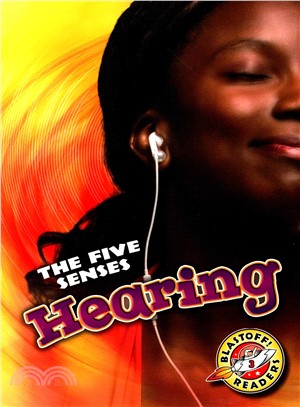
"Simple text and full-color photography introduce beginning readers to the sense of hearing. Developed by literacy experts for students in kindergarten through third grade"--
"Developed by literacy experts for students in kindergarten through grade three, this book introduces the bald eagle to young readers through leveled text and related photos"--
"Developed by literacy experts for students in kindergarten through grade three, this book introduces the Liberty Bell to young readers through leveled text and related photos"--
"Developed by literacy experts for students in kindergarten through grade three, this book introduces the United States Constitution to young readers through leveled text and related photos"--
"Developed by literacy experts for students in kindergarten through grade three, this book introduces the Pledge of Allegiance to young readers through leveled text and related photos"--
"Developed by literacy experts for students in kindergarten through grade three, this book introduces the Star-Spangled Banner to young readers through leveled text and related photos"--
"Developed by literacy experts for students in kindergarten through grade three, this book introduces the United States flag to young readers through leveled text and related photos"--
People must go through difficult training to become astronauts. Kids will learn how astronauts prepare for life in space, complete their missions, and survive above the atmosphere.
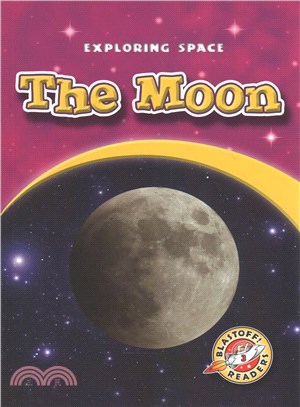
The moon is the largest object in the night sky. Young readers will learn about the moon’s phases, surface, and how humans have explored our closest space neighbor.
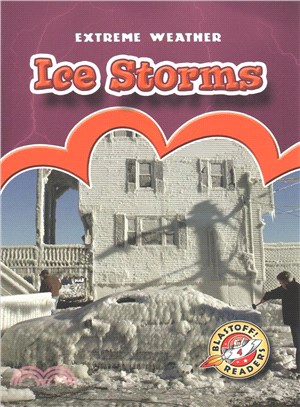
Roads become slick when freezing rain falls. Drivers can easily lose control of their vehicles and crash into each other. This book introduces children to unpredictable ice storms by explaining their
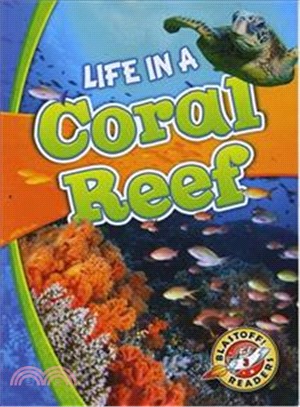
Coral reefs are home to thousands of living species, including some of the most vibrant plants and animals on the planet. Many reef inhabitants help each other survive. Sea anemones, for example, prov
For millions of years, forests have hosted complex life forms. Trees reach toward the sun as creatures of all shapes and sizes interact with their environment. Birds nestle on sturdy branches while no
Scientists believe more than half of Earth’s plants and animals reside in tropical rain forests. Many species have yet to be discovered! These wet, humid forests are found near the equator, where it’s
Much of our understanding of ancient plants and animals comes from the fossil record. Big or small, fossils offer images of life on Earth from billions of years ago! Young paleontologists will solidif
Sticking out into the Mediterranean Sea, Italy has some of the nicest weather in Europe. It is famous for its art, architecture, and cuisine. Readers will discover the physical geography of Italy thro
Mexico has almost 6,000 miles of coastline. It borders both the Atlantic and the Pacific Oceans. Readers will discover the diverse physical features of Mexico, the variety of wildlife it boasts on lan
West Highland White Terriers are friendly, fun-loving dogs with shiny, white coats. Once used for hunting, these dogs enjoy running in open spaces, chasing animals, and digging holes in the ground. Ch
With reflective clouds, Venus appears to be the brightest planet in the night sky. Young students will read about the discovery of Venus, its harsh environment, and the ways it has been explored.
Shetland Sheepdogs were first used to herd animals on farms in the Shetland Islands. Today, these dogs make great guard dogs, therapy dogs, and companion dogs. Students will learn about the many roles
Earth is the only planet in the solar system known to support life. Children will explore our home’s water, atmosphere, and the diverse land features that make Earth a beautiful place to live!
The Midwestern United States was nicknamed “The Dust Bowl” in the 1930s because years of drought devastated the region. This book teaches why droughts happen, how they affect living things, and the im
Severe weather can happen over land or water. With varying degrees of severity, it’s important to be aware! Knowing when to take cover and retreat to shelter can keep you safe during dangerous conditi
He created smiles that went on for miles by spending his time writing endless rhymes. Dr. Seuss has produced many American classics, including The Cat in the Hat, How the Grinch Stole Christmas!, and
Egypt is one of the oldest countries in the world. People love to visit the ancient pyramids outside of Cairo, the capital of Egypt. Thousands of years ago, pharaohs ruled Egypt, and people mummified
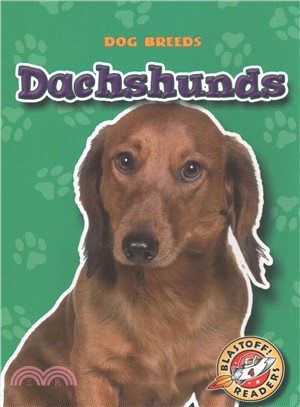
With short legs and a slow speed, it’s hard to imagine this short-legged breed was ever used for hunting. Students will explore the original purpose of the Dachshund, the physical characteristics of t
Winter winds blow snow at 35 miles per hour or more for at least three hours during a blizzard! Young readers will learn how blizzards form and why blizzard conditions temporarily shut down communitie
Your nose can smell thousands of different scents. Your nose works with your brain to accomplish the important act of smelling. Learn how smells make your food taste better, bring back memories, and e
Firefighters are brave in the face of danger. They must be strong and alert to get their work done. Firefighters rush into action to put out fires. They search burning buildings to make sure everyone
Did you know that Iraq was home to the oldest known human civilization on Earth? This area used to be known as Mesopotamia, and many different ancient peoples lived there. Readers will learn about dai
Jupiter is the largest planet in the solar system. It is known for its giant spinning storm called the Great Red Spot. Young students will learn all about Jupiter’s discovery, storms, moons, and how t
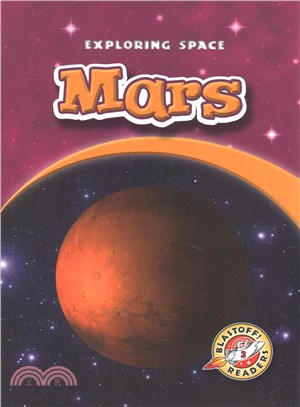
Mars is known as the red, rocky planet. It has many volcanoes, including the solar system’s largest one. Eager readers will learn about the physical features of Mars and its place in the solar system.
Neptune is the farthest planet from the sun. It takes 165 Earth years to complete a single orbit! Young students will learn about the discovery of Neptune, its moons, and the information gathered by V
These unique insects get their name from the position in which they hold their front legs together. These legs are also “preying” as they shoot out and grab insects for the mantis to eat. Students wil
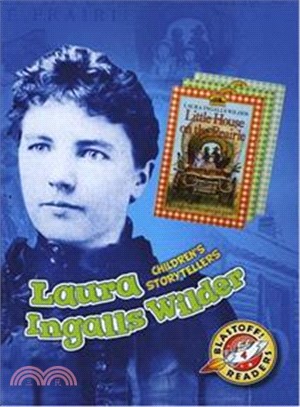
Born on the prairie, Laura Ingalls Wilder was a true pioneer. She devoted much of her life to helping others in the classroom and on the farm. Travel the Midwest with the author in this informational
Buying things can be fun, but first you’ve got to earn them! Hard work and a good job will help you earn money. Discover the different ways to earn money in this title for responsible readers.
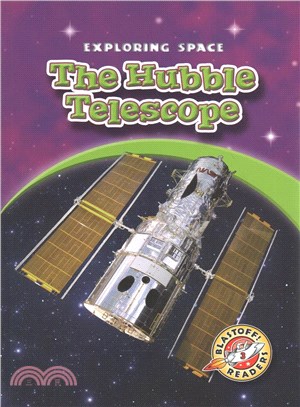
The Hubble Telescope travels at 17,500 miles per hour to capture fascinating images of space. Young learners will read about the creation of the Hubble Telescope and the ways we use it to learn more a
Boxers are an alert, agile, and strong breed of dog. This makes them excellent guard dogs. Follow the history of the boxer breed from its development in Germany to its modern popularity as a family pe
The planet Uranus has a bright blue-green color because of methane gas in its atmosphere. Young children will learn about the discovery of Uranus, how it has been explored, and why it is tilted on its