Between 1660 and 1841, some 149 "corporations of the poor" were created in England through local acts. By uniting a number of parishes, these "corporations" hoped to deal more effe
"The highest and most sovereign things a knight ought to guard in defence of his estate are his troth and his arms." So declared Richard, Lord Scrope of Bolton, before the Court of Chivalry,
From as early as the first century AD, learned Romans knew of more than one group of people living in north-western Europe beyond their Empire's Gallic provinces whose names contained the element that
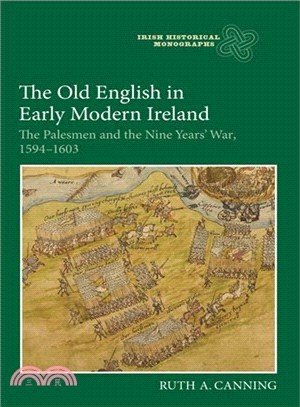
Descendants of Ireland's Anglo-Norman conquerors, the Old English had upheld the authority of the English crown in Ireland for four centuries. Yet the sixteenth century witnessed the demotion of this
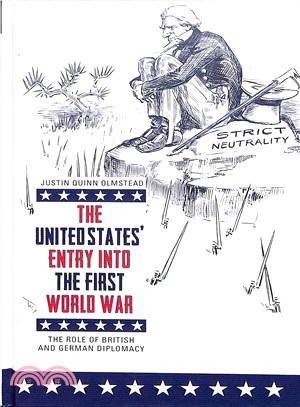
The complicated situation which led to the American entry into the First World War in 1917 is often explained from the perspective of public opinion, US domestic politics, or financial and economic op
Traditional accounts of early modern Ireland have traced the seemingly inevitable decline of the Catholic landed interest following the Cromwellian and Williamite wars of the seventeenth century, port
The Temples of Stowe were a leading Midland landed family, owning land in, and with strong connections to, Buckinghamshire, Leicestershire, Northamptonshire, Oxfordshire and Warwickshire. In the seven
The Yorkshire heiress, Lucy de Thweng, was married as a child to her first husband but later divorced him, entered into an adulterous relationship with another man, was forced into marriage to a secon
British music and musical life before the Great War have been relatively neglected in discussions of the idea of the 'modern' in the early twentieth century. This collection of almost 300 letters, wri
In 1345 Henry of Lancaster, earl of Derby - the most prominent soldier, diplomat and statesman of his generation - led an English royal army to the duchy of Aquitaine and inflicted two devastating def
Alexander Neville (1544-1614) was an English humanist, author, poet and translator. His skill as a Latinist brought him to the attention of Matthew Parker, Elizabeth I's first Archbishop of Canterbury
Since the sixteenth century, the governments and established churches of the British Isles have summoned the nation to special acts of public worship during periods of anxiety and crisis, at times of
The later middle ages saw provincial towns and their civic community contending with a number of economic, social and religious problems - including famine and the plague. This book, using Lincoln - t
Papers here have as a general theme the "Norman Age", with a special slant towards the Mediterranean world. Subjects treated include the policies of the Norman rulers, their military and naval organis